0
0
0
Thirty-Two Hour Workweek Act
12/31/2022, 5:04 AM
Summary of Bill HR 4728
Bill 117 HR 4728, also known as the Thirty-Two Hour Workweek Act, is a piece of legislation introduced in the US Congress. The main goal of this bill is to reduce the standard workweek from 40 hours to 32 hours for all employees in the United States.
The bill proposes that employers must adjust their employees' schedules to ensure that they are not required to work more than 32 hours in a week. This would apply to both full-time and part-time employees, with the aim of promoting a better work-life balance and reducing the risk of burnout.
Supporters of the bill argue that a shorter workweek would lead to increased productivity, as employees would be more rested and focused during their working hours. They also believe that it would create more job opportunities, as companies would need to hire additional staff to make up for the reduced hours worked by each employee. Opponents of the bill, however, argue that a shorter workweek could lead to decreased earnings for employees, as they would be working fewer hours. They also raise concerns about the potential impact on businesses, particularly small businesses, which may struggle to adjust to the new regulations. Overall, the Thirty-Two Hour Workweek Act is a controversial piece of legislation that has sparked debate among lawmakers, businesses, and workers. Its fate in Congress remains uncertain as stakeholders continue to weigh the potential benefits and drawbacks of a shorter standard workweek.
The bill proposes that employers must adjust their employees' schedules to ensure that they are not required to work more than 32 hours in a week. This would apply to both full-time and part-time employees, with the aim of promoting a better work-life balance and reducing the risk of burnout.
Supporters of the bill argue that a shorter workweek would lead to increased productivity, as employees would be more rested and focused during their working hours. They also believe that it would create more job opportunities, as companies would need to hire additional staff to make up for the reduced hours worked by each employee. Opponents of the bill, however, argue that a shorter workweek could lead to decreased earnings for employees, as they would be working fewer hours. They also raise concerns about the potential impact on businesses, particularly small businesses, which may struggle to adjust to the new regulations. Overall, the Thirty-Two Hour Workweek Act is a controversial piece of legislation that has sparked debate among lawmakers, businesses, and workers. Its fate in Congress remains uncertain as stakeholders continue to weigh the potential benefits and drawbacks of a shorter standard workweek.
Congressional Summary of HR 4728
Thirty-Two Hour Workweek Act
This bill shortens the standard workweek under federal law from 40 hours to 32 hours over a three-year phase in period. It also requires specified overtime pay for workdays longer than eight hours.
Read the Full Bill
Current Status of Bill HR 4728
Bill HR 4728 is currently in the status of Bill Introduced since July 27, 2021. Bill HR 4728 was introduced during Congress 117 and was introduced to the House on July 27, 2021. Bill HR 4728's most recent activity was Referred to the House Committee on Education and Labor. as of July 27, 2021
Bipartisan Support of Bill HR 4728
Total Number of Sponsors
1Democrat Sponsors
1Republican Sponsors
0Unaffiliated Sponsors
0Total Number of Cosponsors
34Democrat Cosponsors
34Republican Cosponsors
0Unaffiliated Cosponsors
0Policy Area and Potential Impact of Bill HR 4728
Primary Policy Focus
Labor and EmploymentAlternate Title(s) of Bill HR 4728
To amend the Fair Labor Standards Act of 1938 to reduce the standard workweek from 40 hours per week to 32 hours per week, and for other purposes.
Thirty-Two Hour Workweek Act
Thirty-Two Hour Workweek Act
Comments
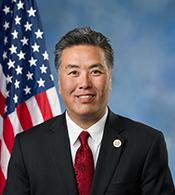
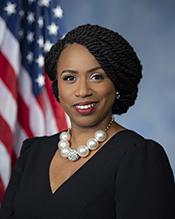
Sponsors and Cosponsors of HR 4728




Latest Bills
National Defense Authorization Act for Fiscal Year 2026
Bill S 1071December 13, 2025
Enduring Justice for Victims of Trafficking Act
Bill S 2584December 13, 2025
Technical Corrections to the Northwestern New Mexico Rural Water Projects Act, Taos Pueblo Indian Water Rights Settlement Act, and Aamodt Litigation Settlement Act
Bill S 640December 13, 2025
Incentivizing New Ventures and Economic Strength Through Capital Formation Act of 2025
Bill HR 3383December 13, 2025
BOWOW Act of 2025
Bill HR 4638December 13, 2025
Northern Mariana Islands Small Business Access Act
Bill HR 3496December 13, 2025
Wildfire Risk Evaluation Act
Bill HR 3924December 13, 2025
Energy Choice Act
Bill HR 3699December 13, 2025
ESTUARIES Act
Bill HR 3962December 13, 2025
Improving Interagency Coordination for Pipeline Reviews Act
Bill HR 3668December 13, 2025