0
0
0
Clean Economy Act of 2020
2/8/2022, 11:22 PM
Congressional Summary of S 3269
Clean Economy Act of 2020
This bill requires the Environmental Protection Agency to adopt and implement a plan to reduce greenhouse gas emissions from the United States with the goal of net zero emissions by 2050.
Read the Full Bill
Current Status of Bill S 3269
Bill S 3269 is currently in the status of Bill Introduced since February 11, 2020. Bill S 3269 was introduced during Congress 116 and was introduced to the Senate on February 11, 2020. Bill S 3269's most recent activity was Read twice and referred to the Committee on Environment and Public Works. as of February 11, 2020
Bipartisan Support of Bill S 3269
Total Number of Sponsors
1Democrat Sponsors
1Republican Sponsors
0Unaffiliated Sponsors
0Total Number of Cosponsors
33Democrat Cosponsors
32Republican Cosponsors
0Unaffiliated Cosponsors
1Policy Area and Potential Impact of Bill S 3269
Primary Policy Focus
Environmental ProtectionPotential Impact Areas
- Administrative law and regulatory procedures
- Agricultural conservation and pollution
- Agricultural practices and innovations
- Air quality
- Building construction
- Climate change and greenhouse gases
- Competitiveness, trade promotion, trade deficits
- Ecology
- Electric power generation and transmission
- Employment and training programs
- Energy efficiency and conservation
- Environmental Protection Agency (EPA)
- Environmental assessment, monitoring, research
- Environmental health
- Environmental regulatory procedures
- Environmental technology
- Farmland
- Forests, forestry, trees
- Industrial facilities
- Labor standards
- Labor-management relations
- Minority education
- Minority employment
- Public contracts and procurement
- Racial and ethnic relations
- Research and development
- Unemployment
- Wages and earnings
- Worker safety and health
Alternate Title(s) of Bill S 3269
Clean Economy Act of 2020
Clean Economy Act of 2020
A bill to set and meet a national goal of net-zero greenhouse gas emissions by not later than 2050, and for other purposes.
Comments
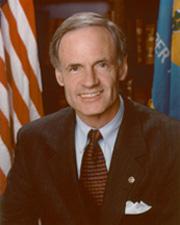
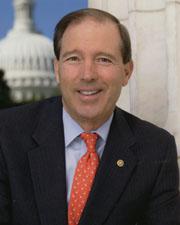
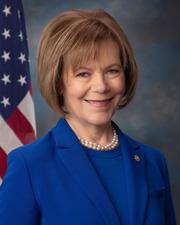
Sponsors and Cosponsors of S 3269



Latest Bills
ESTUARIES Act
Bill HR 3962December 13, 2025
Federal Maritime Commission Reauthorization Act of 2025
Bill HR 4183December 13, 2025
National Defense Authorization Act for Fiscal Year 2026
Bill S 1071December 13, 2025
Enduring Justice for Victims of Trafficking Act
Bill S 2584December 13, 2025
Technical Corrections to the Northwestern New Mexico Rural Water Projects Act, Taos Pueblo Indian Water Rights Settlement Act, and Aamodt Litigation Settlement Act
Bill S 640December 13, 2025
Incentivizing New Ventures and Economic Strength Through Capital Formation Act of 2025
Bill HR 3383December 13, 2025
BOWOW Act of 2025
Bill HR 4638December 13, 2025
Northern Mariana Islands Small Business Access Act
Bill HR 3496December 13, 2025
Wildfire Risk Evaluation Act
Bill HR 3924December 13, 2025
Energy Choice Act
Bill HR 3699December 13, 2025