0
0
0
Recognizing that the United States has a moral obligation to meet its foundational promise of guaranteed justice for all.
11/1/2022, 5:17 AM
Congressional Summary of HRES 702
This resolution expresses the sense of the House of Representatives that the federal government should begin a large-scale effort to reduce incarceration rates and reshape the American legal system by
- consulting with communities and individuals directly impacted by the justice system;
- decriminalizing certain behaviors, increasing diversion opportunities, revising sentencing laws, and reducing practices that contribute to recidivism;
- ending practices that advantage the wealthy and prohibiting private companies from profiting from the criminal justice system; and
- ending militarized policing practices, investing in other safety services, and implementing policies that address the needs of communities most affected by high rates of incarceration.
Read the Full Bill
Current Status of Bill HRES 702
Bill HRES 702 is currently in the status of Bill Introduced since November 14, 2019. Bill HRES 702 was introduced during Congress 116 and was introduced to the House on November 14, 2019. Bill HRES 702's most recent activity was Referred to the Subcommittee on Crime, Terrorism, and Homeland Security. as of December 18, 2019
Bipartisan Support of Bill HRES 702
Total Number of Sponsors
1Democrat Sponsors
1Republican Sponsors
0Unaffiliated Sponsors
0Total Number of Cosponsors
17Democrat Cosponsors
17Republican Cosponsors
0Unaffiliated Cosponsors
0Policy Area and Potential Impact of Bill HRES 702
Primary Policy Focus
Crime and Law EnforcementPotential Impact Areas
- Air quality
- Assault and harassment offenses
- Border security and unlawful immigration
- Census and government statistics
- Child care and development
- Child safety and welfare
- Citizenship and naturalization
- Civil actions and liability
- Climate change and greenhouse gases
- Community life and organization
- Comprehensive health care
- Corporate finance and management
- Correctional facilities and imprisonment
- Crime prevention
- Crime victims
- Crimes against children
- Criminal investigation, prosecution, interrogation
- Criminal justice information and records
- Criminal procedure and sentencing
- Detention of persons
- Disability and health-based discrimination
- Disability and paralysis
- Domestic violence and child abuse
- Drug trafficking and controlled substances
- Drug, alcohol, tobacco use
- Elementary and secondary education
- Emergency communications systems
- Emergency medical services and trauma care
- Employment and training programs
- Employment discrimination and employee rights
- Evidence and witnesses
- Executive agency funding and structure
- Family relationships
- Family services
- Firearms and explosives
- First responders and emergency personnel
- Food assistance and relief
- Foreign language and bilingual programs
- Government liability
- Health care costs and insurance
- Health care coverage and access
- Health programs administration and funding
- Higher education
- Homelessness and emergency shelter
- Housing finance and home ownership
- Housing supply and affordability
- Human trafficking
- Immigration status and procedures
- Indian social and development programs
- Inflation and prices
- Intelligence activities, surveillance, classified information
- Judicial procedure and administration
- Juvenile crime and gang violence
- Labor standards
- Land use and conservation
- Law enforcement administration and funding
- Law enforcement officers
- Lawyers and legal services
- Legal fees and court costs
- Lighting, heating, cooling
- Manufacturing
- Mental health
- Military civil functions
- Military facilities and property
- Nutrition and diet
- Physical fitness and lifestyle
- Public transit
- Racial and ethnic relations
- Religion
- Right of privacy
- Sex and reproductive health
- Sex offenses
- Sex, gender, sexual orientation discrimination
- Student aid and college costs
- Transportation costs
- U.S. history
- Violent crime
- Voting rights
- Wages and earnings
- Water quality
- Worker safety and health
Alternate Title(s) of Bill HRES 702
Recognizing that the United States has a moral obligation to meet its foundational promise of guaranteed justice for all.
Recognizing that the United States has a moral obligation to meet its foundational promise of guaranteed justice for all.
Comments
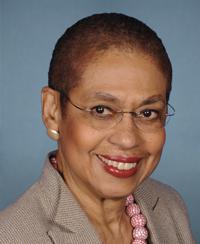
Sponsors and Cosponsors of HRES 702
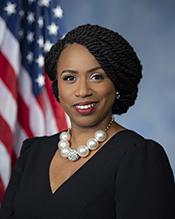
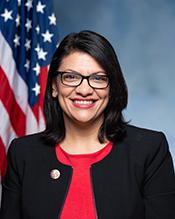
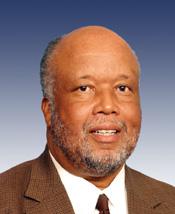
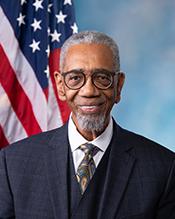

Latest Bills
National Defense Authorization Act for Fiscal Year 2026
Bill S 1071December 13, 2025
Enduring Justice for Victims of Trafficking Act
Bill S 2584December 13, 2025
Technical Corrections to the Northwestern New Mexico Rural Water Projects Act, Taos Pueblo Indian Water Rights Settlement Act, and Aamodt Litigation Settlement Act
Bill S 640December 13, 2025
Incentivizing New Ventures and Economic Strength Through Capital Formation Act of 2025
Bill HR 3383December 13, 2025
BOWOW Act of 2025
Bill HR 4638December 13, 2025
Northern Mariana Islands Small Business Access Act
Bill HR 3496December 13, 2025
Wildfire Risk Evaluation Act
Bill HR 3924December 13, 2025
Energy Choice Act
Bill HR 3699December 13, 2025
ESTUARIES Act
Bill HR 3962December 13, 2025
Improving Interagency Coordination for Pipeline Reviews Act
Bill HR 3668December 13, 2025