0
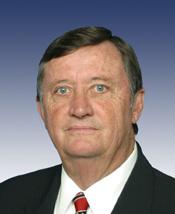
William L. Jenkins
William L. Jenkins Congressional Service
William L. Jenkins is a retired United States Congressman for the state of Tennessee. WILLIAM served as a House Representative for the state of Tennessee and served a total of 5 terms in congress.
William L. Jenkins participated in over 36 voting sessions, sponsored over 38 pieces of legislation, and cosponsored over over 776 individual bills.
Stance on Important Issues
William Jenkins supports tax cuts for businesses and reducing regulations to stimulate economic growth. He advocates for a free-market approach to strengthen the national economy.
Jenkins favors policies that support family farms and reduce federal oversight, advocating for more autonomy for farmers and increased access to international markets.
William Jenkins supports stricter immigration controls, including enhanced border security and measures to prevent illegal immigration.
Jenkins advocates for increased local control over education, school choice options such as vouchers, and reduced federal involvement in public schooling.
He supports expanding fossil fuel production and reducing regulations on energy industries while also endorsing the development of nuclear energy.
Jenkins is skeptical of extensive regulatory approaches to address climate change and opposes high-cost initiatives, favoring technological innovation instead.
He opposes government-run healthcare systems and supports market-based solutions to increase competition and lower healthcare costs.
William Jenkins favors reducing government interference in the housing market and supports policies that encourage private housing development.
Jenkins advocates for increased investment in infrastructure through public-private partnerships and reduced federal regulations on transportation projects.
He supports increasing funding for veterans' healthcare and benefits and improving service delivery within the Department of Veterans Affairs.
Jenkins supports measures to ensure election integrity, including voter ID laws and stricter controls on voter registration processes.