0
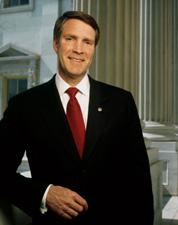
William H. Frist
William H. Frist Congressional Service
William H. Frist is a retired United States Congressman for the state of Tennessee. WILLIAM served as a Senator for the state of Tennessee and served a total of 6 terms in congress.
William H. Frist participated in over 32 voting sessions, sponsored over 548 pieces of legislation, and cosponsored over over 959 individual bills.
Stance on Important Issues
Economy
ConservativeWilliam Frist advocated for tax cuts, fiscal responsibility, and reducing government spending to stimulate economic growth.
Agriculture
ConservativeFrist supported subsidies for farmers and advocated for policies beneficial to rural America, reflecting traditional GOP support for agricultural interests.
Immigration
ConservativeWilliam Frist supported stronger border enforcement and measures to curb illegal immigration, including enhancing border security.
Education
ConservativeFrist emphasized accountability and performance standards in education, supporting measures like school choice and standardized testing.
Energy
ConservativeFrist supported increased domestic energy production, including oil and gas drilling, while promoting alternative energy research.
Climate change
ConservativeFrist acknowledged climate change but prioritized energy independence and economic factors over strict environmental regulations.
Healthcare
ConservativeAs a physician, Frist supported market-based health care reforms, including health savings accounts and Medicare prescription drug coverage.
Housing
ConservativeFrist generally supported policies aimed at promoting homeownership and opposed excessive regulations on housing markets.
Transportation
ConservativeFrist supported investment in infrastructure, with a focus on modernizing roads and highways to support economic growth.
Veterans affairs
ConservativeFrist advocated for improving veterans' access to healthcare and benefits, emphasizing accountability in VA services.
Voting rights
ConservativeFrist supported measures that prioritized election integrity, such as requiring identification for voters, reflecting concerns about voter fraud.