0
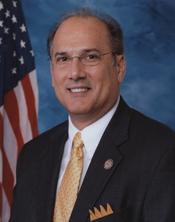
Tom Marino
Tom Marino Congressional Service
Tom Marino is a retired United States Congressman for the state of Pennsylvania. Tom served as a House Representative for the state of Pennsylvania and served a total of 5 terms in congress.
Tom Marino participated in over 442 voting sessions, sponsored over 86 pieces of legislation, and cosponsored over over 945 individual bills.
Stance on Important Issues
Economy
ConservativeTom Marino supported tax cuts and policies aimed at reducing government spending and regulation to stimulate economic growth. He backed the Tax Cuts and Jobs Act of 2017.
Agriculture
ConservativeMarino advocated for policies that support farmers, including subsidies and measures to reduce regulatory burdens on agriculture.
Immigration
Extremely conservativeMarino favored stricter immigration controls and supported measures to enhance border security, such as building a wall along the U.S.-Mexico border.
Education
ConservativeHe supported local control over education and school choice initiatives, such as charter schools and voucher programs.
Energy
ConservativeMarino was a proponent of expanding domestic energy production, particularly fossil fuels, and reducing regulatory barriers for energy companies.
Climate change
Extremely conservativeMarino generally opposed measures aimed at regulating carbon emissions and was skeptical of the extent of human impact on climate change.
Healthcare
ConservativeHe opposed the Affordable Care Act and supported its repeal, advocating for market-based healthcare solutions.
Housing
ConservativeWhile specific housing policies are less documented, Marino's general stance supported reducing government regulation which could extend to the housing market.
Transportation
CentristMarino focused on infrastructure improvements, often supporting federal funding for transportation projects in his district.
Veterans affairs
ConservativeHe strongly supported veterans, advocating for improvements in healthcare services and benefits for veterans.
Voting rights
ConservativeMarino supported measures aimed at securing the voting process, such as voter ID laws, which he argued would prevent fraud.