0
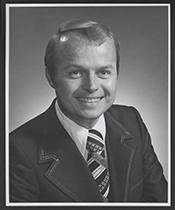
Thomas M. Hagedorn
Thomas M. Hagedorn Congressional Service
Thomas M. Hagedorn is a retired United States Congressman for the state of Minnesota. TOM served as a Senator for the state of Minnesota and served a total of 1 term in congress.
Thomas M. Hagedorn participated in over 0 voting sessions, sponsored over 113 pieces of legislation, and cosponsored over over 616 individual bills.
Stance on Important Issues
Economy
ConservativeTom Hagedorn generally supported limited government intervention in the economy, advocating for pro-business policies and tax cuts.
Agriculture
ConservativeHe favored policies that supported farmers, including subsidies and reducing regulations on agricultural practices.
Immigration
ConservativeHagedorn typically backed stricter immigration controls, emphasizing border security and enforcement of existing laws.
Education
ConservativeHe advocated for state and local control of education, supporting school choice initiatives and reducing federal oversight.
Energy
ConservativeHagedorn supported expanding domestic energy production, including fossil fuels, and was generally opposed to extensive regulatory measures.
Climate change
ConservativeHe showed skepticism towards policies addressing climate change, typically opposing measures that would impose stricter emissions standards on businesses.
Healthcare
ConservativeHagedorn advocated for reducing government involvement in healthcare, opposing the Affordable Care Act and supporting market-based solutions.
Housing
ConservativeHis stance on housing focused on reducing regulatory burdens to encourage private development and improve housing affordability.
Transportation
ConservativeHe favored prioritizing infrastructure development through public-private partnerships and limiting federal spending on transportation.
Veterans affairs
ConservativeHagedorn supported policies aimed at improving services for veterans, including access to healthcare and employment opportunities.
Voting rights
ConservativeHe typically backed measures that emphasized election security, including voter ID laws, and was cautious of federal intervention in state election processes.