0
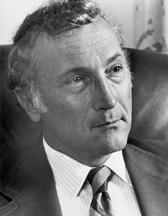
Richard S. Schweiker
Richard S. Schweiker Congressional Service
Richard S. Schweiker is a retired United States Congressman for the state of Pennsylvania. RICHARD served as a Senator for the state of Pennsylvania and served a total of 6 terms in congress.
Richard S. Schweiker participated in over 0 voting sessions, sponsored over 132 pieces of legislation, and cosponsored over over 522 individual bills.
Stance on Important Issues
Economy
ConservativeRichard Schweiker generally supported policies favoring tax cuts and reduced government spending, aligned with conservative fiscal principles.
Agriculture
CentristSchweiker advocated for federal support to farmers, balancing between market-oriented approaches and government assistance.
Immigration
CentristThere is limited specific information on Schweiker's stance on immigration policy during his political career.
Education
CentristSchweiker supported increased federal investment in education, emphasizing accessibility and quality of public education systems.
Energy
ConservativeHe backed the development of domestic energy sources, advocating for a balanced approach to include both fossil fuels and emerging technologies.
Climate change
CentristClimate change was not a prominent issue during his tenure, and there is limited information on his specific stance.
Healthcare
CentristSchweiker supported measures to expand access to healthcare, including initiatives like Medicare, often focusing on comprehensive solutions.
Housing
CentristHis stance included advocating for policies that aimed to increase affordable housing options through both public and private efforts.
Transportation
CentristHe favored investments in infrastructure improvements and supported federal transportation initiatives to enhance national connectivity.
Veterans affairs
ConservativeSchweiker actively supported improvements in veterans' benefits, particularly in healthcare and education for veterans.
Voting rights
CentristThere is limited direct information about his perspective on voting rights, but he likely supported maintaining existing voting structures.