0
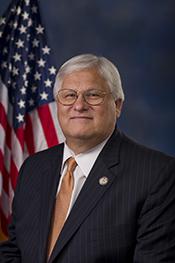
Kenny Marchant
Kenny Marchant Congressional Service
Kenny Marchant is a retired United States Congressman for the state of Texas. Kenny served as a House Representative for the state of Texas and served a total of 8 terms in congress.
Kenny Marchant participated in over 563 voting sessions, sponsored over 65 pieces of legislation, and cosponsored over over 2231 individual bills.
Stance on Important Issues
Economy
ConservativeKenny Marchant supported tax cuts and deregulation policies, emphasizing reducing the corporate tax rate and promoting business growth.
Agriculture
ConservativeMarchant generally supported policies favoring agricultural subsidies and measures to protect local farming interests.
Immigration
Extremely conservativeMarchant opposed policies that provided amnesty to undocumented immigrants and favored stronger border security measures.
Education
ConservativeMarchant supported local control over education and opposed increased federal funding without accountability measures.
Energy
ConservativeHe favored expanding domestic energy production, including oil and gas, and opposed regulations he viewed as restrictive to energy businesses.
Climate change
ConservativeMarchant was skeptical of climate change regulations that he believed could harm economic growth, supporting a focus on market-based solutions.
Healthcare
ConservativeHe opposed the Affordable Care Act, advocating for healthcare reforms that increase competition and reduce government involvement.
Housing
ConservativeMarchant supported policies that encouraged private sector involvement in housing and opposed extensive federal intervention.
Transportation
ConservativeHe prioritized funding for infrastructure upgrades but emphasized local and state-level solutions over federal initiatives.
Veterans affairs
ConservativeMarchant supported increased funding for veterans' healthcare and benefits, advocating for efficiency and reform in the VA system.
Voting rights
ConservativeHe supported measures to enhance election security, including voter ID laws, often seeing them as necessary to prevent fraud.