0
0
0
A bill to authorize an exception to the prohibition on the construction of Coast Guard vessels in foreign shipyards, and for other purposes.
2/7/2025, 11:56 AM
Summary of Bill S 407
Bill 119 s 407, also known as the Coast Guard Authorization Act, is a piece of legislation that aims to allow for an exception to the current prohibition on the construction of Coast Guard vessels in foreign shipyards. This bill would enable the Coast Guard to work with foreign shipyards to build vessels if it is determined to be in the best interest of the United States.
The main purpose of this bill is to provide the Coast Guard with more flexibility in acquiring new vessels, as well as potentially saving costs and increasing efficiency in the construction process. By allowing for the construction of vessels in foreign shipyards, the Coast Guard may be able to take advantage of specialized expertise and resources that are not available domestically.
In addition to authorizing this exception, the bill also includes provisions for other purposes related to the Coast Guard, such as funding for operations and maintenance, improvements to infrastructure, and support for personnel. Overall, the Coast Guard Authorization Act aims to enhance the capabilities of the Coast Guard and ensure that it is able to effectively carry out its mission of protecting the nation's maritime interests.
The main purpose of this bill is to provide the Coast Guard with more flexibility in acquiring new vessels, as well as potentially saving costs and increasing efficiency in the construction process. By allowing for the construction of vessels in foreign shipyards, the Coast Guard may be able to take advantage of specialized expertise and resources that are not available domestically.
In addition to authorizing this exception, the bill also includes provisions for other purposes related to the Coast Guard, such as funding for operations and maintenance, improvements to infrastructure, and support for personnel. Overall, the Coast Guard Authorization Act aims to enhance the capabilities of the Coast Guard and ensure that it is able to effectively carry out its mission of protecting the nation's maritime interests.
Current Status of Bill S 407
Bill S 407 is currently in the status of Bill Introduced since February 5, 2025. Bill S 407 was introduced during Congress 119 and was introduced to the Senate on February 5, 2025. Bill S 407's most recent activity was Read twice and referred to the Committee on Commerce, Science, and Transportation. as of February 5, 2025
Bipartisan Support of Bill S 407
Total Number of Sponsors
1Democrat Sponsors
0Republican Sponsors
1Unaffiliated Sponsors
0Total Number of Cosponsors
1Democrat Cosponsors
0Republican Cosponsors
1Unaffiliated Cosponsors
0Policy Area and Potential Impact of Bill S 407
Primary Policy Focus
Alternate Title(s) of Bill S 407
A bill to authorize an exception to the prohibition on the construction of Coast Guard vessels in foreign shipyards, and for other purposes.
A bill to authorize an exception to the prohibition on the construction of Coast Guard vessels in foreign shipyards, and for other purposes.
Comments
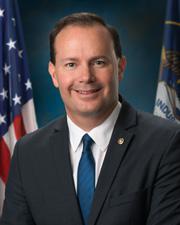
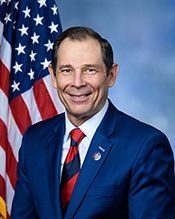
Sponsors and Cosponsors of S 407
Latest Bills
TRAPS Act
Bill HR 4936September 18, 2026
Apples to Apples Comparison Act of 2025
Bill HR 4093September 18, 2026
American Lending Fairness Act of 2026
Bill HR 7866September 18, 2026
Civil Investigative Demand Reform Act of 2025
Bill HR 1653September 18, 2026
American Reserve Modernization Act of 2026
Bill HR 8957September 18, 2026
Preventive Health Savings Act
Bill HR 4464September 18, 2026
PEARL Act
Bill HR 9327September 18, 2026
Medically Tailored Home-Delivered Meals Program Pilot Act
Bill HR 5439September 18, 2026
To designate the facility of the United States Postal Service located at 117 West Lovett Street in Charlotte, Michigan, as the "Francis C. Flaherty Post Office Building".
Bill HR 9570September 18, 2026
To designate the facility of the United States Postal Service located at 1019 Avenue H in Fort Madison, Iowa, as the "Martin L. Graber Post Office".
Bill HR 4707September 18, 2026