0
0
0
A bill to require congressional approval for rules that are expected to cost not less than $50,000,000 annually, and for other purposes.
2/4/2025, 11:56 AM
Summary of Bill S 368
Bill 119 s 368, also known as the Congressional Approval for Costly Regulations Act, is a proposed piece of legislation that aims to require congressional approval for any rules or regulations that are estimated to cost at least $50 million annually. The bill seeks to increase transparency and accountability in the regulatory process by giving Congress the authority to review and potentially reject costly regulations before they are implemented.
Under this bill, federal agencies would be required to submit any proposed regulations with an estimated annual cost of $50 million or more to Congress for approval. Congress would have the opportunity to review the regulations and determine whether they are necessary and cost-effective before they can be enforced.
The purpose of this bill is to ensure that regulations with significant economic impacts are thoroughly vetted and scrutinized before being imposed on businesses and individuals. Proponents argue that this will help prevent unnecessary and burdensome regulations that could stifle economic growth and innovation. Critics of the bill, however, argue that it could lead to delays in the regulatory process and hinder the ability of agencies to effectively protect public health and safety. They also raise concerns about the potential for political interference in the regulatory process if Congress is given the authority to approve or reject regulations. Overall, Bill 119 s 368 represents an effort to increase congressional oversight of costly regulations and promote greater accountability in the regulatory process. The bill is currently under consideration in the Senate and its fate remains uncertain.
Under this bill, federal agencies would be required to submit any proposed regulations with an estimated annual cost of $50 million or more to Congress for approval. Congress would have the opportunity to review the regulations and determine whether they are necessary and cost-effective before they can be enforced.
The purpose of this bill is to ensure that regulations with significant economic impacts are thoroughly vetted and scrutinized before being imposed on businesses and individuals. Proponents argue that this will help prevent unnecessary and burdensome regulations that could stifle economic growth and innovation. Critics of the bill, however, argue that it could lead to delays in the regulatory process and hinder the ability of agencies to effectively protect public health and safety. They also raise concerns about the potential for political interference in the regulatory process if Congress is given the authority to approve or reject regulations. Overall, Bill 119 s 368 represents an effort to increase congressional oversight of costly regulations and promote greater accountability in the regulatory process. The bill is currently under consideration in the Senate and its fate remains uncertain.
Current Status of Bill S 368
Bill S 368 is currently in the status of Bill Introduced since February 3, 2025. Bill S 368 was introduced during Congress 119 and was introduced to the Senate on February 3, 2025. Bill S 368's most recent activity was Read twice and referred to the Committee on Homeland Security and Governmental Affairs. as of February 3, 2025
Bipartisan Support of Bill S 368
Total Number of Sponsors
1Democrat Sponsors
0Republican Sponsors
1Unaffiliated Sponsors
0Total Number of Cosponsors
0Democrat Cosponsors
0Republican Cosponsors
0Unaffiliated Cosponsors
0Policy Area and Potential Impact of Bill S 368
Primary Policy Focus
Alternate Title(s) of Bill S 368
A bill to require congressional approval for rules that are expected to cost not less than $50,000,000 annually, and for other purposes.
A bill to require congressional approval for rules that are expected to cost not less than $50,000,000 annually, and for other purposes.
Comments
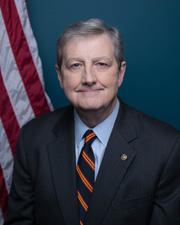
Sponsors and Cosponsors of S 368
Latest Bills
TRAPS Act
Bill HR 4936September 18, 2026
Apples to Apples Comparison Act of 2025
Bill HR 4093September 18, 2026
American Lending Fairness Act of 2026
Bill HR 7866September 18, 2026
Civil Investigative Demand Reform Act of 2025
Bill HR 1653September 18, 2026
American Reserve Modernization Act of 2026
Bill HR 8957September 18, 2026
Preventive Health Savings Act
Bill HR 4464September 18, 2026
PEARL Act
Bill HR 9327September 18, 2026
Medically Tailored Home-Delivered Meals Program Pilot Act
Bill HR 5439September 18, 2026
To designate the facility of the United States Postal Service located at 117 West Lovett Street in Charlotte, Michigan, as the "Francis C. Flaherty Post Office Building".
Bill HR 9570September 18, 2026
To designate the facility of the United States Postal Service located at 1019 Avenue H in Fort Madison, Iowa, as the "Martin L. Graber Post Office".
Bill HR 4707September 18, 2026