5
Protect Elections from Deceptive AI Act
4/15/2025, 4:23 AM
Summary of Bill S 1213
If passed, the bill would make it illegal to distribute deepfake content that is intended to deceive viewers or manipulate public opinion about a candidate running for Federal office. This includes videos or audio recordings that falsely depict a candidate saying or doing something they did not actually say or do.
The legislation is designed to protect the integrity of elections and ensure that voters have access to accurate information about candidates. By prohibiting the distribution of materially deceptive deepfake content, the bill aims to prevent the spread of misinformation and safeguard the democratic process. In addition to prohibiting the distribution of deepfakes related to Federal candidates, the bill may also include provisions for enforcement and penalties for those who violate the law. This could involve fines or other legal consequences for individuals or organizations found to be distributing misleading AI-generated content. Overall, Bill 119 s 1213 seeks to address the growing threat of deepfake technology in the political sphere and protect the integrity of elections by preventing the dissemination of deceptive audio or visual media.
Congressional Summary of S 1213
Protect Elections from Deceptive AI Act
This bill prohibits the distribution of materially deceptive audio or visual media that is generated by artificial intelligence (AI) relating to federal candidates.
The bill generally prohibits individuals, political committees, and other entities from knowingly distributing materially deceptive AI-generated audio or visual media in carrying out a federal election activity or of a federal candidate for the purpose of (1) influencing an election, or (2) soliciting funds. This prohibition does not apply to certain entities, such as radio or television broadcasting stations that broadcast such media with disclosures as part of a bona fide newscast.
The bill also permits a federal candidate whose voice or likeness appears in such materially deceptive AI-generated audio or visual media to bring a civil action for injunctive relief or damages.
Read the Full Bill
Current Status of Bill S 1213
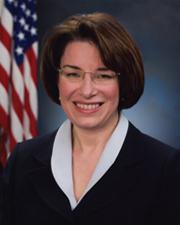
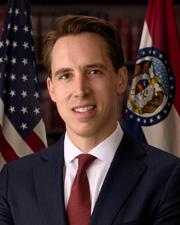
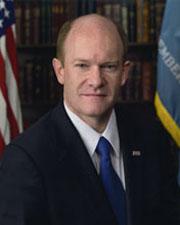
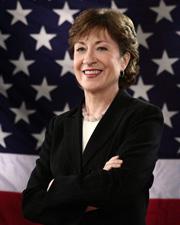
Bipartisan Support of Bill S 1213
Total Number of Sponsors
2Democrat Sponsors
2Republican Sponsors
0Unaffiliated Sponsors
0Total Number of Cosponsors
4Democrat Cosponsors
2Republican Cosponsors
2Unaffiliated Cosponsors
0Policy Area and Potential Impact of Bill S 1213
Primary Policy Focus
Alternate Title(s) of Bill S 1213
Comments

Sterling Nguyen
1 year ago
Not a fan of it.