6
8
8
No Tax Subsidies for Stadiums Act of 2025
4/15/2025, 4:23 AM
Summary of Bill S 1192
Bill 119 s 1192, also known as the "No Tax Subsidies for Stadiums Act," aims to amend the Internal Revenue Code of 1986 to prevent bonds used to finance professional sports stadiums from being considered tax-exempt. This means that the interest earned on these bonds would be subject to federal income tax.
The bill is designed to address concerns about the use of taxpayer dollars to subsidize the construction of stadiums for professional sports teams. Supporters argue that these subsidies are often unnecessary and can divert funds from other important public projects. By eliminating the tax-exempt status of bonds used for stadium financing, the bill aims to ensure that taxpayers are not indirectly subsidizing the construction of these facilities.
Opponents of the bill argue that it could make it more difficult for cities and states to attract professional sports teams, as teams may be less willing to relocate or build new stadiums without the tax benefits currently available. They also argue that the bill could have negative economic impacts on communities that benefit from the presence of professional sports teams. Overall, Bill 119 s 1192 is a controversial piece of legislation that raises important questions about the use of taxpayer dollars to support professional sports teams. It will be interesting to see how the bill progresses through Congress and what impact it may have on the future of stadium financing in the United States.
The bill is designed to address concerns about the use of taxpayer dollars to subsidize the construction of stadiums for professional sports teams. Supporters argue that these subsidies are often unnecessary and can divert funds from other important public projects. By eliminating the tax-exempt status of bonds used for stadium financing, the bill aims to ensure that taxpayers are not indirectly subsidizing the construction of these facilities.
Opponents of the bill argue that it could make it more difficult for cities and states to attract professional sports teams, as teams may be less willing to relocate or build new stadiums without the tax benefits currently available. They also argue that the bill could have negative economic impacts on communities that benefit from the presence of professional sports teams. Overall, Bill 119 s 1192 is a controversial piece of legislation that raises important questions about the use of taxpayer dollars to support professional sports teams. It will be interesting to see how the bill progresses through Congress and what impact it may have on the future of stadium financing in the United States.
Read the Full Bill
Current Status of Bill S 1192
Bill S 1192 is currently in the status of Bill Introduced since March 27, 2025. Bill S 1192 was introduced during Congress 119 and was introduced to the Senate on March 27, 2025. Bill S 1192's most recent activity was Read twice and referred to the Committee on Finance. as of March 27, 2025
Bipartisan Support of Bill S 1192
Total Number of Sponsors
2Democrat Sponsors
0Republican Sponsors
2Unaffiliated Sponsors
0Total Number of Cosponsors
1Democrat Cosponsors
1Republican Cosponsors
0Unaffiliated Cosponsors
0Policy Area and Potential Impact of Bill S 1192
Primary Policy Focus
Alternate Title(s) of Bill S 1192
A bill to amend the Internal Revenue Code of 1986 to ensure that bonds used to finance professional stadiums are not treated as tax-exempt bonds.
A bill to amend the Internal Revenue Code of 1986 to ensure that bonds used to finance professional stadiums are not treated as tax-exempt bonds.
Comments

Hailey Lancaster
1,182
1 year ago
This bill is so dumb, why should we care about it? Who does it even help?
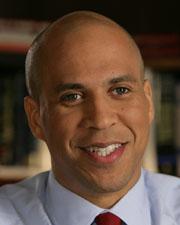
Sponsors and Cosponsors of S 1192

Latest Bills
TRAPS Act
Bill HR 4936September 18, 2026
Apples to Apples Comparison Act of 2025
Bill HR 4093September 18, 2026
American Lending Fairness Act of 2026
Bill HR 7866September 18, 2026
Civil Investigative Demand Reform Act of 2025
Bill HR 1653September 18, 2026
American Reserve Modernization Act of 2026
Bill HR 8957September 18, 2026
Preventive Health Savings Act
Bill HR 4464September 18, 2026
PEARL Act
Bill HR 9327September 18, 2026
Medically Tailored Home-Delivered Meals Program Pilot Act
Bill HR 5439September 18, 2026
To designate the facility of the United States Postal Service located at 117 West Lovett Street in Charlotte, Michigan, as the "Francis C. Flaherty Post Office Building".
Bill HR 9570September 18, 2026
To designate the facility of the United States Postal Service located at 1019 Avenue H in Fort Madison, Iowa, as the "Martin L. Graber Post Office".
Bill HR 4707September 18, 2026