0
0
0
Accountability for Terrorist Perpetrators of October 7th Act
4/4/2025, 5:08 AM
Summary of Bill S 1126
Bill 119 s 1126, also known as the "Sanctioning Popular Resistance Committees Act," is a piece of legislation introduced in the US Congress. The main objective of this bill is to impose sanctions on the Popular Resistance Committees (PRC) and other associated entities. The PRC is a militant group based in the Gaza Strip that has been involved in various acts of violence and terrorism against Israel.
The bill aims to hold the PRC accountable for its actions and to deter future acts of violence by imposing economic and diplomatic sanctions on the group. These sanctions could include restrictions on financial transactions, travel bans, and asset freezes.
In addition to targeting the PRC, the bill also seeks to sanction any other entities that are found to be associated with the group. This is meant to prevent the PRC from receiving support or funding from other sources that may enable them to continue their violent activities. Overall, the "Sanctioning Popular Resistance Committees Act" is a measure aimed at addressing the threat posed by the PRC and similar militant groups in the region. It is part of a broader effort to promote peace and stability in the Middle East by holding accountable those who engage in acts of terrorism and violence.
The bill aims to hold the PRC accountable for its actions and to deter future acts of violence by imposing economic and diplomatic sanctions on the group. These sanctions could include restrictions on financial transactions, travel bans, and asset freezes.
In addition to targeting the PRC, the bill also seeks to sanction any other entities that are found to be associated with the group. This is meant to prevent the PRC from receiving support or funding from other sources that may enable them to continue their violent activities. Overall, the "Sanctioning Popular Resistance Committees Act" is a measure aimed at addressing the threat posed by the PRC and similar militant groups in the region. It is part of a broader effort to promote peace and stability in the Middle East by holding accountable those who engage in acts of terrorism and violence.
Read the Full Bill
Current Status of Bill S 1126
Bill S 1126 is currently in the status of Bill Introduced since March 25, 2025. Bill S 1126 was introduced during Congress 119 and was introduced to the Senate on March 25, 2025. Bill S 1126's most recent activity was Read twice and referred to the Committee on Foreign Relations. as of March 25, 2025
Bipartisan Support of Bill S 1126
Total Number of Sponsors
2Democrat Sponsors
0Republican Sponsors
2Unaffiliated Sponsors
0Total Number of Cosponsors
1Democrat Cosponsors
1Republican Cosponsors
0Unaffiliated Cosponsors
0Policy Area and Potential Impact of Bill S 1126
Primary Policy Focus
Alternate Title(s) of Bill S 1126
A bill to require the imposition of sanctions on the Popular Resistance Committees and other associated entities, and for other purposes.
A bill to require the imposition of sanctions on the Popular Resistance Committees and other associated entities, and for other purposes.
Comments
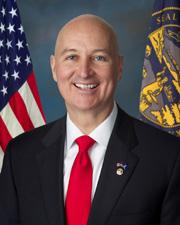
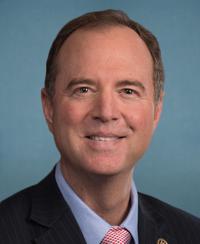
Sponsors and Cosponsors of S 1126
Latest Bills
TRAPS Act
Bill HR 4936September 18, 2026
Apples to Apples Comparison Act of 2025
Bill HR 4093September 18, 2026
American Lending Fairness Act of 2026
Bill HR 7866September 18, 2026
Civil Investigative Demand Reform Act of 2025
Bill HR 1653September 18, 2026
American Reserve Modernization Act of 2026
Bill HR 8957September 18, 2026
Preventive Health Savings Act
Bill HR 4464September 18, 2026
PEARL Act
Bill HR 9327September 18, 2026
Medically Tailored Home-Delivered Meals Program Pilot Act
Bill HR 5439September 18, 2026
To designate the facility of the United States Postal Service located at 117 West Lovett Street in Charlotte, Michigan, as the "Francis C. Flaherty Post Office Building".
Bill HR 9570September 18, 2026
To designate the facility of the United States Postal Service located at 1019 Avenue H in Fort Madison, Iowa, as the "Martin L. Graber Post Office".
Bill HR 4707September 18, 2026