0
0
0
Federal Workforce Freedom Act
4/3/2025, 1:23 PM
Summary of Bill S 1006
Bill 119 s 1006, also known as the Federal Employee Labor Union Prohibition Act, aims to prevent federal employees from organizing, joining, or participating in labor unions for the purpose of collective bargaining or representation. The bill also includes provisions for other purposes related to labor unions and federal employees.
If passed, this legislation would have significant implications for federal workers, as it would effectively strip them of their ability to collectively bargain for better wages, benefits, and working conditions. This could potentially lead to a decrease in worker protections and rights within the federal government.
Supporters of the bill argue that it would increase efficiency and reduce costs within the federal government by limiting the power of labor unions. They believe that federal employees should not have the same rights to organize and bargain collectively as private sector workers. Opponents of the bill, on the other hand, argue that it is an attack on workers' rights and would lead to a decrease in job security and overall quality of life for federal employees. They believe that labor unions play a crucial role in advocating for workers and ensuring fair treatment in the workplace. Overall, Bill 119 s 1006 is a controversial piece of legislation that has the potential to significantly impact federal employees and their ability to advocate for their rights in the workplace. It is important for lawmakers and the public to carefully consider the implications of this bill before making any decisions on its passage.
If passed, this legislation would have significant implications for federal workers, as it would effectively strip them of their ability to collectively bargain for better wages, benefits, and working conditions. This could potentially lead to a decrease in worker protections and rights within the federal government.
Supporters of the bill argue that it would increase efficiency and reduce costs within the federal government by limiting the power of labor unions. They believe that federal employees should not have the same rights to organize and bargain collectively as private sector workers. Opponents of the bill, on the other hand, argue that it is an attack on workers' rights and would lead to a decrease in job security and overall quality of life for federal employees. They believe that labor unions play a crucial role in advocating for workers and ensuring fair treatment in the workplace. Overall, Bill 119 s 1006 is a controversial piece of legislation that has the potential to significantly impact federal employees and their ability to advocate for their rights in the workplace. It is important for lawmakers and the public to carefully consider the implications of this bill before making any decisions on its passage.
Current Status of Bill S 1006
Bill S 1006 is currently in the status of Bill Introduced since March 12, 2025. Bill S 1006 was introduced during Congress 119 and was introduced to the Senate on March 12, 2025. Bill S 1006's most recent activity was Read twice and referred to the Committee on Homeland Security and Governmental Affairs. as of March 12, 2025
Bipartisan Support of Bill S 1006
Total Number of Sponsors
2Democrat Sponsors
0Republican Sponsors
2Unaffiliated Sponsors
0Total Number of Cosponsors
1Democrat Cosponsors
0Republican Cosponsors
1Unaffiliated Cosponsors
0Policy Area and Potential Impact of Bill S 1006
Primary Policy Focus
Alternate Title(s) of Bill S 1006
A bill to prohibit Federal employees from organizing, joining, or participating labor unions for purposes of collective bargaining or representation, and for other purposes.
A bill to prohibit Federal employees from organizing, joining, or participating labor unions for purposes of collective bargaining or representation, and for other purposes.
Comments
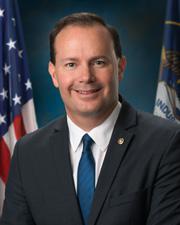
Sponsors and Cosponsors of S 1006

Latest Bills
TRAPS Act
Bill HR 4936September 18, 2026
Apples to Apples Comparison Act of 2025
Bill HR 4093September 18, 2026
American Lending Fairness Act of 2026
Bill HR 7866September 18, 2026
Civil Investigative Demand Reform Act of 2025
Bill HR 1653September 18, 2026
American Reserve Modernization Act of 2026
Bill HR 8957September 18, 2026
Preventive Health Savings Act
Bill HR 4464September 18, 2026
PEARL Act
Bill HR 9327September 18, 2026
Medically Tailored Home-Delivered Meals Program Pilot Act
Bill HR 5439September 18, 2026
To designate the facility of the United States Postal Service located at 117 West Lovett Street in Charlotte, Michigan, as the "Francis C. Flaherty Post Office Building".
Bill HR 9570September 18, 2026
To designate the facility of the United States Postal Service located at 1019 Avenue H in Fort Madison, Iowa, as the "Martin L. Graber Post Office".
Bill HR 4707September 18, 2026