0
0
0
Denouncing the human trafficking and forced labor of and profiteering from Cuban medical personnel serving in third-world countries.
3/11/2025, 8:33 AM
Summary of Bill HRES 205
Bill 119 HRES 205, also known as the Denouncing the human trafficking and forced labor of and profiteering from Cuban medical personnel serving in third-world countries, is a piece of legislation introduced in the US Congress. The bill aims to address the issue of human trafficking and forced labor of Cuban medical personnel who are sent to work in third-world countries.
The bill highlights the fact that the Cuban government profits from sending medical personnel to work in other countries, while the medical personnel themselves are often subjected to exploitative working conditions and are not allowed to keep a significant portion of their earnings. This practice has been widely criticized as a form of modern-day slavery.
The legislation denounces this practice and calls for the international community to take action to address the issue. It also calls on the US government to work with other countries to put pressure on the Cuban government to end the exploitation of its medical personnel. Overall, Bill 119 HRES 205 is a bipartisan effort to bring attention to the issue of human trafficking and forced labor of Cuban medical personnel and to work towards ending this exploitative practice.
The bill highlights the fact that the Cuban government profits from sending medical personnel to work in other countries, while the medical personnel themselves are often subjected to exploitative working conditions and are not allowed to keep a significant portion of their earnings. This practice has been widely criticized as a form of modern-day slavery.
The legislation denounces this practice and calls for the international community to take action to address the issue. It also calls on the US government to work with other countries to put pressure on the Cuban government to end the exploitation of its medical personnel. Overall, Bill 119 HRES 205 is a bipartisan effort to bring attention to the issue of human trafficking and forced labor of Cuban medical personnel and to work towards ending this exploitative practice.
Read the Full Bill
Current Status of Bill HRES 205
Bill HRES 205 is currently in the status of Bill Introduced since March 10, 2025. Bill HRES 205 was introduced during Congress 119 and was introduced to the House on March 10, 2025. Bill HRES 205's most recent activity was Referred to the Committee on Foreign Affairs, and in addition to the Committee on the Judiciary, for a period to be subsequently determined by the Speaker, in each case for consideration of such provisions as fall within the jurisdiction of the committee concerned. as of March 10, 2025
Bipartisan Support of Bill HRES 205
Total Number of Sponsors
1Democrat Sponsors
0Republican Sponsors
1Unaffiliated Sponsors
0Total Number of Cosponsors
3Democrat Cosponsors
1Republican Cosponsors
2Unaffiliated Cosponsors
0Policy Area and Potential Impact of Bill HRES 205
Primary Policy Focus
Alternate Title(s) of Bill HRES 205
Denouncing the human trafficking and forced labor of and profiteering from Cuban medical personnel serving in third-world countries.
Denouncing the human trafficking and forced labor of and profiteering from Cuban medical personnel serving in third-world countries.
Comments
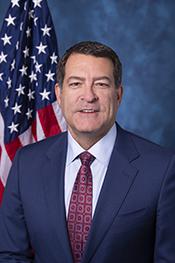
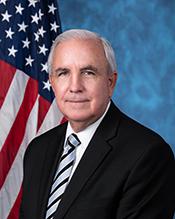
Sponsors and Cosponsors of HRES 205


Latest Bills
TRAPS Act
Bill HR 4936September 18, 2026
Apples to Apples Comparison Act of 2025
Bill HR 4093September 18, 2026
American Lending Fairness Act of 2026
Bill HR 7866September 18, 2026
Civil Investigative Demand Reform Act of 2025
Bill HR 1653September 18, 2026
American Reserve Modernization Act of 2026
Bill HR 8957September 18, 2026
Preventive Health Savings Act
Bill HR 4464September 18, 2026
PEARL Act
Bill HR 9327September 18, 2026
Medically Tailored Home-Delivered Meals Program Pilot Act
Bill HR 5439September 18, 2026
To designate the facility of the United States Postal Service located at 117 West Lovett Street in Charlotte, Michigan, as the "Francis C. Flaherty Post Office Building".
Bill HR 9570September 18, 2026
To designate the facility of the United States Postal Service located at 1019 Avenue H in Fort Madison, Iowa, as the "Martin L. Graber Post Office".
Bill HR 4707September 18, 2026