0
0
0
To waive certain provisions in the case of an emergency declaration under the Robert T. Stafford Disaster Relief and Emergency Assistance Act.
2/6/2025, 3:03 AM
Summary of Bill HR 315
Bill 119 HR 315, also known as the "Emergency Declaration Waiver Act," aims to provide flexibility in the implementation of the Robert T. Stafford Disaster Relief and Emergency Assistance Act during times of emergency declarations. The bill seeks to waive certain provisions of the Stafford Act in order to expedite the delivery of critical assistance to communities in need.
Specifically, the bill allows the President to waive certain requirements related to the cost-sharing provisions for federal assistance, as well as the limitations on the amount of assistance that can be provided to a state or local government. This waiver authority would only be granted in cases where the President has declared a state of emergency under the Stafford Act.
The purpose of this legislation is to streamline the process of providing aid to communities affected by disasters, allowing for a more efficient and effective response to emergencies. By waiving certain provisions of the Stafford Act, the bill aims to ensure that resources can be quickly mobilized to assist those in need during times of crisis. Overall, the Emergency Declaration Waiver Act seeks to improve the federal government's ability to respond to emergencies and provide timely assistance to communities in distress. It is designed to enhance the effectiveness of disaster relief efforts and ensure that resources are deployed swiftly and efficiently to those who need them most.
Specifically, the bill allows the President to waive certain requirements related to the cost-sharing provisions for federal assistance, as well as the limitations on the amount of assistance that can be provided to a state or local government. This waiver authority would only be granted in cases where the President has declared a state of emergency under the Stafford Act.
The purpose of this legislation is to streamline the process of providing aid to communities affected by disasters, allowing for a more efficient and effective response to emergencies. By waiving certain provisions of the Stafford Act, the bill aims to ensure that resources can be quickly mobilized to assist those in need during times of crisis. Overall, the Emergency Declaration Waiver Act seeks to improve the federal government's ability to respond to emergencies and provide timely assistance to communities in distress. It is designed to enhance the effectiveness of disaster relief efforts and ensure that resources are deployed swiftly and efficiently to those who need them most.
Congressional Summary of HR 315
This bill prohibits the Federal Emergency Management Agency from requiring the application of the Buy American requirements (requirements for the use of goods mined, produced, or manufactured in the United States) with respect to purchases made or contracts issued by Puerto Rico, the District of Columbia, American Samoa, or the U.S. Virgin Islands in the case of an emergency declaration.
Read the Full Bill
Current Status of Bill HR 315
Bill HR 315 is currently in the status of Bill Introduced since January 9, 2025. Bill HR 315 was introduced during Congress 119 and was introduced to the House on January 9, 2025. Bill HR 315's most recent activity was Referred to the House Committee on Transportation and Infrastructure. as of January 9, 2025
Bipartisan Support of Bill HR 315
Total Number of Sponsors
2Democrat Sponsors
0Republican Sponsors
2Unaffiliated Sponsors
0Total Number of Cosponsors
0Democrat Cosponsors
0Republican Cosponsors
0Unaffiliated Cosponsors
0Policy Area and Potential Impact of Bill HR 315
Primary Policy Focus
Alternate Title(s) of Bill HR 315
To waive certain provisions in the case of an emergency declaration under the Robert T. Stafford Disaster Relief and Emergency Assistance Act.
To waive certain provisions in the case of an emergency declaration under the Robert T. Stafford Disaster Relief and Emergency Assistance Act.
Comments
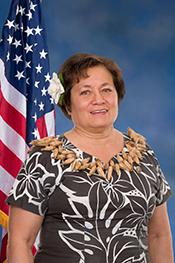
Sponsors and Cosponsors of HR 315
Latest Bills
TRAPS Act
Bill HR 4936September 18, 2026
Apples to Apples Comparison Act of 2025
Bill HR 4093September 18, 2026
American Lending Fairness Act of 2026
Bill HR 7866September 18, 2026
Civil Investigative Demand Reform Act of 2025
Bill HR 1653September 18, 2026
American Reserve Modernization Act of 2026
Bill HR 8957September 18, 2026
Preventive Health Savings Act
Bill HR 4464September 18, 2026
PEARL Act
Bill HR 9327September 18, 2026
Medically Tailored Home-Delivered Meals Program Pilot Act
Bill HR 5439September 18, 2026
To designate the facility of the United States Postal Service located at 117 West Lovett Street in Charlotte, Michigan, as the "Francis C. Flaherty Post Office Building".
Bill HR 9570September 18, 2026
To designate the facility of the United States Postal Service located at 1019 Avenue H in Fort Madison, Iowa, as the "Martin L. Graber Post Office".
Bill HR 4707September 18, 2026