5
Sarah Katz Caffeine Safety Act
4/11/2025, 8:06 AM
Summary of Bill HR 2511
Under this proposed legislation, manufacturers of food and beverage products that contain caffeine would be required to clearly label the amount of caffeine present in their products. This information would need to be prominently displayed on the packaging to ensure that consumers are fully informed about the caffeine content of the products they are purchasing.
The Caffeine Labeling Act is designed to empower consumers to make more informed choices about their caffeine consumption and to help prevent potential health issues related to excessive caffeine intake. By providing clear and accurate information about the caffeine content of products, this bill aims to promote public health and safety. Overall, the Caffeine Labeling Act represents a proactive approach to addressing the growing concerns surrounding caffeine consumption and its potential impact on public health. If passed, this legislation would require manufacturers to be transparent about the caffeine content of their products, ultimately benefiting consumers and promoting greater awareness of the potential risks associated with excessive caffeine consumption.
Congressional Summary of HR 2511
Sarah Katz Caffeine Safety Act
This bill establishes labeling and disclosure requirements for caffeinated food, beverages, and supplements.
Specifically, the bill requires foods and dietary supplements that contain more than 10 milligrams of caffeine to be labeled with (1) their total caffeine content, (2) a statement of whether the caffeine is naturally occurring or is an additive, and (3) an advisory statement indicating that the recommended daily limit of caffeine for healthy adults is 400 milligrams.
Further, in restaurant chains with 20 or more locations, menus must indicate that an item contains high caffeine where the item contains added caffeine and has a total caffeine content of at least 150 milligrams. Restaurants must place the statement “high caffeine” or a similar indication adjacent to the name of a covered item on the menu. This requirement applies to both standard and temporary menu items.
For standard menu items, the bill also expands the nutritional information that restaurants must make available to consumers in written form to include the number of milligrams of caffeine in an item.
The Food and Drug Administration (FDA) must review the safety of caffeine and other stimulants in food, beverages, and dietary supplements and determine whether caffeine should be generally recognized as safe (GRAS) for healthy adults. (Currently, the FDA considers caffeine as GRAS for cola beverages up to a level of 0.02%.)
Finally, the Government Accountability Office must study and report to Congress on the marketing of caffeinated beverages in restaurants, stores, and online.
Read the Full Bill
Current Status of Bill HR 2511
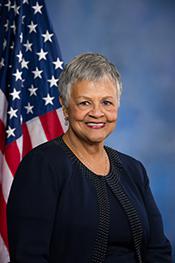
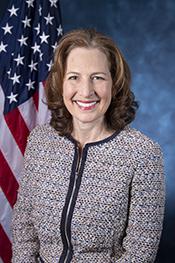
Bipartisan Support of Bill HR 2511
Total Number of Sponsors
1Democrat Sponsors
1Republican Sponsors
0Unaffiliated Sponsors
0Total Number of Cosponsors
27Democrat Cosponsors
25Republican Cosponsors
2Unaffiliated Cosponsors
0Policy Area and Potential Impact of Bill HR 2511
Primary Policy Focus
HealthAlternate Title(s) of Bill HR 2511
Comments

Samuel Crane
1 year ago
This bill is just ridiculous. It's gonna mess with my daily routine and I'm not happy about it. Why do they have to go and regulate something as simple as caffeine? It's like they're trying to control every little aspect of our lives. This is just another example of government overreach. It's frustrating to see them getting involved in things that don't need their interference. Just let us live our lives without all these unnecessary rules and regulations. #HandsOffMyCaffeine