1
1
1
Proper Celebration of Martin Luther King, Jr. Day and Inauguration Day Act
4/3/2025, 11:43 AM
Summary of Bill HR 2169
Bill 119 HR 2169, also known as the "Martin Luther King, Jr. Day Separation Act," aims to amend title 5 of the United States Code to ensure that Martin Luther King, Jr. Day is observed separately from Inauguration Day. The bill seeks to give Martin Luther King, Jr. Day the recognition and importance it deserves by separating it from the presidential inauguration, which currently takes place on the same day.
The purpose of this bill is to honor the legacy of Martin Luther King, Jr. and his contributions to the civil rights movement by designating a specific day solely dedicated to celebrating his life and achievements. By separating Martin Luther King, Jr. Day from Inauguration Day, the bill aims to ensure that the focus remains on honoring Dr. King and his impact on American society.
In addition to separating the two holidays, the bill may also include provisions for other purposes related to the observance of Martin Luther King, Jr. Day. This could include promoting education and awareness about Dr. King's legacy, encouraging community service and volunteerism, and fostering discussions about civil rights and social justice issues. Overall, Bill 119 HR 2169 seeks to elevate the significance of Martin Luther King, Jr. Day and ensure that it is observed in a manner that truly honors the legacy of this influential civil rights leader.
The purpose of this bill is to honor the legacy of Martin Luther King, Jr. and his contributions to the civil rights movement by designating a specific day solely dedicated to celebrating his life and achievements. By separating Martin Luther King, Jr. Day from Inauguration Day, the bill aims to ensure that the focus remains on honoring Dr. King and his impact on American society.
In addition to separating the two holidays, the bill may also include provisions for other purposes related to the observance of Martin Luther King, Jr. Day. This could include promoting education and awareness about Dr. King's legacy, encouraging community service and volunteerism, and fostering discussions about civil rights and social justice issues. Overall, Bill 119 HR 2169 seeks to elevate the significance of Martin Luther King, Jr. Day and ensure that it is observed in a manner that truly honors the legacy of this influential civil rights leader.
Current Status of Bill HR 2169
Bill HR 2169 is currently in the status of Bill Introduced since March 18, 2025. Bill HR 2169 was introduced during Congress 119 and was introduced to the House on March 18, 2025. Bill HR 2169's most recent activity was Referred to the House Committee on Oversight and Government Reform. as of March 18, 2025
Bipartisan Support of Bill HR 2169
Total Number of Sponsors
3Democrat Sponsors
0Republican Sponsors
3Unaffiliated Sponsors
0Total Number of Cosponsors
1Democrat Cosponsors
1Republican Cosponsors
0Unaffiliated Cosponsors
0Policy Area and Potential Impact of Bill HR 2169
Primary Policy Focus
Civil Rights and Liberties, Minority IssuesAlternate Title(s) of Bill HR 2169
To amend title 5, United States Code, to provide that Martin Luther King, Jr. Day shall be observed separately from Inauguration Day, and for other purposes.
To amend title 5, United States Code, to provide that Martin Luther King, Jr. Day shall be observed separately from Inauguration Day, and for other purposes.
Comments
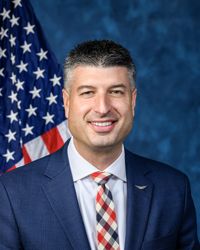
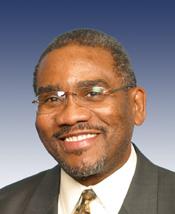
Sponsors and Cosponsors of HR 2169
Latest Bills
TRAPS Act
Bill HR 4936September 18, 2026
Apples to Apples Comparison Act of 2025
Bill HR 4093September 18, 2026
American Lending Fairness Act of 2026
Bill HR 7866September 18, 2026
Civil Investigative Demand Reform Act of 2025
Bill HR 1653September 18, 2026
American Reserve Modernization Act of 2026
Bill HR 8957September 18, 2026
Preventive Health Savings Act
Bill HR 4464September 18, 2026
PEARL Act
Bill HR 9327September 18, 2026
Medically Tailored Home-Delivered Meals Program Pilot Act
Bill HR 5439September 18, 2026
To designate the facility of the United States Postal Service located at 117 West Lovett Street in Charlotte, Michigan, as the "Francis C. Flaherty Post Office Building".
Bill HR 9570September 18, 2026
To designate the facility of the United States Postal Service located at 1019 Avenue H in Fort Madison, Iowa, as the "Martin L. Graber Post Office".
Bill HR 4707September 18, 2026