0
0
0
CALL Act
4/1/2025, 8:06 AM
Summary of Bill HR 1853
Bill 119 HR 1853, also known as the "Study of Barriers to Conservation Practice Adoption on Leased Agricultural Land Act," aims to investigate the obstacles that prevent farmers from implementing conservation practices on leased agricultural land. The bill calls for a comprehensive study to identify these barriers and propose solutions to increase the adoption of conservation practices.
The study will examine factors such as financial constraints, lack of access to technical assistance, and conflicting priorities between landowners and tenants. By understanding these barriers, policymakers can develop targeted strategies to promote conservation practices on leased agricultural land.
In addition to studying barriers, the bill also aims to explore potential benefits of increased conservation practice adoption, such as improved soil health, water quality, and biodiversity. By highlighting these benefits, the bill seeks to incentivize farmers and landowners to prioritize conservation practices on leased agricultural land. Overall, Bill 119 HR 1853 represents a bipartisan effort to address the challenges facing conservation practice adoption on leased agricultural land. By conducting a thorough study and proposing practical solutions, policymakers hope to promote sustainable agriculture practices and protect the environment for future generations.
The study will examine factors such as financial constraints, lack of access to technical assistance, and conflicting priorities between landowners and tenants. By understanding these barriers, policymakers can develop targeted strategies to promote conservation practices on leased agricultural land.
In addition to studying barriers, the bill also aims to explore potential benefits of increased conservation practice adoption, such as improved soil health, water quality, and biodiversity. By highlighting these benefits, the bill seeks to incentivize farmers and landowners to prioritize conservation practices on leased agricultural land. Overall, Bill 119 HR 1853 represents a bipartisan effort to address the challenges facing conservation practice adoption on leased agricultural land. By conducting a thorough study and proposing practical solutions, policymakers hope to promote sustainable agriculture practices and protect the environment for future generations.
Congressional Summary of HR 1853
Conservation for Agricultural Leased Land Act or the CALL Act
This bill directs the National Agricultural Statistics Service (NASS) of the Department of Agriculture to carry out a study and make recommendations regarding conservation practices on leased agricultural land.
The study must (1) address issues such as participation in conservation programs and barriers to adopting conservation practices; and (2) be carried out with particular consideration of farmers and ranchers who are people of color, including Black and indigenous farmers and ranchers, and beginning farmers and ranchers.
NASS may enter into an agreement with a nonfederal entity (e.g., a nonprofit entity or university) to carry out the study.
Read the Full Bill
Current Status of Bill HR 1853
Bill HR 1853 is currently in the status of Bill Introduced since March 5, 2025. Bill HR 1853 was introduced during Congress 119 and was introduced to the House on March 5, 2025. Bill HR 1853's most recent activity was Referred to the Subcommittee on Conservation, Research, and Biotechnology. as of March 28, 2025
Bipartisan Support of Bill HR 1853
Total Number of Sponsors
3Democrat Sponsors
3Republican Sponsors
0Unaffiliated Sponsors
0Total Number of Cosponsors
2Democrat Cosponsors
2Republican Cosponsors
0Unaffiliated Cosponsors
0Policy Area and Potential Impact of Bill HR 1853
Primary Policy Focus
Alternate Title(s) of Bill HR 1853
To require a study of the barriers to conservation practice adoption on leased agricultural land, and for other purposes.
To require a study of the barriers to conservation practice adoption on leased agricultural land, and for other purposes.
Comments
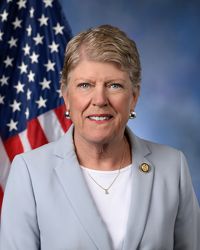
Sponsors and Cosponsors of HR 1853


Latest Bills
TRAPS Act
Bill HR 4936September 18, 2026
Apples to Apples Comparison Act of 2025
Bill HR 4093September 18, 2026
American Lending Fairness Act of 2026
Bill HR 7866September 18, 2026
Civil Investigative Demand Reform Act of 2025
Bill HR 1653September 18, 2026
American Reserve Modernization Act of 2026
Bill HR 8957September 18, 2026
Preventive Health Savings Act
Bill HR 4464September 18, 2026
PEARL Act
Bill HR 9327September 18, 2026
Medically Tailored Home-Delivered Meals Program Pilot Act
Bill HR 5439September 18, 2026
To designate the facility of the United States Postal Service located at 117 West Lovett Street in Charlotte, Michigan, as the "Francis C. Flaherty Post Office Building".
Bill HR 9570September 18, 2026
To designate the facility of the United States Postal Service located at 1019 Avenue H in Fort Madison, Iowa, as the "Martin L. Graber Post Office".
Bill HR 4707September 18, 2026