0
0
0
To prohibit the procurement of solar panels manufactured or assembled in the People's Republic of China.
2/19/2025, 9:05 AM
Summary of Bill HR 1167
Bill 119 HR 1167, also known as the "Solar Panel Procurement Prohibition Act," aims to prevent the US government from purchasing solar panels that are manufactured or assembled in the People's Republic of China. The bill was introduced in the House of Representatives and is currently under consideration.
The main purpose of this bill is to address concerns about national security and economic competitiveness. Supporters of the bill argue that China's dominance in the solar panel market poses a threat to US interests, as it could potentially give China leverage over the US in the event of a conflict. Additionally, proponents of the bill believe that by prohibiting the procurement of Chinese-made solar panels, the US can protect domestic manufacturers and promote job growth in the renewable energy sector.
Opponents of the bill, however, argue that it could have negative consequences for the US solar industry. They point out that China is currently the world's largest producer of solar panels and that banning the procurement of Chinese-made panels could lead to higher costs for US consumers and slow down the adoption of solar energy. Overall, the Solar Panel Procurement Prohibition Act is a controversial piece of legislation that raises important questions about national security, economic competitiveness, and the future of the US solar industry. It remains to be seen how this bill will progress through Congress and what its ultimate impact will be on the renewable energy sector.
The main purpose of this bill is to address concerns about national security and economic competitiveness. Supporters of the bill argue that China's dominance in the solar panel market poses a threat to US interests, as it could potentially give China leverage over the US in the event of a conflict. Additionally, proponents of the bill believe that by prohibiting the procurement of Chinese-made solar panels, the US can protect domestic manufacturers and promote job growth in the renewable energy sector.
Opponents of the bill, however, argue that it could have negative consequences for the US solar industry. They point out that China is currently the world's largest producer of solar panels and that banning the procurement of Chinese-made panels could lead to higher costs for US consumers and slow down the adoption of solar energy. Overall, the Solar Panel Procurement Prohibition Act is a controversial piece of legislation that raises important questions about national security, economic competitiveness, and the future of the US solar industry. It remains to be seen how this bill will progress through Congress and what its ultimate impact will be on the renewable energy sector.
Current Status of Bill HR 1167
Bill HR 1167 is currently in the status of Bill Introduced since February 10, 2025. Bill HR 1167 was introduced during Congress 119 and was introduced to the House on February 10, 2025. Bill HR 1167's most recent activity was Referred to the House Committee on Oversight and Government Reform. as of February 10, 2025
Bipartisan Support of Bill HR 1167
Total Number of Sponsors
2Democrat Sponsors
0Republican Sponsors
2Unaffiliated Sponsors
0Total Number of Cosponsors
1Democrat Cosponsors
0Republican Cosponsors
1Unaffiliated Cosponsors
0Policy Area and Potential Impact of Bill HR 1167
Primary Policy Focus
Alternate Title(s) of Bill HR 1167
To prohibit the procurement of solar panels manufactured or assembled in the People's Republic of China.
To prohibit the procurement of solar panels manufactured or assembled in the People's Republic of China.
Comments

June Stallings
1,205
1 year ago
This bill good. Sad China make solar panels. Short term prices go up.
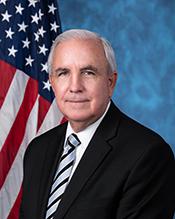
Sponsors and Cosponsors of HR 1167

Latest Bills
TRAPS Act
Bill HR 4936September 18, 2026
Apples to Apples Comparison Act of 2025
Bill HR 4093September 18, 2026
American Lending Fairness Act of 2026
Bill HR 7866September 18, 2026
Civil Investigative Demand Reform Act of 2025
Bill HR 1653September 18, 2026
American Reserve Modernization Act of 2026
Bill HR 8957September 18, 2026
Preventive Health Savings Act
Bill HR 4464September 18, 2026
PEARL Act
Bill HR 9327September 18, 2026
Medically Tailored Home-Delivered Meals Program Pilot Act
Bill HR 5439September 18, 2026
To designate the facility of the United States Postal Service located at 117 West Lovett Street in Charlotte, Michigan, as the "Francis C. Flaherty Post Office Building".
Bill HR 9570September 18, 2026
To designate the facility of the United States Postal Service located at 1019 Avenue H in Fort Madison, Iowa, as the "Martin L. Graber Post Office".
Bill HR 4707September 18, 2026