0
0
0
Responsible Budgeting Act
3/7/2025, 4:23 AM
Summary of Bill HR 1092
Bill 119 hr 1092, also known as the Debt Limit Control and Accountability Act, aims to amend title 31 of the United States Code and the Congressional Budget Act of 1974 in order to automatically increase the debt limit for the fiscal year of a budget resolution. This bill is designed to streamline the process of raising the debt limit, which is the maximum amount of money that the government is allowed to borrow to meet its financial obligations.
The bill proposes that the debt limit be automatically increased each fiscal year to accommodate the budget resolution passed by Congress. This would eliminate the need for separate legislation to raise the debt limit, which has historically been a contentious and politically charged issue.
The goal of this bill is to ensure that the government can continue to meet its financial obligations without the risk of defaulting on its debt. By automatically increasing the debt limit in line with the budget resolution, the bill aims to provide greater stability and predictability in the government's financial operations. In addition to automatically increasing the debt limit, the bill also includes provisions for greater accountability and transparency in the budgeting process. This includes requirements for regular reporting on the debt limit and the government's financial situation, as well as measures to prevent abuse of the debt limit by future administrations. Overall, Bill 119 hr 1092 seeks to modernize and streamline the process of raising the debt limit in order to ensure the continued financial stability of the United States government.
The bill proposes that the debt limit be automatically increased each fiscal year to accommodate the budget resolution passed by Congress. This would eliminate the need for separate legislation to raise the debt limit, which has historically been a contentious and politically charged issue.
The goal of this bill is to ensure that the government can continue to meet its financial obligations without the risk of defaulting on its debt. By automatically increasing the debt limit in line with the budget resolution, the bill aims to provide greater stability and predictability in the government's financial operations. In addition to automatically increasing the debt limit, the bill also includes provisions for greater accountability and transparency in the budgeting process. This includes requirements for regular reporting on the debt limit and the government's financial situation, as well as measures to prevent abuse of the debt limit by future administrations. Overall, Bill 119 hr 1092 seeks to modernize and streamline the process of raising the debt limit in order to ensure the continued financial stability of the United States government.
Read the Full Bill
Current Status of Bill HR 1092
Bill HR 1092 is currently in the status of Bill Introduced since February 6, 2025. Bill HR 1092 was introduced during Congress 119 and was introduced to the House on February 6, 2025. Bill HR 1092's most recent activity was Referred to the Committee on Rules, and in addition to the Committees on Ways and Means, and the Budget, for a period to be subsequently determined by the Speaker, in each case for consideration of such provisions as fall within the jurisdiction of the committee concerned. as of February 6, 2025
Bipartisan Support of Bill HR 1092
Total Number of Sponsors
2Democrat Sponsors
2Republican Sponsors
0Unaffiliated Sponsors
0Total Number of Cosponsors
3Democrat Cosponsors
1Republican Cosponsors
2Unaffiliated Cosponsors
0Policy Area and Potential Impact of Bill HR 1092
Primary Policy Focus
Alternate Title(s) of Bill HR 1092
To amend title 31 of the United States Code and the Congressional Budget Act of 1974 to automatically increase the debt limit for the fiscal year of a budget resolution, and for other purposes.
To amend title 31 of the United States Code and the Congressional Budget Act of 1974 to automatically increase the debt limit for the fiscal year of a budget resolution, and for other purposes.
Comments
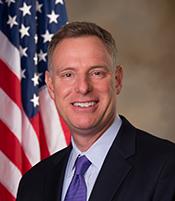
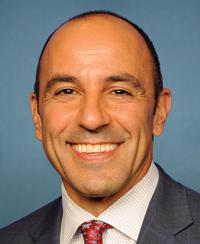
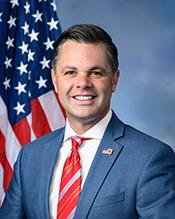
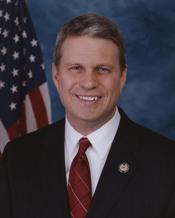
Sponsors and Cosponsors of HR 1092
Latest Bills
TRAPS Act
Bill HR 4936September 18, 2026
Apples to Apples Comparison Act of 2025
Bill HR 4093September 18, 2026
American Lending Fairness Act of 2026
Bill HR 7866September 18, 2026
Civil Investigative Demand Reform Act of 2025
Bill HR 1653September 18, 2026
American Reserve Modernization Act of 2026
Bill HR 8957September 18, 2026
Preventive Health Savings Act
Bill HR 4464September 18, 2026
PEARL Act
Bill HR 9327September 18, 2026
Medically Tailored Home-Delivered Meals Program Pilot Act
Bill HR 5439September 18, 2026
To designate the facility of the United States Postal Service located at 117 West Lovett Street in Charlotte, Michigan, as the "Francis C. Flaherty Post Office Building".
Bill HR 9570September 18, 2026
To designate the facility of the United States Postal Service located at 1019 Avenue H in Fort Madison, Iowa, as the "Martin L. Graber Post Office".
Bill HR 4707September 18, 2026