0
0
0
Jobs and Opportunities for Medicaid Act
3/6/2025, 9:06 AM
Summary of Bill HR 1059
Bill 119 hr 1059, also known as the Minimum Work Requirement for Medicaid Act, aims to make changes to the Social Security Act in order to require able-bodied adults enrolled in State Medicaid programs to meet a minimum work requirement. This bill is designed to encourage individuals to actively seek employment or participate in job training programs in order to maintain their Medicaid benefits.
The bill specifies that individuals between the ages of 18 and 64 who are considered able-bodied must work at least 20 hours per week, participate in job training, or engage in community service in order to remain eligible for Medicaid coverage. Exemptions are provided for individuals who are pregnant, disabled, caring for a young child, or experiencing a temporary hardship.
Supporters of the bill argue that implementing a work requirement will help individuals gain valuable job skills, increase their self-sufficiency, and reduce dependency on government assistance programs. They believe that this requirement will ultimately lead to a stronger workforce and a healthier economy. Opponents of the bill, however, argue that a work requirement may disproportionately impact low-income individuals who may face barriers to employment such as lack of transportation, childcare, or education. They also raise concerns about the potential for individuals to lose their Medicaid coverage if they are unable to meet the work requirement, which could result in negative health outcomes for vulnerable populations. Overall, Bill 119 hr 1059 represents a significant proposed change to the Medicaid program, with potential implications for millions of able-bodied adults enrolled in State Medicaid programs across the country. The bill is currently under consideration in Congress, and its fate will depend on the outcome of legislative debates and negotiations.
The bill specifies that individuals between the ages of 18 and 64 who are considered able-bodied must work at least 20 hours per week, participate in job training, or engage in community service in order to remain eligible for Medicaid coverage. Exemptions are provided for individuals who are pregnant, disabled, caring for a young child, or experiencing a temporary hardship.
Supporters of the bill argue that implementing a work requirement will help individuals gain valuable job skills, increase their self-sufficiency, and reduce dependency on government assistance programs. They believe that this requirement will ultimately lead to a stronger workforce and a healthier economy. Opponents of the bill, however, argue that a work requirement may disproportionately impact low-income individuals who may face barriers to employment such as lack of transportation, childcare, or education. They also raise concerns about the potential for individuals to lose their Medicaid coverage if they are unable to meet the work requirement, which could result in negative health outcomes for vulnerable populations. Overall, Bill 119 hr 1059 represents a significant proposed change to the Medicaid program, with potential implications for millions of able-bodied adults enrolled in State Medicaid programs across the country. The bill is currently under consideration in Congress, and its fate will depend on the outcome of legislative debates and negotiations.
Congressional Summary of HR 1059
Jobs and Opportunities for Medicaid Act
This bill establishes work requirements under Medicaid for able-bodied adults.
Specifically, the bill requires individuals who are between the ages of 18 and 65 and who are not otherwise unable to work due to a medical condition, family situation, or other listed reason to work or volunteer at least 20 hours per week, based on a monthly average, in order to qualify for Medicaid.
Read the Full Bill
Current Status of Bill HR 1059
Bill HR 1059 is currently in the status of Bill Introduced since February 6, 2025. Bill HR 1059 was introduced during Congress 119 and was introduced to the House on February 6, 2025. Bill HR 1059's most recent activity was Referred to the House Committee on Energy and Commerce. as of February 6, 2025
Bipartisan Support of Bill HR 1059
Total Number of Sponsors
4Democrat Sponsors
0Republican Sponsors
4Unaffiliated Sponsors
0Total Number of Cosponsors
1Democrat Cosponsors
0Republican Cosponsors
1Unaffiliated Cosponsors
0Policy Area and Potential Impact of Bill HR 1059
Primary Policy Focus
Alternate Title(s) of Bill HR 1059
To amend title XIX of the Social Security Act to implement a minimum work requirement for able-bodied adults enrolled in State Medicaid programs.
To amend title XIX of the Social Security Act to implement a minimum work requirement for able-bodied adults enrolled in State Medicaid programs.
Comments
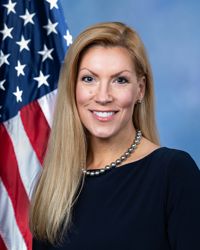
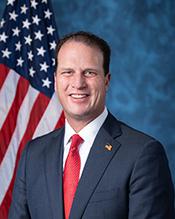
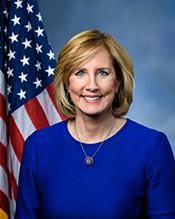
Sponsors and Cosponsors of HR 1059

Latest Bills
TRAPS Act
Bill HR 4936September 18, 2026
Apples to Apples Comparison Act of 2025
Bill HR 4093September 18, 2026
American Lending Fairness Act of 2026
Bill HR 7866September 18, 2026
Civil Investigative Demand Reform Act of 2025
Bill HR 1653September 18, 2026
American Reserve Modernization Act of 2026
Bill HR 8957September 18, 2026
Preventive Health Savings Act
Bill HR 4464September 18, 2026
PEARL Act
Bill HR 9327September 18, 2026
Medically Tailored Home-Delivered Meals Program Pilot Act
Bill HR 5439September 18, 2026
To designate the facility of the United States Postal Service located at 117 West Lovett Street in Charlotte, Michigan, as the "Francis C. Flaherty Post Office Building".
Bill HR 9570September 18, 2026
To designate the facility of the United States Postal Service located at 1019 Avenue H in Fort Madison, Iowa, as the "Martin L. Graber Post Office".
Bill HR 4707September 18, 2026