0
0
0
A bill to prohibit the use of funds to waive certain sanctions with respect to Iran.
4/16/2024, 1:15 PM
Summary of Bill S 4073
Bill 118 s 4073, also known as the "Iran Sanctions Prohibition Act," aims to prevent the use of funds to waive specific sanctions against Iran. The bill prohibits any government agency or official from using funds to waive sanctions related to Iran's nuclear program, support for terrorism, human rights abuses, or ballistic missile development.
The bill is designed to ensure that the United States maintains a strong stance against Iran's destabilizing activities and holds the country accountable for its actions. By prohibiting the use of funds to waive sanctions, the bill aims to prevent any weakening of the sanctions regime currently in place against Iran.
Supporters of the bill argue that maintaining strong sanctions against Iran is crucial for national security and regional stability. They believe that allowing waivers for certain sanctions could undermine the effectiveness of the sanctions regime and embolden Iran to continue its aggressive behavior. Opponents of the bill may argue that it limits the flexibility of the executive branch to conduct foreign policy and negotiate with Iran. They may also argue that the bill could hinder diplomatic efforts to address Iran's behavior and potentially escalate tensions between the two countries. Overall, Bill 118 s 4073 seeks to reinforce the existing sanctions against Iran and prevent any weakening of the measures in place. It reflects ongoing concerns about Iran's activities and the need to hold the country accountable for its actions.
The bill is designed to ensure that the United States maintains a strong stance against Iran's destabilizing activities and holds the country accountable for its actions. By prohibiting the use of funds to waive sanctions, the bill aims to prevent any weakening of the sanctions regime currently in place against Iran.
Supporters of the bill argue that maintaining strong sanctions against Iran is crucial for national security and regional stability. They believe that allowing waivers for certain sanctions could undermine the effectiveness of the sanctions regime and embolden Iran to continue its aggressive behavior. Opponents of the bill may argue that it limits the flexibility of the executive branch to conduct foreign policy and negotiate with Iran. They may also argue that the bill could hinder diplomatic efforts to address Iran's behavior and potentially escalate tensions between the two countries. Overall, Bill 118 s 4073 seeks to reinforce the existing sanctions against Iran and prevent any weakening of the measures in place. It reflects ongoing concerns about Iran's activities and the need to hold the country accountable for its actions.
Read the Full Bill
Current Status of Bill S 4073
Bill S 4073 is currently in the status of Bill Introduced since March 23, 2024. Bill S 4073 was introduced during Congress 118 and was introduced to the Senate on March 23, 2024. Bill S 4073's most recent activity was Read twice and referred to the Committee on Banking, Housing, and Urban Affairs. as of March 23, 2024
Bipartisan Support of Bill S 4073
Total Number of Sponsors
1Democrat Sponsors
0Republican Sponsors
1Unaffiliated Sponsors
0Total Number of Cosponsors
0Democrat Cosponsors
0Republican Cosponsors
0Unaffiliated Cosponsors
0Policy Area and Potential Impact of Bill S 4073
Primary Policy Focus
Alternate Title(s) of Bill S 4073
A bill to prohibit the use of funds to waive certain sanctions with respect to Iran.
A bill to prohibit the use of funds to waive certain sanctions with respect to Iran.
Comments
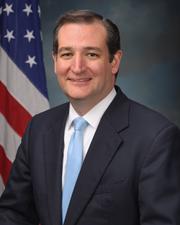
Sponsors and Cosponsors of S 4073
Latest Bills
TRAPS Act
Bill HR 4936September 18, 2026
Apples to Apples Comparison Act of 2025
Bill HR 4093September 18, 2026
American Lending Fairness Act of 2026
Bill HR 7866September 18, 2026
Civil Investigative Demand Reform Act of 2025
Bill HR 1653September 18, 2026
American Reserve Modernization Act of 2026
Bill HR 8957September 18, 2026
Preventive Health Savings Act
Bill HR 4464September 18, 2026
PEARL Act
Bill HR 9327September 18, 2026
Medically Tailored Home-Delivered Meals Program Pilot Act
Bill HR 5439September 18, 2026
To designate the facility of the United States Postal Service located at 117 West Lovett Street in Charlotte, Michigan, as the "Francis C. Flaherty Post Office Building".
Bill HR 9570September 18, 2026
To designate the facility of the United States Postal Service located at 1019 Avenue H in Fort Madison, Iowa, as the "Martin L. Graber Post Office".
Bill HR 4707September 18, 2026