0
0
0
End Aerial Invasion Act
3/26/2024, 4:13 AM
Summary of Bill S 3898
Bill 118 s 3898, also known as the End Aerial Invasion Act, is a piece of legislation currently being considered by the US Congress. The purpose of this bill is to address the issue of unauthorized aerial surveillance and invasion of privacy by drones and other unmanned aircraft.
If passed, the End Aerial Invasion Act would establish strict regulations on the use of drones for surveillance purposes. It would require individuals and organizations to obtain a warrant before conducting any aerial surveillance, except in cases of emergency or national security. The bill also includes provisions for penalties for those who violate these regulations, including fines and potential imprisonment.
Additionally, the End Aerial Invasion Act would require all drones to be registered with the Federal Aviation Administration (FAA) and equipped with technology that prevents them from flying into restricted airspace, such as around government buildings or private residences. Overall, the goal of Bill 118 s 3898 is to protect the privacy and security of individuals from unauthorized aerial surveillance. It aims to strike a balance between the benefits of drone technology and the need to safeguard civil liberties.
If passed, the End Aerial Invasion Act would establish strict regulations on the use of drones for surveillance purposes. It would require individuals and organizations to obtain a warrant before conducting any aerial surveillance, except in cases of emergency or national security. The bill also includes provisions for penalties for those who violate these regulations, including fines and potential imprisonment.
Additionally, the End Aerial Invasion Act would require all drones to be registered with the Federal Aviation Administration (FAA) and equipped with technology that prevents them from flying into restricted airspace, such as around government buildings or private residences. Overall, the goal of Bill 118 s 3898 is to protect the privacy and security of individuals from unauthorized aerial surveillance. It aims to strike a balance between the benefits of drone technology and the need to safeguard civil liberties.
Read the Full Bill
Current Status of Bill S 3898
Bill S 3898 is currently in the status of Bill Introduced since March 11, 2024. Bill S 3898 was introduced during Congress 118 and was introduced to the Senate on March 11, 2024. Bill S 3898's most recent activity was Read twice and referred to the Committee on Commerce, Science, and Transportation. as of March 11, 2024
Bipartisan Support of Bill S 3898
Total Number of Sponsors
1Democrat Sponsors
0Republican Sponsors
1Unaffiliated Sponsors
0Total Number of Cosponsors
2Democrat Cosponsors
0Republican Cosponsors
2Unaffiliated Cosponsors
0Policy Area and Potential Impact of Bill S 3898
Primary Policy Focus
Transportation and Public WorksAlternate Title(s) of Bill S 3898
End Aerial Invasion Act
End Aerial Invasion Act
A bill to amend title 49, United States Code, to permanently prohibit operations at Reagan Washington National Airport for air carriers that provide, or facilitate the provision of, transportation of any alien using the CBP One Mobile Application for the purposes of identification.
A bill to amend title 49, United States Code, to permanently prohibit operations at Reagan Washington National Airport for air carriers that provide, or facilitate the provision of, transportation of any alien using the CBP One Mobile Application for the purposes of identification.
Comments
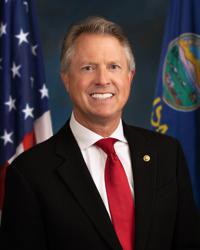
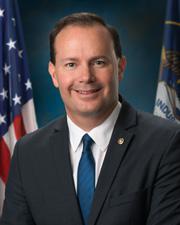
Sponsors and Cosponsors of S 3898
Latest Bills
TRAPS Act
Bill HR 4936September 18, 2026
Apples to Apples Comparison Act of 2025
Bill HR 4093September 18, 2026
American Lending Fairness Act of 2026
Bill HR 7866September 18, 2026
Civil Investigative Demand Reform Act of 2025
Bill HR 1653September 18, 2026
American Reserve Modernization Act of 2026
Bill HR 8957September 18, 2026
Preventive Health Savings Act
Bill HR 4464September 18, 2026
PEARL Act
Bill HR 9327September 18, 2026
Medically Tailored Home-Delivered Meals Program Pilot Act
Bill HR 5439September 18, 2026
To designate the facility of the United States Postal Service located at 117 West Lovett Street in Charlotte, Michigan, as the "Francis C. Flaherty Post Office Building".
Bill HR 9570September 18, 2026
To designate the facility of the United States Postal Service located at 1019 Avenue H in Fort Madison, Iowa, as the "Martin L. Graber Post Office".
Bill HR 4707September 18, 2026