0
0
0
Felony Murder for Deadly Fentanyl Distribution Act of 2023
3/13/2024, 7:29 AM
Summary of Bill S 380
Bill 118 s 380, also known as the Felony Murder for Deadly Fentanyl Distribution Act of 2023, is a piece of legislation currently being considered by the US Congress. The bill aims to address the growing issue of fentanyl-related deaths by imposing harsher penalties on individuals who distribute the deadly drug.
Under the provisions of the bill, individuals who distribute fentanyl that results in a death could be charged with felony murder. This means that they could be held criminally responsible for the death, even if they did not intend for the individual to die. This is a significant departure from current laws, which often require prosecutors to prove intent in order to secure a murder conviction.
Supporters of the bill argue that it is necessary to hold drug dealers accountable for the harm they cause, particularly in cases where fentanyl is involved. Fentanyl is an extremely potent opioid that has been responsible for a growing number of overdose deaths in recent years. By imposing stricter penalties on those who distribute the drug, supporters believe that the bill could help deter individuals from selling fentanyl and ultimately save lives. Critics of the bill, however, have raised concerns about the potential for unintended consequences. They argue that the bill could disproportionately impact low-level drug dealers and individuals struggling with addiction, rather than targeting major drug traffickers. Critics also worry that the bill could discourage individuals from seeking help in cases of overdose, for fear of facing criminal charges. Overall, Bill 118 s 380 represents a significant effort to address the deadly impact of fentanyl distribution in the United States. As the bill continues to make its way through Congress, lawmakers will need to carefully consider the potential implications of the legislation and weigh the need for accountability against concerns about fairness and unintended consequences.
Under the provisions of the bill, individuals who distribute fentanyl that results in a death could be charged with felony murder. This means that they could be held criminally responsible for the death, even if they did not intend for the individual to die. This is a significant departure from current laws, which often require prosecutors to prove intent in order to secure a murder conviction.
Supporters of the bill argue that it is necessary to hold drug dealers accountable for the harm they cause, particularly in cases where fentanyl is involved. Fentanyl is an extremely potent opioid that has been responsible for a growing number of overdose deaths in recent years. By imposing stricter penalties on those who distribute the drug, supporters believe that the bill could help deter individuals from selling fentanyl and ultimately save lives. Critics of the bill, however, have raised concerns about the potential for unintended consequences. They argue that the bill could disproportionately impact low-level drug dealers and individuals struggling with addiction, rather than targeting major drug traffickers. Critics also worry that the bill could discourage individuals from seeking help in cases of overdose, for fear of facing criminal charges. Overall, Bill 118 s 380 represents a significant effort to address the deadly impact of fentanyl distribution in the United States. As the bill continues to make its way through Congress, lawmakers will need to carefully consider the potential implications of the legislation and weigh the need for accountability against concerns about fairness and unintended consequences.
Congressional Summary of S 380
Felony Murder for Deadly Fentanyl Distribution Act of 2023
This bill makes the distribution of fentanyl resulting in death a first degree murder.
An individual who is guilty of first degree murder by distributing fentanyl is subject to death or life in prison.
Read the Full Bill
Current Status of Bill S 380
Bill S 380 is currently in the status of Bill Introduced since February 9, 2023. Bill S 380 was introduced during Congress 118 and was introduced to the Senate on February 9, 2023. Bill S 380's most recent activity was Read twice and referred to the Committee on the Judiciary. as of February 9, 2023
Bipartisan Support of Bill S 380
Total Number of Sponsors
1Democrat Sponsors
0Republican Sponsors
1Unaffiliated Sponsors
0Total Number of Cosponsors
38Democrat Cosponsors
0Republican Cosponsors
38Unaffiliated Cosponsors
0Policy Area and Potential Impact of Bill S 380
Primary Policy Focus
Crime and Law EnforcementPotential Impact Areas
- Criminal procedure and sentencing
- Drug trafficking and controlled substances
- Violent crime
Alternate Title(s) of Bill S 380
Felony Murder for Deadly Fentanyl Distribution Act of 2023
Felony Murder for Deadly Fentanyl Distribution Act of 2023
A bill to amend title 18, United States Code, to punish the distribution of fentanyl resulting in death as felony murder.
Comments
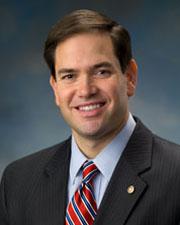
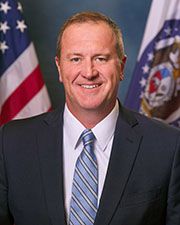
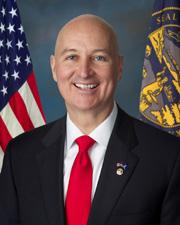
Sponsors and Cosponsors of S 380



Latest Bills
TRAPS Act
Bill HR 4936September 18, 2026
Apples to Apples Comparison Act of 2025
Bill HR 4093September 18, 2026
American Lending Fairness Act of 2026
Bill HR 7866September 18, 2026
Civil Investigative Demand Reform Act of 2025
Bill HR 1653September 18, 2026
American Reserve Modernization Act of 2026
Bill HR 8957September 18, 2026
Preventive Health Savings Act
Bill HR 4464September 18, 2026
PEARL Act
Bill HR 9327September 18, 2026
Medically Tailored Home-Delivered Meals Program Pilot Act
Bill HR 5439September 18, 2026
To designate the facility of the United States Postal Service located at 117 West Lovett Street in Charlotte, Michigan, as the "Francis C. Flaherty Post Office Building".
Bill HR 9570September 18, 2026
To designate the facility of the United States Postal Service located at 1019 Avenue H in Fort Madison, Iowa, as the "Martin L. Graber Post Office".
Bill HR 4707September 18, 2026
Felony Murder for Deadly Fentanyl Distribution Act of 2023
Bill HR 916January 18, 2024