0
0
0
District of Columbia Courts Judicial Vacancy Reduction Act
12/7/2023, 5:06 PM
Summary of Bill S 2420
Bill 118 s 2420, also known as the District of Columbia Courts Judicial Vacancy Reduction Act, aims to address the issue of judicial vacancies within the District of Columbia courts. The bill specifically focuses on reducing the number of vacancies in the Superior Court of the District of Columbia and the District of Columbia Court of Appeals.
The bill outlines a plan to expedite the nomination and confirmation process for judicial vacancies in these courts. It sets specific timelines for the President to nominate individuals to fill these vacancies and for the Senate to confirm these nominees. The goal is to ensure that these courts are fully staffed and able to efficiently handle their caseloads.
Additionally, the bill includes provisions to increase transparency and accountability in the nomination and confirmation process. It requires the President to provide detailed justifications for any delays in nominating individuals to fill judicial vacancies, and it mandates regular reporting on the status of these nominations to Congress. Overall, the District of Columbia Courts Judicial Vacancy Reduction Act is aimed at improving the functioning of the District of Columbia courts by reducing the number of vacancies and ensuring a timely and transparent nomination and confirmation process for judicial nominees.
The bill outlines a plan to expedite the nomination and confirmation process for judicial vacancies in these courts. It sets specific timelines for the President to nominate individuals to fill these vacancies and for the Senate to confirm these nominees. The goal is to ensure that these courts are fully staffed and able to efficiently handle their caseloads.
Additionally, the bill includes provisions to increase transparency and accountability in the nomination and confirmation process. It requires the President to provide detailed justifications for any delays in nominating individuals to fill judicial vacancies, and it mandates regular reporting on the status of these nominations to Congress. Overall, the District of Columbia Courts Judicial Vacancy Reduction Act is aimed at improving the functioning of the District of Columbia courts by reducing the number of vacancies and ensuring a timely and transparent nomination and confirmation process for judicial nominees.
Current Status of Bill S 2420
Bill S 2420 is currently in the status of Bill Introduced since July 20, 2023. Bill S 2420 was introduced during Congress 118 and was introduced to the Senate on July 20, 2023. Bill S 2420's most recent activity was Read twice and referred to the Committee on Homeland Security and Governmental Affairs. as of July 20, 2023
Bipartisan Support of Bill S 2420
Total Number of Sponsors
1Democrat Sponsors
1Republican Sponsors
0Unaffiliated Sponsors
0Total Number of Cosponsors
8Democrat Cosponsors
8Republican Cosponsors
0Unaffiliated Cosponsors
0Policy Area and Potential Impact of Bill S 2420
Primary Policy Focus
LawComments
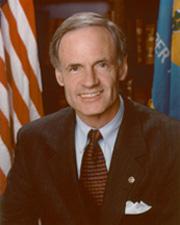
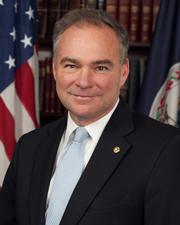
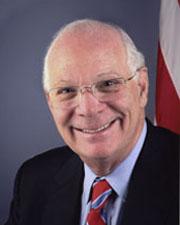
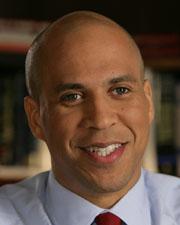
Sponsors and Cosponsors of S 2420

Latest Bills
TRAPS Act
Bill HR 4936September 18, 2026
Apples to Apples Comparison Act of 2025
Bill HR 4093September 18, 2026
American Lending Fairness Act of 2026
Bill HR 7866September 18, 2026
Civil Investigative Demand Reform Act of 2025
Bill HR 1653September 18, 2026
American Reserve Modernization Act of 2026
Bill HR 8957September 18, 2026
Preventive Health Savings Act
Bill HR 4464September 18, 2026
PEARL Act
Bill HR 9327September 18, 2026
Medically Tailored Home-Delivered Meals Program Pilot Act
Bill HR 5439September 18, 2026
To designate the facility of the United States Postal Service located at 117 West Lovett Street in Charlotte, Michigan, as the "Francis C. Flaherty Post Office Building".
Bill HR 9570September 18, 2026
To designate the facility of the United States Postal Service located at 1019 Avenue H in Fort Madison, Iowa, as the "Martin L. Graber Post Office".
Bill HR 4707September 18, 2026
District of Columbia Courts Judicial Vacancy Reduction Act
Bill HR 483February 4, 2025