0
0
0
No Robot Bosses Act
12/7/2023, 5:06 PM
Summary of Bill S 2419
The No Robot Bosses Act, also known as Bill 118 s 2419, is a piece of legislation currently being considered in the US Congress. The purpose of this bill is to prohibit the use of artificial intelligence or robotics to supervise or manage employees in the workplace.
If passed, the No Robot Bosses Act would make it illegal for companies to use AI or robots to make decisions about hiring, firing, promotions, or any other aspect of employee management. The bill aims to protect workers from potential job loss or unfair treatment that could result from being supervised by non-human entities.
Supporters of the No Robot Bosses Act argue that allowing AI or robots to act as supervisors could lead to a lack of accountability and transparency in the workplace, as well as potential discrimination against certain groups of employees. They believe that human supervisors are essential for maintaining a fair and just work environment. Opponents of the bill, however, argue that AI and robotics can improve efficiency and productivity in the workplace, and that banning their use as supervisors could hinder technological advancements and innovation. They also point out that some industries, such as manufacturing and logistics, already heavily rely on automation for supervision and management tasks. Overall, the No Robot Bosses Act is a controversial piece of legislation that raises important questions about the role of technology in the workplace and the rights of workers. It remains to be seen whether or not this bill will be passed into law.
If passed, the No Robot Bosses Act would make it illegal for companies to use AI or robots to make decisions about hiring, firing, promotions, or any other aspect of employee management. The bill aims to protect workers from potential job loss or unfair treatment that could result from being supervised by non-human entities.
Supporters of the No Robot Bosses Act argue that allowing AI or robots to act as supervisors could lead to a lack of accountability and transparency in the workplace, as well as potential discrimination against certain groups of employees. They believe that human supervisors are essential for maintaining a fair and just work environment. Opponents of the bill, however, argue that AI and robotics can improve efficiency and productivity in the workplace, and that banning their use as supervisors could hinder technological advancements and innovation. They also point out that some industries, such as manufacturing and logistics, already heavily rely on automation for supervision and management tasks. Overall, the No Robot Bosses Act is a controversial piece of legislation that raises important questions about the role of technology in the workplace and the rights of workers. It remains to be seen whether or not this bill will be passed into law.
Read the Full Bill
Current Status of Bill S 2419
Bill S 2419 is currently in the status of Bill Introduced since July 20, 2023. Bill S 2419 was introduced during Congress 118 and was introduced to the Senate on July 20, 2023. Bill S 2419's most recent activity was Read twice and referred to the Committee on Health, Education, Labor, and Pensions. as of July 20, 2023
Bipartisan Support of Bill S 2419
Total Number of Sponsors
1Democrat Sponsors
1Republican Sponsors
0Unaffiliated Sponsors
0Total Number of Cosponsors
8Democrat Cosponsors
6Republican Cosponsors
0Unaffiliated Cosponsors
2Policy Area and Potential Impact of Bill S 2419
Primary Policy Focus
Labor and EmploymentAlternate Title(s) of Bill S 2419
No Robot Bosses Act
No Robot Bosses Act
A bill to prohibit certain uses of automated decision systems by employers, and for other purposes.
Comments
Sponsors and Cosponsors of S 2419
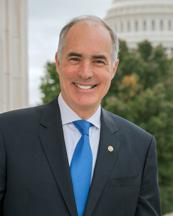

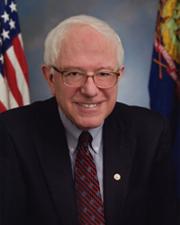

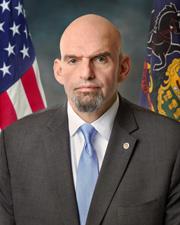
Latest Bills
TRAPS Act
Bill HR 4936September 18, 2026
Apples to Apples Comparison Act of 2025
Bill HR 4093September 18, 2026
American Lending Fairness Act of 2026
Bill HR 7866September 18, 2026
Civil Investigative Demand Reform Act of 2025
Bill HR 1653September 18, 2026
American Reserve Modernization Act of 2026
Bill HR 8957September 18, 2026
Preventive Health Savings Act
Bill HR 4464September 18, 2026
PEARL Act
Bill HR 9327September 18, 2026
Medically Tailored Home-Delivered Meals Program Pilot Act
Bill HR 5439September 18, 2026
To designate the facility of the United States Postal Service located at 117 West Lovett Street in Charlotte, Michigan, as the "Francis C. Flaherty Post Office Building".
Bill HR 9570September 18, 2026
To designate the facility of the United States Postal Service located at 1019 Avenue H in Fort Madison, Iowa, as the "Martin L. Graber Post Office".
Bill HR 4707September 18, 2026