0
0
0
AI LEAD Act
10/4/2024, 8:11 PM
Summary of Bill S 2293
The AI LEAD Act, also known as Bill 118 s 2293, is a piece of legislation introduced in the US Congress that aims to promote the development and adoption of artificial intelligence (AI) technology in the United States. The bill focuses on three main areas: research and development, workforce development, and national security.
In terms of research and development, the AI LEAD Act seeks to increase funding for AI research and development initiatives within federal agencies. This includes funding for research grants, fellowships, and other programs aimed at advancing AI technology. The bill also calls for the establishment of a National AI Research Resource Task Force to coordinate and prioritize AI research efforts across different agencies.
The AI LEAD Act also addresses the need for a skilled AI workforce in the United States. The bill proposes the creation of a National AI Workforce Development Program, which would provide funding for training programs, apprenticeships, and other initiatives to help individuals develop the skills needed to work in the AI field. Additionally, the bill calls for the establishment of a National AI Workforce Council to advise on workforce development strategies and initiatives. Finally, the AI LEAD Act includes provisions related to national security and AI technology. The bill directs the Secretary of Defense to develop a strategy for integrating AI technology into military operations and to establish a Joint AI Center within the Department of Defense. The bill also calls for the creation of a National Security Commission on AI to assess the implications of AI technology for national security and make recommendations for policy and strategy. Overall, the AI LEAD Act is aimed at promoting the development and adoption of AI technology in the United States, with a focus on research and development, workforce development, and national security. The bill seeks to position the United States as a leader in AI technology and ensure that the country remains competitive in this rapidly evolving field.
In terms of research and development, the AI LEAD Act seeks to increase funding for AI research and development initiatives within federal agencies. This includes funding for research grants, fellowships, and other programs aimed at advancing AI technology. The bill also calls for the establishment of a National AI Research Resource Task Force to coordinate and prioritize AI research efforts across different agencies.
The AI LEAD Act also addresses the need for a skilled AI workforce in the United States. The bill proposes the creation of a National AI Workforce Development Program, which would provide funding for training programs, apprenticeships, and other initiatives to help individuals develop the skills needed to work in the AI field. Additionally, the bill calls for the establishment of a National AI Workforce Council to advise on workforce development strategies and initiatives. Finally, the AI LEAD Act includes provisions related to national security and AI technology. The bill directs the Secretary of Defense to develop a strategy for integrating AI technology into military operations and to establish a Joint AI Center within the Department of Defense. The bill also calls for the creation of a National Security Commission on AI to assess the implications of AI technology for national security and make recommendations for policy and strategy. Overall, the AI LEAD Act is aimed at promoting the development and adoption of AI technology in the United States, with a focus on research and development, workforce development, and national security. The bill seeks to position the United States as a leader in AI technology and ensure that the country remains competitive in this rapidly evolving field.
Read the Full Bill
Current Status of Bill S 2293
Bill S 2293 is currently in the status of Bill Introduced since July 13, 2023. Bill S 2293 was introduced during Congress 118 and was introduced to the Senate on July 13, 2023. Bill S 2293's most recent activity was Placed on Senate Legislative Calendar under General Orders. Calendar No. 495. as of September 10, 2024
Bipartisan Support of Bill S 2293
Total Number of Sponsors
1Democrat Sponsors
1Republican Sponsors
0Unaffiliated Sponsors
0Total Number of Cosponsors
2Democrat Cosponsors
0Republican Cosponsors
2Unaffiliated Cosponsors
0Policy Area and Potential Impact of Bill S 2293
Primary Policy Focus
Government Operations and PoliticsPotential Impact Areas
- Advanced technology and technological innovations
- Advisory bodies
- Computers and information technology
- Congressional oversight
- Executive agency funding and structure
- Government information and archives
- Government studies and investigations
- Office of Management and Budget (OMB)
- Technology assessment
Alternate Title(s) of Bill S 2293
AI LEAD Act
AI Leadership To Enable Accountable Deployment Act
AI LEAD Act
AI LEAD Act
AI Leadership To Enable Accountable Deployment Act
A bill to establish the Chief Artificial Intelligence Officers Council, Chief Artificial Intelligence Officers, and Artificial Intelligence Governance Boards, and for other purposes.
Comments
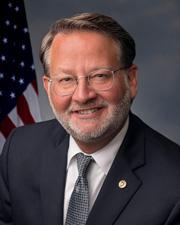
Sponsors and Cosponsors of S 2293

Latest Bills
TRAPS Act
Bill HR 4936September 18, 2026
Apples to Apples Comparison Act of 2025
Bill HR 4093September 18, 2026
American Lending Fairness Act of 2026
Bill HR 7866September 18, 2026
Civil Investigative Demand Reform Act of 2025
Bill HR 1653September 18, 2026
American Reserve Modernization Act of 2026
Bill HR 8957September 18, 2026
Preventive Health Savings Act
Bill HR 4464September 18, 2026
PEARL Act
Bill HR 9327September 18, 2026
Medically Tailored Home-Delivered Meals Program Pilot Act
Bill HR 5439September 18, 2026
To designate the facility of the United States Postal Service located at 117 West Lovett Street in Charlotte, Michigan, as the "Francis C. Flaherty Post Office Building".
Bill HR 9570September 18, 2026
To designate the facility of the United States Postal Service located at 1019 Avenue H in Fort Madison, Iowa, as the "Martin L. Graber Post Office".
Bill HR 4707September 18, 2026