0
0
0
A bill to require agencies submit zero-based budgets.
12/15/2023, 4:05 PM
Summary of Bill S 201
Bill 118 s 201, also known as the Zero-Based Budgeting Act, is a proposed piece of legislation in the US Congress that aims to require federal agencies to submit zero-based budgets. Zero-based budgeting is a budgeting process where each department or program's budget starts from zero each year, and must justify every dollar requested, rather than simply basing the budget on the previous year's funding levels.
The bill would mandate that federal agencies go through a thorough review of their budgets, identifying and justifying every expense in order to ensure that taxpayer dollars are being spent efficiently and effectively. This process would help to eliminate wasteful spending and ensure that funds are allocated to programs and initiatives that are truly necessary and beneficial.
Supporters of the bill argue that zero-based budgeting promotes fiscal responsibility and accountability, as it forces agencies to prioritize their spending and justify their budget requests. By requiring agencies to start from scratch each year, it also encourages them to constantly evaluate and improve their operations, leading to more efficient use of taxpayer dollars. Opponents of the bill may argue that implementing zero-based budgeting could be time-consuming and resource-intensive for agencies, potentially diverting attention and resources away from their core missions. They may also argue that the process could be overly burdensome and bureaucratic, leading to delays in funding and implementation of important programs. Overall, Bill 118 s 201 represents an effort to improve the budgeting process within federal agencies and ensure that taxpayer dollars are being spent wisely. It will be important for Congress to carefully consider the potential benefits and drawbacks of zero-based budgeting as they debate and ultimately vote on this legislation.
The bill would mandate that federal agencies go through a thorough review of their budgets, identifying and justifying every expense in order to ensure that taxpayer dollars are being spent efficiently and effectively. This process would help to eliminate wasteful spending and ensure that funds are allocated to programs and initiatives that are truly necessary and beneficial.
Supporters of the bill argue that zero-based budgeting promotes fiscal responsibility and accountability, as it forces agencies to prioritize their spending and justify their budget requests. By requiring agencies to start from scratch each year, it also encourages them to constantly evaluate and improve their operations, leading to more efficient use of taxpayer dollars. Opponents of the bill may argue that implementing zero-based budgeting could be time-consuming and resource-intensive for agencies, potentially diverting attention and resources away from their core missions. They may also argue that the process could be overly burdensome and bureaucratic, leading to delays in funding and implementation of important programs. Overall, Bill 118 s 201 represents an effort to improve the budgeting process within federal agencies and ensure that taxpayer dollars are being spent wisely. It will be important for Congress to carefully consider the potential benefits and drawbacks of zero-based budgeting as they debate and ultimately vote on this legislation.
Congressional Summary of S 201
This bill requires federal agencies to submit zero-based budgets to the Office of Management and Budget and the congressional budget committees. A zero-based budget is a systematic budget analysis in which managers (1) examine current objectives, operations, and costs; (2) consider alternative ways of carrying out programs or activities; and (3) rank different programs or activities by order of importance.
The bill also requires federal agencies to submit recommendations to reduce spending by at least 2% from the previous year's levels. The Department of Defense and the National Nuclear Security Administration are exempt from this requirement.
Read the Full Bill
Current Status of Bill S 201
Bill S 201 is currently in the status of Bill Introduced since February 1, 2023. Bill S 201 was introduced during Congress 118 and was introduced to the Senate on February 1, 2023. Bill S 201's most recent activity was Read twice and referred to the Committee on Homeland Security and Governmental Affairs. as of February 1, 2023
Bipartisan Support of Bill S 201
Total Number of Sponsors
1Democrat Sponsors
0Republican Sponsors
1Unaffiliated Sponsors
0Total Number of Cosponsors
10Democrat Cosponsors
0Republican Cosponsors
10Unaffiliated Cosponsors
0Policy Area and Potential Impact of Bill S 201
Primary Policy Focus
Economics and Public FinancePotential Impact Areas
- Appropriations
- Budget deficits and national debt
- Budget process
- Congressional oversight
- Executive agency funding and structure
Alternate Title(s) of Bill S 201
A bill to require agencies submit zero-based budgets.
A bill to require agencies submit zero-based budgets.
Comments
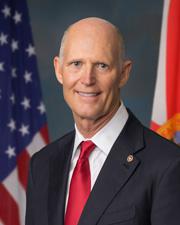
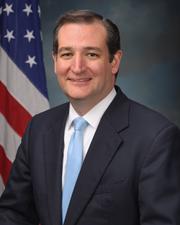
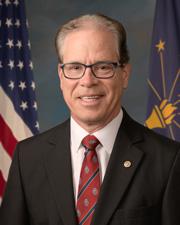
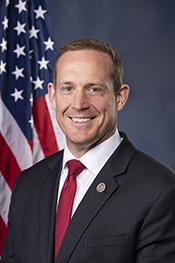
Sponsors and Cosponsors of S 201


Latest Bills
TRAPS Act
Bill HR 4936September 18, 2026
Apples to Apples Comparison Act of 2025
Bill HR 4093September 18, 2026
American Lending Fairness Act of 2026
Bill HR 7866September 18, 2026
Civil Investigative Demand Reform Act of 2025
Bill HR 1653September 18, 2026
American Reserve Modernization Act of 2026
Bill HR 8957September 18, 2026
Preventive Health Savings Act
Bill HR 4464September 18, 2026
PEARL Act
Bill HR 9327September 18, 2026
Medically Tailored Home-Delivered Meals Program Pilot Act
Bill HR 5439September 18, 2026
To designate the facility of the United States Postal Service located at 117 West Lovett Street in Charlotte, Michigan, as the "Francis C. Flaherty Post Office Building".
Bill HR 9570September 18, 2026
To designate the facility of the United States Postal Service located at 1019 Avenue H in Fort Madison, Iowa, as the "Martin L. Graber Post Office".
Bill HR 4707September 18, 2026