0
0
0
Clean Shipping Act of 2023
3/12/2024, 3:50 PM
Summary of Bill S 1917
Bill 118 s 1917, also known as the Clean Shipping Act of 2023, is a piece of legislation currently being considered by the US Congress. The main goal of this bill is to reduce the environmental impact of shipping vessels on the oceans and waterways of the United States.
The Clean Shipping Act of 2023 includes several key provisions aimed at achieving this goal. One of the main provisions of the bill is the establishment of stricter emissions standards for shipping vessels operating in US waters. These standards would require ships to reduce their emissions of harmful pollutants, such as sulfur dioxide and nitrogen oxides, in order to protect the health of both marine life and humans living near the coast.
Additionally, the bill includes measures to promote the use of cleaner fuels and technologies in the shipping industry. This includes incentives for ships to switch to alternative fuels, such as liquefied natural gas or hydrogen, which produce fewer emissions than traditional fossil fuels. The bill also encourages the development and adoption of new technologies, such as scrubbers and catalytic converters, to further reduce emissions from shipping vessels. Furthermore, the Clean Shipping Act of 2023 includes provisions to improve the monitoring and enforcement of environmental regulations in the shipping industry. This includes increased inspections of ships to ensure compliance with emissions standards, as well as penalties for violators who fail to meet these requirements. Overall, the Clean Shipping Act of 2023 represents a significant step towards reducing the environmental impact of shipping vessels in US waters. By establishing stricter emissions standards, promoting the use of cleaner fuels and technologies, and improving monitoring and enforcement measures, this bill aims to protect the health of our oceans and waterways for future generations.
The Clean Shipping Act of 2023 includes several key provisions aimed at achieving this goal. One of the main provisions of the bill is the establishment of stricter emissions standards for shipping vessels operating in US waters. These standards would require ships to reduce their emissions of harmful pollutants, such as sulfur dioxide and nitrogen oxides, in order to protect the health of both marine life and humans living near the coast.
Additionally, the bill includes measures to promote the use of cleaner fuels and technologies in the shipping industry. This includes incentives for ships to switch to alternative fuels, such as liquefied natural gas or hydrogen, which produce fewer emissions than traditional fossil fuels. The bill also encourages the development and adoption of new technologies, such as scrubbers and catalytic converters, to further reduce emissions from shipping vessels. Furthermore, the Clean Shipping Act of 2023 includes provisions to improve the monitoring and enforcement of environmental regulations in the shipping industry. This includes increased inspections of ships to ensure compliance with emissions standards, as well as penalties for violators who fail to meet these requirements. Overall, the Clean Shipping Act of 2023 represents a significant step towards reducing the environmental impact of shipping vessels in US waters. By establishing stricter emissions standards, promoting the use of cleaner fuels and technologies, and improving monitoring and enforcement measures, this bill aims to protect the health of our oceans and waterways for future generations.
Read the Full Bill
Current Status of Bill S 1917
Bill S 1917 is currently in the status of Bill Introduced since June 8, 2023. Bill S 1917 was introduced during Congress 118 and was introduced to the Senate on June 8, 2023. Bill S 1917's most recent activity was Read twice and referred to the Committee on Environment and Public Works. (Sponsor introductory remarks on measure: CR S2032-2033) as of June 8, 2023
Bipartisan Support of Bill S 1917
Total Number of Sponsors
1Democrat Sponsors
1Republican Sponsors
0Unaffiliated Sponsors
0Total Number of Cosponsors
14Democrat Cosponsors
14Republican Cosponsors
0Unaffiliated Cosponsors
0Policy Area and Potential Impact of Bill S 1917
Primary Policy Focus
Environmental ProtectionPotential Impact Areas
- Air quality
- Climate change and greenhouse gases
- Environmental regulatory procedures
- Environmental technology
- Marine and inland water transportation
- Motor fuels
- Navigation, waterways, harbors
- Performance measurement
Alternate Title(s) of Bill S 1917
Clean Shipping Act of 2023
Clean Shipping Act of 2023
A bill to amend the Clean Air Act to provide for the establishment of standards to limit the carbon intensity of the fuel used by certain vessels, and for other purposes.
Comments
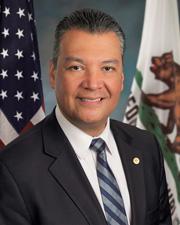
Sponsors and Cosponsors of S 1917





Latest Bills
TRAPS Act
Bill HR 4936September 18, 2026
Apples to Apples Comparison Act of 2025
Bill HR 4093September 18, 2026
American Lending Fairness Act of 2026
Bill HR 7866September 18, 2026
Civil Investigative Demand Reform Act of 2025
Bill HR 1653September 18, 2026
American Reserve Modernization Act of 2026
Bill HR 8957September 18, 2026
Preventive Health Savings Act
Bill HR 4464September 18, 2026
PEARL Act
Bill HR 9327September 18, 2026
Medically Tailored Home-Delivered Meals Program Pilot Act
Bill HR 5439September 18, 2026
To designate the facility of the United States Postal Service located at 117 West Lovett Street in Charlotte, Michigan, as the "Francis C. Flaherty Post Office Building".
Bill HR 9570September 18, 2026
To designate the facility of the United States Postal Service located at 1019 Avenue H in Fort Madison, Iowa, as the "Martin L. Graber Post Office".
Bill HR 4707September 18, 2026
Clean Shipping Act of 2023
Bill HR 4024December 15, 2023