0
0
0
Agriculture PFAS Liability Protection Act of 2023
1/11/2024, 9:00 PM
Summary of Bill S 1427
The Agriculture PFAS Liability Protection Act of 2023, also known as Bill 118 s 1427, is a piece of legislation currently being considered by the US Congress. The bill aims to provide liability protection for farmers who unknowingly use products containing per- and polyfluoroalkyl substances (PFAS) in their agricultural operations.
PFAS are a group of man-made chemicals that have been linked to various health issues, including cancer and reproductive problems. These chemicals are commonly found in products such as non-stick cookware, stain-resistant fabrics, and firefighting foam. However, they can also be present in certain fertilizers, pesticides, and other agricultural products.
The Agriculture PFAS Liability Protection Act of 2023 seeks to shield farmers from legal liability if they inadvertently use products containing PFAS in their farming practices. The bill would provide immunity to farmers who can demonstrate that they were not aware of the presence of PFAS in the products they used, and that they followed all applicable regulations and guidelines. Supporters of the bill argue that it is necessary to protect farmers from potentially ruinous lawsuits that could arise from unknowingly using PFAS-containing products. They believe that farmers should not be held responsible for the actions of manufacturers who fail to disclose the presence of harmful chemicals in their products. Opponents of the bill, however, raise concerns about the potential environmental and health risks associated with PFAS exposure in agriculture. They argue that the bill could incentivize the continued use of PFAS-containing products in farming, leading to further contamination of soil, water, and food sources. Overall, the Agriculture PFAS Liability Protection Act of 2023 is a complex and contentious piece of legislation that raises important questions about the balance between protecting farmers and safeguarding public health and the environment. Its fate in Congress remains uncertain as lawmakers continue to debate its merits and drawbacks.
PFAS are a group of man-made chemicals that have been linked to various health issues, including cancer and reproductive problems. These chemicals are commonly found in products such as non-stick cookware, stain-resistant fabrics, and firefighting foam. However, they can also be present in certain fertilizers, pesticides, and other agricultural products.
The Agriculture PFAS Liability Protection Act of 2023 seeks to shield farmers from legal liability if they inadvertently use products containing PFAS in their farming practices. The bill would provide immunity to farmers who can demonstrate that they were not aware of the presence of PFAS in the products they used, and that they followed all applicable regulations and guidelines. Supporters of the bill argue that it is necessary to protect farmers from potentially ruinous lawsuits that could arise from unknowingly using PFAS-containing products. They believe that farmers should not be held responsible for the actions of manufacturers who fail to disclose the presence of harmful chemicals in their products. Opponents of the bill, however, raise concerns about the potential environmental and health risks associated with PFAS exposure in agriculture. They argue that the bill could incentivize the continued use of PFAS-containing products in farming, leading to further contamination of soil, water, and food sources. Overall, the Agriculture PFAS Liability Protection Act of 2023 is a complex and contentious piece of legislation that raises important questions about the balance between protecting farmers and safeguarding public health and the environment. Its fate in Congress remains uncertain as lawmakers continue to debate its merits and drawbacks.
Congressional Summary of S 1427
Agriculture PFAS Liability Protection Act of 2023
This bill exempts producers and harvesters of agricultural products from liability under the Comprehensive Environmental Response, Compensation, and Liability Act of 1980 (CERCLA) for the release of certain perfluoroalkyl or polyfluoroalkyl substances, commonly referred to as PFAS. However, liability for damages or costs associated with the release of certain PFAS must not be precluded if an entity acted with gross negligence or willful misconduct.
PFAS are man-made and may have adverse human health effects. A variety of products contain the compounds, such as nonstick cookware or weatherproof clothing.
Read the Full Bill
Current Status of Bill S 1427
Bill S 1427 is currently in the status of Bill Introduced since May 3, 2023. Bill S 1427 was introduced during Congress 118 and was introduced to the Senate on May 3, 2023. Bill S 1427's most recent activity was Read twice and referred to the Committee on Environment and Public Works. as of May 3, 2023
Bipartisan Support of Bill S 1427
Total Number of Sponsors
1Democrat Sponsors
0Republican Sponsors
1Unaffiliated Sponsors
0Total Number of Cosponsors
14Democrat Cosponsors
0Republican Cosponsors
14Unaffiliated Cosponsors
0Policy Area and Potential Impact of Bill S 1427
Primary Policy Focus
Environmental ProtectionAlternate Title(s) of Bill S 1427
Agriculture PFAS Liability Protection Act of 2023
Agriculture PFAS Liability Protection Act of 2023
A bill to exempt certain entities from liability under the Comprehensive Environmental Response, Compensation, and Liability Act of 1980 with respect to releases of perfluoroalkyl and polyfluoroalkyl substances, and for other purposes.
Comments
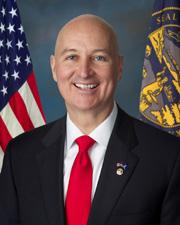
Sponsors and Cosponsors of S 1427





Latest Bills
TRAPS Act
Bill HR 4936September 18, 2026
Apples to Apples Comparison Act of 2025
Bill HR 4093September 18, 2026
American Lending Fairness Act of 2026
Bill HR 7866September 18, 2026
Civil Investigative Demand Reform Act of 2025
Bill HR 1653September 18, 2026
American Reserve Modernization Act of 2026
Bill HR 8957September 18, 2026
Preventive Health Savings Act
Bill HR 4464September 18, 2026
PEARL Act
Bill HR 9327September 18, 2026
Medically Tailored Home-Delivered Meals Program Pilot Act
Bill HR 5439September 18, 2026
To designate the facility of the United States Postal Service located at 117 West Lovett Street in Charlotte, Michigan, as the "Francis C. Flaherty Post Office Building".
Bill HR 9570September 18, 2026
To designate the facility of the United States Postal Service located at 1019 Avenue H in Fort Madison, Iowa, as the "Martin L. Graber Post Office".
Bill HR 4707September 18, 2026