0
0
0
Ending Qualified Immunity Act
12/15/2023, 4:07 PM
Summary of Bill S 1196
Bill 118 s 1196, also known as the Ending Qualified Immunity Act, is a piece of legislation introduced in the US Congress. The purpose of this bill is to end the doctrine of qualified immunity for law enforcement officers. Qualified immunity is a legal doctrine that protects government officials, including police officers, from being held personally liable for violating an individual's constitutional rights unless the violation was clearly established at the time.
The Ending Qualified Immunity Act seeks to hold law enforcement officers accountable for their actions by removing this legal protection. This would allow individuals to sue police officers for violating their constitutional rights, even if the violation was not clearly established at the time. The bill aims to increase transparency and accountability within law enforcement agencies and ensure that officers are held responsible for their actions.
Supporters of the Ending Qualified Immunity Act argue that it is necessary to address systemic issues of police misconduct and excessive use of force. They believe that holding officers accountable for their actions will help rebuild trust between law enforcement and the communities they serve. Opponents of the bill, however, argue that ending qualified immunity could make it more difficult for police officers to perform their duties effectively. They believe that removing this legal protection could expose officers to frivolous lawsuits and deter them from taking necessary actions to protect public safety. Overall, the Ending Qualified Immunity Act is a controversial piece of legislation that aims to address issues of police accountability and transparency. Its impact on law enforcement practices and community relations remains to be seen as the bill makes its way through the legislative process.
The Ending Qualified Immunity Act seeks to hold law enforcement officers accountable for their actions by removing this legal protection. This would allow individuals to sue police officers for violating their constitutional rights, even if the violation was not clearly established at the time. The bill aims to increase transparency and accountability within law enforcement agencies and ensure that officers are held responsible for their actions.
Supporters of the Ending Qualified Immunity Act argue that it is necessary to address systemic issues of police misconduct and excessive use of force. They believe that holding officers accountable for their actions will help rebuild trust between law enforcement and the communities they serve. Opponents of the bill, however, argue that ending qualified immunity could make it more difficult for police officers to perform their duties effectively. They believe that removing this legal protection could expose officers to frivolous lawsuits and deter them from taking necessary actions to protect public safety. Overall, the Ending Qualified Immunity Act is a controversial piece of legislation that aims to address issues of police accountability and transparency. Its impact on law enforcement practices and community relations remains to be seen as the bill makes its way through the legislative process.
Current Status of Bill S 1196
Bill S 1196 is currently in the status of Bill Introduced since April 19, 2023. Bill S 1196 was introduced during Congress 118 and was introduced to the Senate on April 19, 2023. Bill S 1196's most recent activity was Read twice and referred to the Committee on the Judiciary. as of April 19, 2023
Bipartisan Support of Bill S 1196
Total Number of Sponsors
1Democrat Sponsors
1Republican Sponsors
0Unaffiliated Sponsors
0Total Number of Cosponsors
0Democrat Cosponsors
0Republican Cosponsors
0Unaffiliated Cosponsors
0Policy Area and Potential Impact of Bill S 1196
Primary Policy Focus
Civil Rights and Liberties, Minority IssuesComments
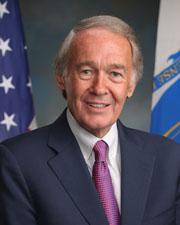
Sponsors and Cosponsors of S 1196
Latest Bills
TRAPS Act
Bill HR 4936September 18, 2026
Apples to Apples Comparison Act of 2025
Bill HR 4093September 18, 2026
American Lending Fairness Act of 2026
Bill HR 7866September 18, 2026
Civil Investigative Demand Reform Act of 2025
Bill HR 1653September 18, 2026
American Reserve Modernization Act of 2026
Bill HR 8957September 18, 2026
Preventive Health Savings Act
Bill HR 4464September 18, 2026
PEARL Act
Bill HR 9327September 18, 2026
Medically Tailored Home-Delivered Meals Program Pilot Act
Bill HR 5439September 18, 2026
To designate the facility of the United States Postal Service located at 117 West Lovett Street in Charlotte, Michigan, as the "Francis C. Flaherty Post Office Building".
Bill HR 9570September 18, 2026
To designate the facility of the United States Postal Service located at 1019 Avenue H in Fort Madison, Iowa, as the "Martin L. Graber Post Office".
Bill HR 4707September 18, 2026