0
0
0
Telehealth Access for Tribal Communities Act of 2024
12/19/2024, 9:06 AM
Summary of Bill HR 9271
The Telehealth Access for Tribal Communities Act of 2024, also known as Bill 118 hr 9271, aims to improve access to telehealth services for Native American tribes across the United States. The bill recognizes the unique challenges faced by tribal communities in accessing healthcare services, particularly in remote and underserved areas.
Key provisions of the bill include:
1. Expanding telehealth services: The bill seeks to expand telehealth services for tribal communities by providing funding for the development and implementation of telehealth programs. This includes funding for telehealth equipment, training for healthcare providers, and support for telehealth infrastructure. 2. Improving broadband access: The bill recognizes that many tribal communities lack access to reliable broadband internet, which is essential for accessing telehealth services. To address this issue, the bill provides funding for broadband infrastructure projects in tribal areas, with a focus on improving connectivity for healthcare facilities. 3. Enhancing cultural competency: The bill emphasizes the importance of cultural competency in providing telehealth services to tribal communities. It includes provisions for training healthcare providers on the unique cultural and linguistic needs of Native American patients, as well as requirements for ensuring that telehealth services are culturally appropriate. 4. Increasing healthcare coordination: The bill encourages greater coordination between telehealth providers and tribal healthcare facilities, with the goal of improving continuity of care for Native American patients. This includes provisions for sharing patient information securely and efficiently, as well as promoting collaboration between telehealth providers and tribal healthcare providers. Overall, the Telehealth Access for Tribal Communities Act of 2024 seeks to address the healthcare disparities faced by Native American tribes by expanding access to telehealth services, improving broadband infrastructure, enhancing cultural competency, and promoting healthcare coordination. The bill aims to ensure that tribal communities have access to high-quality healthcare services, regardless of their geographic location or economic status.
Key provisions of the bill include:
1. Expanding telehealth services: The bill seeks to expand telehealth services for tribal communities by providing funding for the development and implementation of telehealth programs. This includes funding for telehealth equipment, training for healthcare providers, and support for telehealth infrastructure. 2. Improving broadband access: The bill recognizes that many tribal communities lack access to reliable broadband internet, which is essential for accessing telehealth services. To address this issue, the bill provides funding for broadband infrastructure projects in tribal areas, with a focus on improving connectivity for healthcare facilities. 3. Enhancing cultural competency: The bill emphasizes the importance of cultural competency in providing telehealth services to tribal communities. It includes provisions for training healthcare providers on the unique cultural and linguistic needs of Native American patients, as well as requirements for ensuring that telehealth services are culturally appropriate. 4. Increasing healthcare coordination: The bill encourages greater coordination between telehealth providers and tribal healthcare facilities, with the goal of improving continuity of care for Native American patients. This includes provisions for sharing patient information securely and efficiently, as well as promoting collaboration between telehealth providers and tribal healthcare providers. Overall, the Telehealth Access for Tribal Communities Act of 2024 seeks to address the healthcare disparities faced by Native American tribes by expanding access to telehealth services, improving broadband infrastructure, enhancing cultural competency, and promoting healthcare coordination. The bill aims to ensure that tribal communities have access to high-quality healthcare services, regardless of their geographic location or economic status.
Current Status of Bill HR 9271
Bill HR 9271 is currently in the status of Bill Introduced since August 2, 2024. Bill HR 9271 was introduced during Congress 118 and was introduced to the House on August 2, 2024. Bill HR 9271's most recent activity was Referred to the Subcommittee on Health. as of December 17, 2024
Bipartisan Support of Bill HR 9271
Total Number of Sponsors
2Democrat Sponsors
2Republican Sponsors
0Unaffiliated Sponsors
0Total Number of Cosponsors
6Democrat Cosponsors
6Republican Cosponsors
0Unaffiliated Cosponsors
0Policy Area and Potential Impact of Bill HR 9271
Primary Policy Focus
HealthAlternate Title(s) of Bill HR 9271
To amend title XVIII of the Social Security Act to make permanent certain telehealth flexibilities under the Medicare program for telehealth services furnished by Indian health programs.
To amend title XVIII of the Social Security Act to make permanent certain telehealth flexibilities under the Medicare program for telehealth services furnished by Indian health programs.
Comments
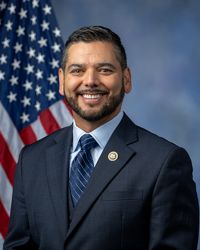
Sponsors and Cosponsors of HR 9271





Latest Bills
TRAPS Act
Bill HR 4936September 18, 2026
Apples to Apples Comparison Act of 2025
Bill HR 4093September 18, 2026
American Lending Fairness Act of 2026
Bill HR 7866September 18, 2026
Civil Investigative Demand Reform Act of 2025
Bill HR 1653September 18, 2026
American Reserve Modernization Act of 2026
Bill HR 8957September 18, 2026
Preventive Health Savings Act
Bill HR 4464September 18, 2026
PEARL Act
Bill HR 9327September 18, 2026
Medically Tailored Home-Delivered Meals Program Pilot Act
Bill HR 5439September 18, 2026
To designate the facility of the United States Postal Service located at 117 West Lovett Street in Charlotte, Michigan, as the "Francis C. Flaherty Post Office Building".
Bill HR 9570September 18, 2026
To designate the facility of the United States Postal Service located at 1019 Avenue H in Fort Madison, Iowa, as the "Martin L. Graber Post Office".
Bill HR 4707September 18, 2026