0
0
0
EPCS 2.0 Act
1/4/2025, 11:12 AM
Summary of Bill HR 7312
Bill 118 hr 7312, also known as the EPCS 2.0 Act, is a piece of legislation currently being considered by the US Congress. The main goal of this bill is to enhance the security and efficiency of electronic prescribing of controlled substances (EPCS) in the United States.
The EPCS 2.0 Act aims to address the growing issue of prescription drug abuse by requiring healthcare providers to use electronic prescribing systems that meet certain security standards when prescribing controlled substances. This will help prevent fraudulent prescriptions and ensure that patients receive the correct medications in a timely manner.
Additionally, the bill includes provisions to improve interoperability between different electronic health record systems, making it easier for healthcare providers to access and share patient information securely. This will help streamline the prescribing process and reduce the risk of errors or delays in patient care. Overall, the EPCS 2.0 Act is designed to modernize and strengthen the electronic prescribing system for controlled substances in the United States, ultimately improving patient safety and reducing the potential for prescription drug abuse.
The EPCS 2.0 Act aims to address the growing issue of prescription drug abuse by requiring healthcare providers to use electronic prescribing systems that meet certain security standards when prescribing controlled substances. This will help prevent fraudulent prescriptions and ensure that patients receive the correct medications in a timely manner.
Additionally, the bill includes provisions to improve interoperability between different electronic health record systems, making it easier for healthcare providers to access and share patient information securely. This will help streamline the prescribing process and reduce the risk of errors or delays in patient care. Overall, the EPCS 2.0 Act is designed to modernize and strengthen the electronic prescribing system for controlled substances in the United States, ultimately improving patient safety and reducing the potential for prescription drug abuse.
Read the Full Bill
Current Status of Bill HR 7312
Bill HR 7312 is currently in the status of Bill Introduced since February 9, 2024. Bill HR 7312 was introduced during Congress 118 and was introduced to the House on February 9, 2024. Bill HR 7312's most recent activity was Referred to the Subcommittee on Health. as of December 17, 2024
Bipartisan Support of Bill HR 7312
Total Number of Sponsors
3Democrat Sponsors
3Republican Sponsors
0Unaffiliated Sponsors
0Total Number of Cosponsors
2Democrat Cosponsors
0Republican Cosponsors
2Unaffiliated Cosponsors
0Policy Area and Potential Impact of Bill HR 7312
Primary Policy Focus
HealthAlternate Title(s) of Bill HR 7312
EPCS 2.0 Act
Electronic Prescribing for Controlled Substances Act
EPCS 2.0 Act
To provide for requirements for electronic-prescribing for controlled substances under group health plans and group and individual health insurance coverage.
Comments
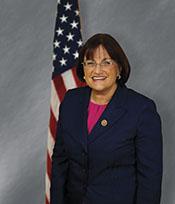
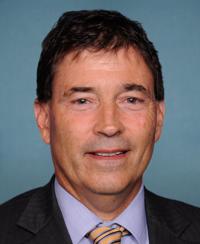
Sponsors and Cosponsors of HR 7312

Latest Bills
TRAPS Act
Bill HR 4936September 18, 2026
Apples to Apples Comparison Act of 2025
Bill HR 4093September 18, 2026
American Lending Fairness Act of 2026
Bill HR 7866September 18, 2026
Civil Investigative Demand Reform Act of 2025
Bill HR 1653September 18, 2026
American Reserve Modernization Act of 2026
Bill HR 8957September 18, 2026
Preventive Health Savings Act
Bill HR 4464September 18, 2026
PEARL Act
Bill HR 9327September 18, 2026
Medically Tailored Home-Delivered Meals Program Pilot Act
Bill HR 5439September 18, 2026
To designate the facility of the United States Postal Service located at 117 West Lovett Street in Charlotte, Michigan, as the "Francis C. Flaherty Post Office Building".
Bill HR 9570September 18, 2026
To designate the facility of the United States Postal Service located at 1019 Avenue H in Fort Madison, Iowa, as the "Martin L. Graber Post Office".
Bill HR 4707September 18, 2026
SUPPORT for Patients and Communities Reauthorization Act
Bill S 3393March 5, 2024