0
0
0
District of Columbia Federal Judicial Officials Residency Equality Act of 2023
12/15/2023, 3:59 PM
Summary of Bill HR 4386
Bill 118 hr 4386, also known as the District of Columbia Federal Judicial Officials Residency Equality Act of 2023, aims to address the issue of residency requirements for federal judicial officials in the District of Columbia. Currently, federal judges and other judicial officials are required to live within a 25-mile radius of the District of Columbia, while other federal employees are not subject to this restriction.
The bill seeks to eliminate this disparity by allowing federal judicial officials to live anywhere within the United States, as long as they are able to travel to the District of Columbia for work when necessary. This change would provide federal judicial officials with the same residency rights as other federal employees, allowing them more flexibility in choosing where to live.
Supporters of the bill argue that the current residency requirement for federal judicial officials is outdated and unnecessary, as modern technology allows for remote work and communication. They believe that removing this restriction will help attract and retain qualified individuals for these important positions. Opponents of the bill may argue that residency requirements are important for ensuring that federal judicial officials have a strong connection to the District of Columbia and are familiar with the local community. However, supporters maintain that the ability to travel to the District of Columbia as needed is sufficient to fulfill the duties of these positions. Overall, the District of Columbia Federal Judicial Officials Residency Equality Act of 2023 seeks to level the playing field for federal judicial officials in terms of residency requirements, providing them with more flexibility and autonomy in choosing where to live while still fulfilling their duties.
The bill seeks to eliminate this disparity by allowing federal judicial officials to live anywhere within the United States, as long as they are able to travel to the District of Columbia for work when necessary. This change would provide federal judicial officials with the same residency rights as other federal employees, allowing them more flexibility in choosing where to live.
Supporters of the bill argue that the current residency requirement for federal judicial officials is outdated and unnecessary, as modern technology allows for remote work and communication. They believe that removing this restriction will help attract and retain qualified individuals for these important positions. Opponents of the bill may argue that residency requirements are important for ensuring that federal judicial officials have a strong connection to the District of Columbia and are familiar with the local community. However, supporters maintain that the ability to travel to the District of Columbia as needed is sufficient to fulfill the duties of these positions. Overall, the District of Columbia Federal Judicial Officials Residency Equality Act of 2023 seeks to level the playing field for federal judicial officials in terms of residency requirements, providing them with more flexibility and autonomy in choosing where to live while still fulfilling their duties.
Read the Full Bill
Current Status of Bill HR 4386
Bill HR 4386 is currently in the status of Bill Introduced since June 27, 2023. Bill HR 4386 was introduced during Congress 118 and was introduced to the House on June 27, 2023. Bill HR 4386's most recent activity was Referred to the House Committee on the Judiciary. as of June 27, 2023
Bipartisan Support of Bill HR 4386
Total Number of Sponsors
1Democrat Sponsors
1Republican Sponsors
0Unaffiliated Sponsors
0Total Number of Cosponsors
0Democrat Cosponsors
0Republican Cosponsors
0Unaffiliated Cosponsors
0Policy Area and Potential Impact of Bill HR 4386
Primary Policy Focus
LawAlternate Title(s) of Bill HR 4386
District of Columbia Federal Judicial Officials Residency Equality Act of 2023
District of Columbia Federal Judicial Officials Residency Equality Act of 2023
To amend title 28, United States Code, to change the residency requirements for certain officials serving in the District of Columbia, and for other purposes.
Comments
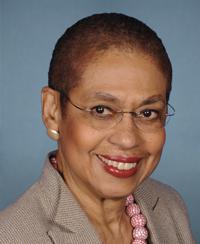
Sponsors and Cosponsors of HR 4386
Latest Bills
TRAPS Act
Bill HR 4936September 18, 2026
Apples to Apples Comparison Act of 2025
Bill HR 4093September 18, 2026
American Lending Fairness Act of 2026
Bill HR 7866September 18, 2026
Civil Investigative Demand Reform Act of 2025
Bill HR 1653September 18, 2026
American Reserve Modernization Act of 2026
Bill HR 8957September 18, 2026
Preventive Health Savings Act
Bill HR 4464September 18, 2026
PEARL Act
Bill HR 9327September 18, 2026
Medically Tailored Home-Delivered Meals Program Pilot Act
Bill HR 5439September 18, 2026
To designate the facility of the United States Postal Service located at 117 West Lovett Street in Charlotte, Michigan, as the "Francis C. Flaherty Post Office Building".
Bill HR 9570September 18, 2026
To designate the facility of the United States Postal Service located at 1019 Avenue H in Fort Madison, Iowa, as the "Martin L. Graber Post Office".
Bill HR 4707September 18, 2026