0
0
0
Public Servants Protection and Fairness Act of 2023
12/20/2024, 9:06 AM
Summary of Bill HR 4260
Bill 118 HR 4260, also known as the Public Servants Protection and Fairness Act of 2023, aims to provide protections and fairness for public servants in the United States. The bill addresses several key issues affecting public servants, including retirement benefits, workplace safety, and whistleblower protections.
One of the main provisions of the bill is the enhancement of retirement benefits for public servants. The bill seeks to ensure that public servants receive fair and adequate retirement benefits, including pension and healthcare benefits. This is particularly important as many public servants, such as teachers, firefighters, and police officers, often face challenges in securing adequate retirement benefits.
In addition to retirement benefits, the bill also focuses on improving workplace safety for public servants. This includes measures to prevent workplace harassment, discrimination, and violence. The bill also aims to strengthen protections for public servants who report misconduct or illegal activities in the workplace, commonly known as whistleblowers. Overall, the Public Servants Protection and Fairness Act of 2023 seeks to address the unique challenges faced by public servants and ensure that they are treated fairly and with respect. By enhancing retirement benefits, improving workplace safety, and protecting whistleblowers, the bill aims to create a more supportive and equitable environment for public servants across the country.
One of the main provisions of the bill is the enhancement of retirement benefits for public servants. The bill seeks to ensure that public servants receive fair and adequate retirement benefits, including pension and healthcare benefits. This is particularly important as many public servants, such as teachers, firefighters, and police officers, often face challenges in securing adequate retirement benefits.
In addition to retirement benefits, the bill also focuses on improving workplace safety for public servants. This includes measures to prevent workplace harassment, discrimination, and violence. The bill also aims to strengthen protections for public servants who report misconduct or illegal activities in the workplace, commonly known as whistleblowers. Overall, the Public Servants Protection and Fairness Act of 2023 seeks to address the unique challenges faced by public servants and ensure that they are treated fairly and with respect. By enhancing retirement benefits, improving workplace safety, and protecting whistleblowers, the bill aims to create a more supportive and equitable environment for public servants across the country.
Current Status of Bill HR 4260
Bill HR 4260 is currently in the status of Bill Introduced since June 21, 2023. Bill HR 4260 was introduced during Congress 118 and was introduced to the House on June 21, 2023. Bill HR 4260's most recent activity was Referred to the Subcommittee on Social Security. as of December 17, 2024
Bipartisan Support of Bill HR 4260
Total Number of Sponsors
2Democrat Sponsors
2Republican Sponsors
0Unaffiliated Sponsors
0Total Number of Cosponsors
0Democrat Cosponsors
0Republican Cosponsors
0Unaffiliated Cosponsors
0Policy Area and Potential Impact of Bill HR 4260
Primary Policy Focus
Social WelfareComments
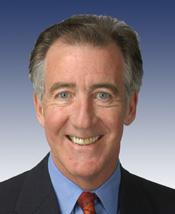
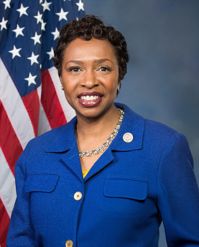
Sponsors and Cosponsors of HR 4260

Latest Bills
TRAPS Act
Bill HR 4936September 18, 2026
Apples to Apples Comparison Act of 2025
Bill HR 4093September 18, 2026
American Lending Fairness Act of 2026
Bill HR 7866September 18, 2026
Civil Investigative Demand Reform Act of 2025
Bill HR 1653September 18, 2026
American Reserve Modernization Act of 2026
Bill HR 8957September 18, 2026
Preventive Health Savings Act
Bill HR 4464September 18, 2026
PEARL Act
Bill HR 9327September 18, 2026
Medically Tailored Home-Delivered Meals Program Pilot Act
Bill HR 5439September 18, 2026
To designate the facility of the United States Postal Service located at 117 West Lovett Street in Charlotte, Michigan, as the "Francis C. Flaherty Post Office Building".
Bill HR 9570September 18, 2026
To designate the facility of the United States Postal Service located at 1019 Avenue H in Fort Madison, Iowa, as the "Martin L. Graber Post Office".
Bill HR 4707September 18, 2026