0
0
0
FAMILY Act
12/20/2024, 9:05 AM
Summary of Bill HR 3481
The Family and Medical Insurance Leave (FAMILY) Act, also known as Bill 118 hr 3481, is a piece of legislation introduced in the US Congress. The bill aims to provide paid family and medical leave to American workers.
Under the FAMILY Act, eligible employees would be able to take up to 12 weeks of paid leave to care for a new child, a seriously ill family member, or their own serious health condition. The leave would be funded through a payroll tax on both employees and employers, with the cost shared between the two.
The bill also includes provisions to ensure that small businesses are not disproportionately burdened by the new requirements. It would create a new Office of Paid Family and Medical Leave within the Social Security Administration to administer the program and ensure compliance. Supporters of the FAMILY Act argue that paid family and medical leave is essential for the well-being of American families and the economy as a whole. They point to research showing that paid leave can reduce turnover, increase productivity, and improve health outcomes. Opponents of the bill raise concerns about the cost of implementing a new paid leave program and the potential impact on businesses, particularly small businesses. They argue that the government should not be involved in mandating paid leave and that businesses should be able to decide on their own policies. Overall, the FAMILY Act is a significant piece of legislation that aims to address the issue of paid family and medical leave in the United States. Its fate in Congress remains uncertain, but it has sparked an important debate about the role of government in supporting working families.
Under the FAMILY Act, eligible employees would be able to take up to 12 weeks of paid leave to care for a new child, a seriously ill family member, or their own serious health condition. The leave would be funded through a payroll tax on both employees and employers, with the cost shared between the two.
The bill also includes provisions to ensure that small businesses are not disproportionately burdened by the new requirements. It would create a new Office of Paid Family and Medical Leave within the Social Security Administration to administer the program and ensure compliance. Supporters of the FAMILY Act argue that paid family and medical leave is essential for the well-being of American families and the economy as a whole. They point to research showing that paid leave can reduce turnover, increase productivity, and improve health outcomes. Opponents of the bill raise concerns about the cost of implementing a new paid leave program and the potential impact on businesses, particularly small businesses. They argue that the government should not be involved in mandating paid leave and that businesses should be able to decide on their own policies. Overall, the FAMILY Act is a significant piece of legislation that aims to address the issue of paid family and medical leave in the United States. Its fate in Congress remains uncertain, but it has sparked an important debate about the role of government in supporting working families.
Read the Full Bill
Current Status of Bill HR 3481
Bill HR 3481 is currently in the status of Bill Introduced since May 18, 2023. Bill HR 3481 was introduced during Congress 118 and was introduced to the House on May 18, 2023. Bill HR 3481's most recent activity was Referred to the Subcommittee on Health. as of December 17, 2024
Bipartisan Support of Bill HR 3481
Total Number of Sponsors
2Democrat Sponsors
2Republican Sponsors
0Unaffiliated Sponsors
0Total Number of Cosponsors
365Democrat Cosponsors
365Republican Cosponsors
0Unaffiliated Cosponsors
0Policy Area and Potential Impact of Bill HR 3481
Primary Policy Focus
Labor and EmploymentAlternate Title(s) of Bill HR 3481
FAMILY Act
FAMILY Act
Family and Medical Insurance Leave Act
To provide paid family and medical leave benefits to certain individuals, and for other purposes.
Comments
Sponsors and Cosponsors of HR 3481

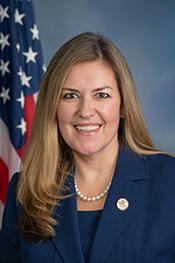
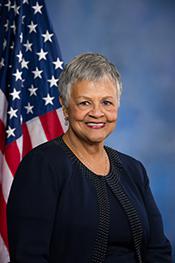



Latest Bills
TRAPS Act
Bill HR 4936September 18, 2026
Apples to Apples Comparison Act of 2025
Bill HR 4093September 18, 2026
American Lending Fairness Act of 2026
Bill HR 7866September 18, 2026
Civil Investigative Demand Reform Act of 2025
Bill HR 1653September 18, 2026
American Reserve Modernization Act of 2026
Bill HR 8957September 18, 2026
Preventive Health Savings Act
Bill HR 4464September 18, 2026
PEARL Act
Bill HR 9327September 18, 2026
Medically Tailored Home-Delivered Meals Program Pilot Act
Bill HR 5439September 18, 2026
To designate the facility of the United States Postal Service located at 117 West Lovett Street in Charlotte, Michigan, as the "Francis C. Flaherty Post Office Building".
Bill HR 9570September 18, 2026
To designate the facility of the United States Postal Service located at 1019 Avenue H in Fort Madison, Iowa, as the "Martin L. Graber Post Office".
Bill HR 4707September 18, 2026
FAMILY Act
Bill S 1714March 14, 2024