0
U.S. Citizenship Act
1/4/2025, 11:17 AM
Summary of Bill HR 3194
Key provisions of the U.S. Citizenship Act include:
1. Pathway to Citizenship: The bill outlines a process for undocumented immigrants to apply for legal status and eventually become U.S. citizens. This pathway includes meeting certain eligibility requirements, such as passing background checks and paying taxes. 2. Dreamers and TPS Holders: The bill includes provisions to protect Dreamers (young immigrants brought to the U.S. as children) and Temporary Protected Status (TPS) holders, allowing them to apply for permanent residency and eventually citizenship. 3. Border Security: The U.S. Citizenship Act also addresses border security by implementing new technology and infrastructure to enhance border surveillance and enforcement. 4. Family Reunification: The bill prioritizes family reunification by reducing visa backlogs and streamlining the process for family members of U.S. citizens and permanent residents to immigrate to the United States. 5. Employment-Based Immigration: The bill aims to modernize the employment-based immigration system by eliminating per-country caps and expanding visa opportunities for highly skilled workers. Overall, the U.S. Citizenship Act seeks to create a more fair and efficient immigration system that upholds American values of inclusivity and opportunity. The bill has garnered support from both Democrats and Republicans, although it faces challenges in Congress as lawmakers debate the specifics of the legislation.
Congressional Summary of HR 3194
U.S. Citizenship Act
This bill establishes a path to citizenship for certain undocumented individuals. The bill also replaces the term alien with noncitizen in the immigration statutes and addresses other related issues.
Specifically, the bill establishes a new status of lawful prospective immigrant. This status shall be available to an applying noncitizen who meets certain requirements, including being continually present in the United States from January 1, 2023, and passing background checks. After at least five years with this status, an eligible noncitizen may apply for and receive lawful permanent resident status.
The bill also provides permanent resident status to certain applying noncitizens, specifically for eligible noncitizens who (1) entered the United States as a minor, (2) were eligible for temporary protected status or deferred enforced departure on January 1, 2017, or (3) worked a certain amount of agricultural labor in the five years before applying.
Among other things, the bill also
- redefines for immigration purposes the term conviction to exclude convictions that have been expunged or vacated,
- requires the Department of State to implement a strategy to advance reforms in Central America and address key factors contributing to migration from the region to the United States,
- requires the State Department to establish refugee processing centers in Central America,
- requires U.S. Customs and Border Protection sectors and stations to have a certain number of employees with certain qualifications such as paramedic training,
- generally prohibits religious discrimination in granting or denying immigration benefits, and
- establishes grant programs for providing training and services to immigrants.
Read the Full Bill
Current Status of Bill HR 3194
Bipartisan Support of Bill HR 3194
Total Number of Sponsors
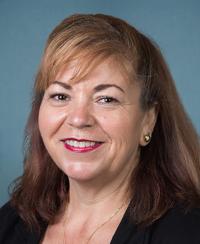
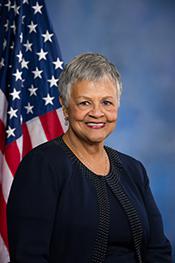
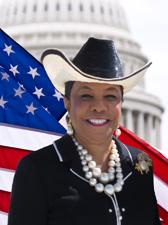
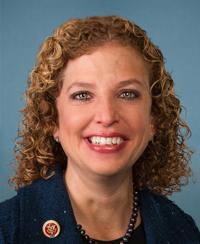
3Democrat Sponsors
3Republican Sponsors
0Unaffiliated Sponsors
0Total Number of Cosponsors
234Democrat Cosponsors
234Republican Cosponsors
0Unaffiliated Cosponsors
0Policy Area and Potential Impact of Bill HR 3194
Primary Policy Focus
ImmigrationPotential Impact Areas
Alternate Title(s) of Bill HR 3194
Comments

Melanie Holder
1 year ago
OMG, this bill is so bad, like why are they doing this? How will it affect me and my friends? #confused 🤔