0
0
0
HEALTH Act
12/20/2024, 9:06 AM
Summary of Bill HR 2986
The HEALTH Act, also known as Bill 118 hr 2986, is a piece of legislation currently being considered by the US Congress. The main purpose of this bill is to reform the medical malpractice system in the United States.
One of the key provisions of the HEALTH Act is to cap non-economic damages in medical malpractice lawsuits at $250,000. This means that individuals who have been harmed by medical negligence would only be able to receive up to $250,000 for pain and suffering, regardless of the severity of their injuries.
Additionally, the bill aims to limit attorney fees in medical malpractice cases, in order to prevent lawyers from taking a large portion of the settlement or award. This is intended to make it easier for individuals to pursue legal action against healthcare providers without the fear of exorbitant legal fees. Furthermore, the HEALTH Act includes provisions for alternative dispute resolution mechanisms, such as mediation and arbitration, to resolve medical malpractice claims outside of the court system. This is intended to streamline the legal process and reduce the burden on the court system. Overall, the HEALTH Act seeks to address issues within the medical malpractice system in the United States by implementing reforms that aim to reduce the cost of healthcare and improve access to quality care for all Americans.
One of the key provisions of the HEALTH Act is to cap non-economic damages in medical malpractice lawsuits at $250,000. This means that individuals who have been harmed by medical negligence would only be able to receive up to $250,000 for pain and suffering, regardless of the severity of their injuries.
Additionally, the bill aims to limit attorney fees in medical malpractice cases, in order to prevent lawyers from taking a large portion of the settlement or award. This is intended to make it easier for individuals to pursue legal action against healthcare providers without the fear of exorbitant legal fees. Furthermore, the HEALTH Act includes provisions for alternative dispute resolution mechanisms, such as mediation and arbitration, to resolve medical malpractice claims outside of the court system. This is intended to streamline the legal process and reduce the burden on the court system. Overall, the HEALTH Act seeks to address issues within the medical malpractice system in the United States by implementing reforms that aim to reduce the cost of healthcare and improve access to quality care for all Americans.
Congressional Summary of HR 2986
Helping Everyone Access Long Term Healthcare Act or the HEALTH Act
This bill allows a tax deduction for direct primary care physicians who provide charity care. The care must be provided without expectation of reimbursement and to an individual enrolled in Medicaid or the Children's Health Insurance Program (CHIP).
A direct primary care physician is a physician who provides primary care (1) to individuals who have paid a periodic subscription fee, and (2) in exchange for a fee that is published on a publicly available website of the physician.
Read the Full Bill
Current Status of Bill HR 2986
Bill HR 2986 is currently in the status of Bill Introduced since April 27, 2023. Bill HR 2986 was introduced during Congress 118 and was introduced to the House on April 27, 2023. Bill HR 2986's most recent activity was Referred to the Subcommittee on Health. as of December 17, 2024
Bipartisan Support of Bill HR 2986
Total Number of Sponsors
2Democrat Sponsors
0Republican Sponsors
2Unaffiliated Sponsors
0Total Number of Cosponsors
6Democrat Cosponsors
0Republican Cosponsors
6Unaffiliated Cosponsors
0Policy Area and Potential Impact of Bill HR 2986
Primary Policy Focus
TaxationAlternate Title(s) of Bill HR 2986
HEALTH Act
HEALTH Act
Helping Everyone Access Long Term Healthcare Act
To amend the Internal Revenue Code of 1986 to provide a deduction for certain charity care furnished by physicians, and for other purposes.
Comments
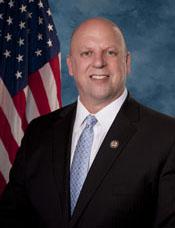
Sponsors and Cosponsors of HR 2986





Latest Bills
TRAPS Act
Bill HR 4936September 18, 2026
Apples to Apples Comparison Act of 2025
Bill HR 4093September 18, 2026
American Lending Fairness Act of 2026
Bill HR 7866September 18, 2026
Civil Investigative Demand Reform Act of 2025
Bill HR 1653September 18, 2026
American Reserve Modernization Act of 2026
Bill HR 8957September 18, 2026
Preventive Health Savings Act
Bill HR 4464September 18, 2026
PEARL Act
Bill HR 9327September 18, 2026
Medically Tailored Home-Delivered Meals Program Pilot Act
Bill HR 5439September 18, 2026
To designate the facility of the United States Postal Service located at 117 West Lovett Street in Charlotte, Michigan, as the "Francis C. Flaherty Post Office Building".
Bill HR 9570September 18, 2026
To designate the facility of the United States Postal Service located at 1019 Avenue H in Fort Madison, Iowa, as the "Martin L. Graber Post Office".
Bill HR 4707September 18, 2026