0
0
0
WOLF Act
12/19/2023, 5:30 PM
Summary of Bill HR 2695
The WOLF Act, also known as Bill 118 hr 2695, is a piece of legislation introduced in the US Congress that aims to address the issue of wolf management in certain states. The bill specifically focuses on the management of gray wolves in the states of Wyoming, Wisconsin, Michigan, and Minnesota.
The WOLF Act seeks to remove gray wolves in these states from the list of endangered species under the Endangered Species Act. This would effectively transfer the management of gray wolves from the federal government to the individual states, allowing them to implement their own management plans for the species.
Proponents of the bill argue that state management of gray wolves would be more effective and efficient, as states have a better understanding of the local ecosystems and can tailor management strategies to the specific needs of their region. They also argue that removing gray wolves from the endangered species list would help alleviate conflicts between wolves and livestock owners, as states would have more flexibility in managing wolf populations. Opponents of the bill, however, express concerns about the potential impact on gray wolf populations if they are removed from the endangered species list. They argue that state management could lead to increased hunting and trapping of wolves, which could threaten their populations and disrupt the delicate balance of ecosystems in which they play a crucial role. Overall, the WOLF Act is a controversial piece of legislation that highlights the complex issues surrounding wildlife management and conservation in the United States. It remains to be seen how the bill will progress through Congress and what its ultimate impact will be on gray wolf populations in the states it addresses.
The WOLF Act seeks to remove gray wolves in these states from the list of endangered species under the Endangered Species Act. This would effectively transfer the management of gray wolves from the federal government to the individual states, allowing them to implement their own management plans for the species.
Proponents of the bill argue that state management of gray wolves would be more effective and efficient, as states have a better understanding of the local ecosystems and can tailor management strategies to the specific needs of their region. They also argue that removing gray wolves from the endangered species list would help alleviate conflicts between wolves and livestock owners, as states would have more flexibility in managing wolf populations. Opponents of the bill, however, express concerns about the potential impact on gray wolf populations if they are removed from the endangered species list. They argue that state management could lead to increased hunting and trapping of wolves, which could threaten their populations and disrupt the delicate balance of ecosystems in which they play a crucial role. Overall, the WOLF Act is a controversial piece of legislation that highlights the complex issues surrounding wildlife management and conservation in the United States. It remains to be seen how the bill will progress through Congress and what its ultimate impact will be on gray wolf populations in the states it addresses.
Congressional Summary of HR 2695
WOlf and Livestock Fairness Act or the WOLF Act
This bill directs the Department of Agriculture (USDA) to provide emergency relief to producers of livestock with herds adversely affected by Mexican gray wolves.
Additionally, the bill modifies USDA's Livestock Indemnity Program to increase the payment rate from 75% to 100% of the market value of the affected livestock.
Read the Full Bill
Current Status of Bill HR 2695
Bill HR 2695 is currently in the status of Bill Introduced since April 18, 2023. Bill HR 2695 was introduced during Congress 118 and was introduced to the House on April 18, 2023. Bill HR 2695's most recent activity was Referred to the House Committee on Agriculture. as of April 18, 2023
Bipartisan Support of Bill HR 2695
Total Number of Sponsors
1Democrat Sponsors
1Republican Sponsors
0Unaffiliated Sponsors
0Total Number of Cosponsors
14Democrat Cosponsors
6Republican Cosponsors
8Unaffiliated Cosponsors
0Policy Area and Potential Impact of Bill HR 2695
Primary Policy Focus
Agriculture and FoodAlternate Title(s) of Bill HR 2695
WOLF Act
WOLF Act
WOlf and Livestock Fairness Act
To amend the Agricultural Act of 2014 to provide emergency relief to producers of livestock with herds adversely affected by Mexican gray wolves, and for other purposes.
Comments
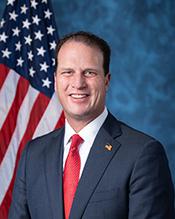
Sponsors and Cosponsors of HR 2695





Latest Bills
TRAPS Act
Bill HR 4936September 18, 2026
Apples to Apples Comparison Act of 2025
Bill HR 4093September 18, 2026
American Lending Fairness Act of 2026
Bill HR 7866September 18, 2026
Civil Investigative Demand Reform Act of 2025
Bill HR 1653September 18, 2026
American Reserve Modernization Act of 2026
Bill HR 8957September 18, 2026
Preventive Health Savings Act
Bill HR 4464September 18, 2026
PEARL Act
Bill HR 9327September 18, 2026
Medically Tailored Home-Delivered Meals Program Pilot Act
Bill HR 5439September 18, 2026
To designate the facility of the United States Postal Service located at 117 West Lovett Street in Charlotte, Michigan, as the "Francis C. Flaherty Post Office Building".
Bill HR 9570September 18, 2026
To designate the facility of the United States Postal Service located at 1019 Avenue H in Fort Madison, Iowa, as the "Martin L. Graber Post Office".
Bill HR 4707September 18, 2026
WOLF Act of 2023
Bill S 1726December 19, 2023