0
0
0
Agency Accountability Act of 2023
12/15/2023, 3:56 PM
Summary of Bill HR 2368
Bill 118 hr 2368, also known as the Agency Accountability Act of 2023, aims to increase transparency and accountability within federal agencies. The bill requires agencies to submit annual reports detailing their activities, expenditures, and performance metrics to Congress and the public. These reports must include information on the agency's budget, staffing levels, and any major initiatives or projects undertaken during the year.
Additionally, the bill mandates that agencies establish internal controls to prevent fraud, waste, and abuse. This includes implementing procedures for monitoring and evaluating the effectiveness of programs and activities, as well as conducting regular audits to ensure compliance with laws and regulations.
Furthermore, the Agency Accountability Act of 2023 requires agencies to respond promptly to requests for information from Congress and the Government Accountability Office (GAO). Failure to comply with these requests could result in penalties or other consequences. Overall, the bill seeks to promote greater transparency and accountability within federal agencies, ensuring that taxpayer dollars are being spent efficiently and effectively. It aims to hold agencies accountable for their actions and decisions, ultimately leading to better governance and oversight.
Additionally, the bill mandates that agencies establish internal controls to prevent fraud, waste, and abuse. This includes implementing procedures for monitoring and evaluating the effectiveness of programs and activities, as well as conducting regular audits to ensure compliance with laws and regulations.
Furthermore, the Agency Accountability Act of 2023 requires agencies to respond promptly to requests for information from Congress and the Government Accountability Office (GAO). Failure to comply with these requests could result in penalties or other consequences. Overall, the bill seeks to promote greater transparency and accountability within federal agencies, ensuring that taxpayer dollars are being spent efficiently and effectively. It aims to hold agencies accountable for their actions and decisions, ultimately leading to better governance and oversight.
Current Status of Bill HR 2368
Bill HR 2368 is currently in the status of Bill Introduced since March 29, 2023. Bill HR 2368 was introduced during Congress 118 and was introduced to the House on March 29, 2023. Bill HR 2368's most recent activity was Referred to the Committee on Oversight and Accountability, and in addition to the Committees on the Judiciary, the Budget, and Rules, for a period to be subsequently determined by the Speaker, in each case for consideration of such provisions as fall within the jurisdiction of the committee concerned. as of March 29, 2023
Bipartisan Support of Bill HR 2368
Total Number of Sponsors
1Democrat Sponsors
0Republican Sponsors
1Unaffiliated Sponsors
0Total Number of Cosponsors
0Democrat Cosponsors
0Republican Cosponsors
0Unaffiliated Cosponsors
0Policy Area and Potential Impact of Bill HR 2368
Primary Policy Focus
Economics and Public FinanceComments
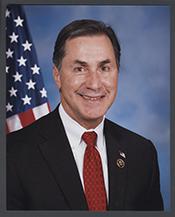
Sponsors and Cosponsors of HR 2368
Latest Bills
TRAPS Act
Bill HR 4936September 18, 2026
Apples to Apples Comparison Act of 2025
Bill HR 4093September 18, 2026
American Lending Fairness Act of 2026
Bill HR 7866September 18, 2026
Civil Investigative Demand Reform Act of 2025
Bill HR 1653September 18, 2026
American Reserve Modernization Act of 2026
Bill HR 8957September 18, 2026
Preventive Health Savings Act
Bill HR 4464September 18, 2026
PEARL Act
Bill HR 9327September 18, 2026
Medically Tailored Home-Delivered Meals Program Pilot Act
Bill HR 5439September 18, 2026
To designate the facility of the United States Postal Service located at 117 West Lovett Street in Charlotte, Michigan, as the "Francis C. Flaherty Post Office Building".
Bill HR 9570September 18, 2026
To designate the facility of the United States Postal Service located at 1019 Avenue H in Fort Madison, Iowa, as the "Martin L. Graber Post Office".
Bill HR 4707September 18, 2026