0
0
0
To provide for a limitation on availability of funds for U.S. Department of Interior, US Fish and Wildlife Service, Cooperative Endangered Species Conservation Fund for fiscal year 2024.
12/15/2023, 3:56 PM
Summary of Bill HR 2159
Bill 118 hr 2159, also known as the "Cooperative Endangered Species Conservation Fund Limitation Act," aims to place restrictions on the availability of funds for the U.S. Department of Interior and the US Fish and Wildlife Service's Cooperative Endangered Species Conservation Fund for the fiscal year 2024.
The bill proposes limitations on the amount of funding that can be allocated to the Cooperative Endangered Species Conservation Fund, which is used to support conservation efforts for endangered species across the United States. This limitation is intended to ensure that funds are used efficiently and effectively, while also potentially reducing overall government spending.
Supporters of the bill argue that placing restrictions on funding can help prevent wasteful spending and encourage agencies to prioritize their conservation efforts. However, critics worry that limiting funds for endangered species conservation could have negative impacts on the protection of vulnerable species and their habitats. Overall, Bill 118 hr 2159 raises important questions about the balance between fiscal responsibility and environmental conservation, and will likely spark debate among lawmakers and conservationists as it moves through the legislative process.
The bill proposes limitations on the amount of funding that can be allocated to the Cooperative Endangered Species Conservation Fund, which is used to support conservation efforts for endangered species across the United States. This limitation is intended to ensure that funds are used efficiently and effectively, while also potentially reducing overall government spending.
Supporters of the bill argue that placing restrictions on funding can help prevent wasteful spending and encourage agencies to prioritize their conservation efforts. However, critics worry that limiting funds for endangered species conservation could have negative impacts on the protection of vulnerable species and their habitats. Overall, Bill 118 hr 2159 raises important questions about the balance between fiscal responsibility and environmental conservation, and will likely spark debate among lawmakers and conservationists as it moves through the legislative process.
Current Status of Bill HR 2159
Bill HR 2159 is currently in the status of Bill Introduced since March 29, 2023. Bill HR 2159 was introduced during Congress 118 and was introduced to the House on March 29, 2023. Bill HR 2159's most recent activity was Referred to the House Committee on Natural Resources. as of March 29, 2023
Bipartisan Support of Bill HR 2159
Total Number of Sponsors
1Democrat Sponsors
0Republican Sponsors
1Unaffiliated Sponsors
0Total Number of Cosponsors
0Democrat Cosponsors
0Republican Cosponsors
0Unaffiliated Cosponsors
0Policy Area and Potential Impact of Bill HR 2159
Primary Policy Focus
AnimalsComments
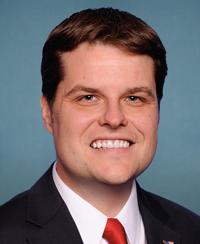
Sponsors and Cosponsors of HR 2159

Latest Bills
TRAPS Act
Bill HR 4936September 18, 2026
Apples to Apples Comparison Act of 2025
Bill HR 4093September 18, 2026
American Lending Fairness Act of 2026
Bill HR 7866September 18, 2026
Civil Investigative Demand Reform Act of 2025
Bill HR 1653September 18, 2026
American Reserve Modernization Act of 2026
Bill HR 8957September 18, 2026
Preventive Health Savings Act
Bill HR 4464September 18, 2026
PEARL Act
Bill HR 9327September 18, 2026
Medically Tailored Home-Delivered Meals Program Pilot Act
Bill HR 5439September 18, 2026
To designate the facility of the United States Postal Service located at 117 West Lovett Street in Charlotte, Michigan, as the "Francis C. Flaherty Post Office Building".
Bill HR 9570September 18, 2026
To designate the facility of the United States Postal Service located at 1019 Avenue H in Fort Madison, Iowa, as the "Martin L. Graber Post Office".
Bill HR 4707September 18, 2026