0
0
0
To provide for a limitation on availability of funds for District of Columbia, Federal Payment for Judicial Commissions, Judicial Nomination Commission for fiscal year 2024.
12/15/2023, 3:56 PM
Summary of Bill HR 2101
Bill 118 hr 2101, also known as the "District of Columbia Federal Payment for Judicial Commissions Limitation Act of 2024," aims to restrict the availability of funds for the District of Columbia's Federal Payment for Judicial Commissions and Judicial Nomination Commission for the fiscal year 2024. This bill is designed to place a cap on the amount of money that can be allocated towards these commissions in order to control spending and ensure fiscal responsibility.
The District of Columbia Federal Payment for Judicial Commissions is responsible for overseeing the selection and nomination of judges in the District of Columbia, while the Judicial Nomination Commission plays a key role in the appointment process. By limiting the funds available for these commissions, the bill seeks to streamline operations and prevent unnecessary expenditures.
Supporters of the bill argue that it is necessary to impose financial constraints on these commissions in order to prioritize other important government programs and services. Critics, however, raise concerns that restricting funding for judicial commissions could hinder the efficiency and effectiveness of the judicial nomination process in the District of Columbia. Overall, Bill 118 hr 2101 represents a significant effort to control spending and ensure accountability in the allocation of funds for judicial commissions in the District of Columbia for the fiscal year 2024.
The District of Columbia Federal Payment for Judicial Commissions is responsible for overseeing the selection and nomination of judges in the District of Columbia, while the Judicial Nomination Commission plays a key role in the appointment process. By limiting the funds available for these commissions, the bill seeks to streamline operations and prevent unnecessary expenditures.
Supporters of the bill argue that it is necessary to impose financial constraints on these commissions in order to prioritize other important government programs and services. Critics, however, raise concerns that restricting funding for judicial commissions could hinder the efficiency and effectiveness of the judicial nomination process in the District of Columbia. Overall, Bill 118 hr 2101 represents a significant effort to control spending and ensure accountability in the allocation of funds for judicial commissions in the District of Columbia for the fiscal year 2024.
Congressional Summary of HR 2101
This bill limits FY2024 funding for the District of Columbia (DC) Judicial Nomination Commission. (This commission recommends individuals to fill judicial vacancies on the DC Superior Court and the DC Court of Appeals.)
Read the Full Bill
Current Status of Bill HR 2101
Bill HR 2101 is currently in the status of Bill Introduced since March 29, 2023. Bill HR 2101 was introduced during Congress 118 and was introduced to the House on March 29, 2023. Bill HR 2101's most recent activity was Referred to the House Committee on Oversight and Accountability. as of March 29, 2023
Bipartisan Support of Bill HR 2101
Total Number of Sponsors
1Democrat Sponsors
0Republican Sponsors
1Unaffiliated Sponsors
0Total Number of Cosponsors
10Democrat Cosponsors
0Republican Cosponsors
10Unaffiliated Cosponsors
0Policy Area and Potential Impact of Bill HR 2101
Primary Policy Focus
LawAlternate Title(s) of Bill HR 2101
To provide for a limitation on availability of funds for District of Columbia, Federal Payment for Judicial Commissions, Judicial Nomination Commission for fiscal year 2024.
To provide for a limitation on availability of funds for District of Columbia, Federal Payment for Judicial Commissions, Judicial Nomination Commission for fiscal year 2024.
Comments
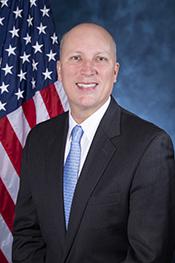
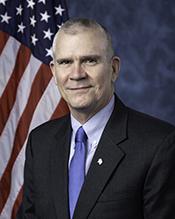
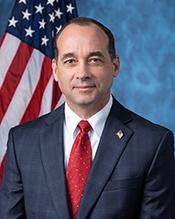
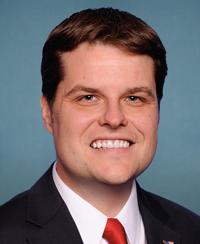
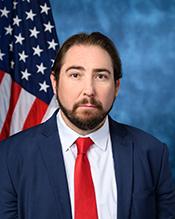
Sponsors and Cosponsors of HR 2101

Latest Bills
TRAPS Act
Bill HR 4936September 18, 2026
Apples to Apples Comparison Act of 2025
Bill HR 4093September 18, 2026
American Lending Fairness Act of 2026
Bill HR 7866September 18, 2026
Civil Investigative Demand Reform Act of 2025
Bill HR 1653September 18, 2026
American Reserve Modernization Act of 2026
Bill HR 8957September 18, 2026
Preventive Health Savings Act
Bill HR 4464September 18, 2026
PEARL Act
Bill HR 9327September 18, 2026
Medically Tailored Home-Delivered Meals Program Pilot Act
Bill HR 5439September 18, 2026
To designate the facility of the United States Postal Service located at 117 West Lovett Street in Charlotte, Michigan, as the "Francis C. Flaherty Post Office Building".
Bill HR 9570September 18, 2026
To designate the facility of the United States Postal Service located at 1019 Avenue H in Fort Madison, Iowa, as the "Martin L. Graber Post Office".
Bill HR 4707September 18, 2026