0
0
0
To provide for a limitation on availability of funds for Joint Items, Library Buildings and Grounds for fiscal year 2024.
12/15/2023, 3:56 PM
Summary of Bill HR 1909
Bill 118 hr 1909, also known as the "Limitation on Availability of Funds for Joint Items, Library Buildings and Grounds for Fiscal Year 2024," aims to place restrictions on the allocation of funds for certain joint items, library buildings, and grounds within the US Congress for the fiscal year 2024.
The bill specifies that funds for these purposes will be limited and cannot exceed a certain amount, which is outlined in the legislation. This limitation is put in place to ensure that taxpayer dollars are being used efficiently and effectively within the US Congress.
By setting a cap on the availability of funds for joint items, library buildings, and grounds, the bill aims to promote fiscal responsibility and accountability within the government. It also serves to prioritize spending on essential services and programs, rather than unnecessary or excessive expenditures. Overall, Bill 118 hr 1909 seeks to regulate the allocation of funds within the US Congress for specific purposes in order to promote responsible financial management and ensure that taxpayer dollars are being used wisely.
The bill specifies that funds for these purposes will be limited and cannot exceed a certain amount, which is outlined in the legislation. This limitation is put in place to ensure that taxpayer dollars are being used efficiently and effectively within the US Congress.
By setting a cap on the availability of funds for joint items, library buildings, and grounds, the bill aims to promote fiscal responsibility and accountability within the government. It also serves to prioritize spending on essential services and programs, rather than unnecessary or excessive expenditures. Overall, Bill 118 hr 1909 seeks to regulate the allocation of funds within the US Congress for specific purposes in order to promote responsible financial management and ensure that taxpayer dollars are being used wisely.
Congressional Summary of HR 1909
This bill limits FY2024 funding for the buildings and grounds of the Library of Congress.
Read the Full Bill
Current Status of Bill HR 1909
Bill HR 1909 is currently in the status of Bill Introduced since March 29, 2023. Bill HR 1909 was introduced during Congress 118 and was introduced to the House on March 29, 2023. Bill HR 1909's most recent activity was Referred to the Subcommittee on Economic Development, Public Buildings, and Emergency Management. as of March 30, 2023
Bipartisan Support of Bill HR 1909
Total Number of Sponsors
1Democrat Sponsors
0Republican Sponsors
1Unaffiliated Sponsors
0Total Number of Cosponsors
10Democrat Cosponsors
0Republican Cosponsors
10Unaffiliated Cosponsors
0Policy Area and Potential Impact of Bill HR 1909
Primary Policy Focus
CongressAlternate Title(s) of Bill HR 1909
To provide for a limitation on availability of funds for Joint Items, Library Buildings and Grounds for fiscal year 2024.
To provide for a limitation on availability of funds for Joint Items, Library Buildings and Grounds for fiscal year 2024.
Comments
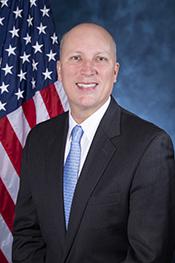
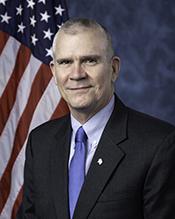
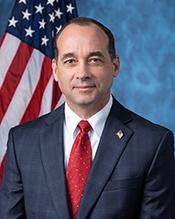
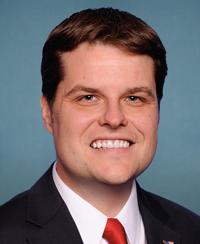
Sponsors and Cosponsors of HR 1909


Latest Bills
TRAPS Act
Bill HR 4936September 18, 2026
Apples to Apples Comparison Act of 2025
Bill HR 4093September 18, 2026
American Lending Fairness Act of 2026
Bill HR 7866September 18, 2026
Civil Investigative Demand Reform Act of 2025
Bill HR 1653September 18, 2026
American Reserve Modernization Act of 2026
Bill HR 8957September 18, 2026
Preventive Health Savings Act
Bill HR 4464September 18, 2026
PEARL Act
Bill HR 9327September 18, 2026
Medically Tailored Home-Delivered Meals Program Pilot Act
Bill HR 5439September 18, 2026
To designate the facility of the United States Postal Service located at 117 West Lovett Street in Charlotte, Michigan, as the "Francis C. Flaherty Post Office Building".
Bill HR 9570September 18, 2026
To designate the facility of the United States Postal Service located at 1019 Avenue H in Fort Madison, Iowa, as the "Martin L. Graber Post Office".
Bill HR 4707September 18, 2026