0
0
0
To provide for a limitation on availability of funds for Joint Items, Joint Economic Committee for fiscal year 2024.
12/15/2023, 3:56 PM
Summary of Bill HR 1897
Bill 118 hr 1897, also known as the "Limitation on Availability of Funds for Joint Items, Joint Economic Committee for Fiscal Year 2024," aims to restrict the amount of funds that can be allocated to the Joint Economic Committee for the fiscal year 2024. The Joint Economic Committee is a bipartisan committee that analyzes economic issues and makes recommendations to Congress.
The bill proposes a limitation on the availability of funds for joint items related to the Joint Economic Committee, which includes salaries and expenses for personnel, travel expenses, and other necessary expenses. This limitation is intended to ensure that taxpayer dollars are being used efficiently and effectively.
If passed, this bill would impact the funding allocated to the Joint Economic Committee for the fiscal year 2024, potentially leading to budget cuts or restrictions on certain expenses. Supporters of the bill argue that it is necessary to control government spending and prioritize funding for essential programs. Opponents of the bill may argue that limiting funds for the Joint Economic Committee could hinder its ability to effectively analyze economic issues and provide valuable recommendations to Congress. They may also argue that cutting funding for this committee could have negative implications for economic policy-making. Overall, Bill 118 hr 1897 seeks to impose restrictions on the availability of funds for the Joint Economic Committee for the fiscal year 2024, with the goal of promoting fiscal responsibility and efficient use of taxpayer dollars.
The bill proposes a limitation on the availability of funds for joint items related to the Joint Economic Committee, which includes salaries and expenses for personnel, travel expenses, and other necessary expenses. This limitation is intended to ensure that taxpayer dollars are being used efficiently and effectively.
If passed, this bill would impact the funding allocated to the Joint Economic Committee for the fiscal year 2024, potentially leading to budget cuts or restrictions on certain expenses. Supporters of the bill argue that it is necessary to control government spending and prioritize funding for essential programs. Opponents of the bill may argue that limiting funds for the Joint Economic Committee could hinder its ability to effectively analyze economic issues and provide valuable recommendations to Congress. They may also argue that cutting funding for this committee could have negative implications for economic policy-making. Overall, Bill 118 hr 1897 seeks to impose restrictions on the availability of funds for the Joint Economic Committee for the fiscal year 2024, with the goal of promoting fiscal responsibility and efficient use of taxpayer dollars.
Congressional Summary of HR 1897
This bill limits FY2024 funding for the Joint Economic Committee.
Read the Full Bill
Current Status of Bill HR 1897
Bill HR 1897 is currently in the status of Bill Introduced since March 29, 2023. Bill HR 1897 was introduced during Congress 118 and was introduced to the House on March 29, 2023. Bill HR 1897's most recent activity was Referred to the House Committee on Oversight and Accountability. as of March 29, 2023
Bipartisan Support of Bill HR 1897
Total Number of Sponsors
1Democrat Sponsors
0Republican Sponsors
1Unaffiliated Sponsors
0Total Number of Cosponsors
10Democrat Cosponsors
0Republican Cosponsors
10Unaffiliated Cosponsors
0Policy Area and Potential Impact of Bill HR 1897
Primary Policy Focus
CongressAlternate Title(s) of Bill HR 1897
To provide for a limitation on availability of funds for Joint Items, Joint Economic Committee for fiscal year 2024.
To provide for a limitation on availability of funds for Joint Items, Joint Economic Committee for fiscal year 2024.
Comments
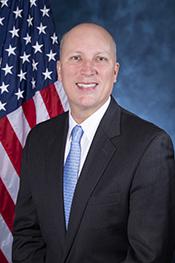
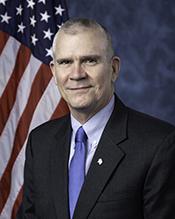
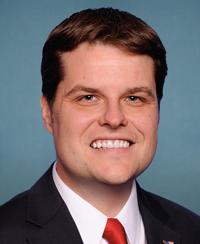
Sponsors and Cosponsors of HR 1897



Latest Bills
TRAPS Act
Bill HR 4936September 18, 2026
Apples to Apples Comparison Act of 2025
Bill HR 4093September 18, 2026
American Lending Fairness Act of 2026
Bill HR 7866September 18, 2026
Civil Investigative Demand Reform Act of 2025
Bill HR 1653September 18, 2026
American Reserve Modernization Act of 2026
Bill HR 8957September 18, 2026
Preventive Health Savings Act
Bill HR 4464September 18, 2026
PEARL Act
Bill HR 9327September 18, 2026
Medically Tailored Home-Delivered Meals Program Pilot Act
Bill HR 5439September 18, 2026
To designate the facility of the United States Postal Service located at 117 West Lovett Street in Charlotte, Michigan, as the "Francis C. Flaherty Post Office Building".
Bill HR 9570September 18, 2026
To designate the facility of the United States Postal Service located at 1019 Avenue H in Fort Madison, Iowa, as the "Martin L. Graber Post Office".
Bill HR 4707September 18, 2026