0
0
0
BID Act of 2023
12/15/2023, 3:55 PM
Summary of Bill HR 1557
Bill 118 HR 1557, also known as the BID Act of 2023, is a piece of legislation introduced in the US Congress. The purpose of this bill is to establish a program to provide funding and support for Business Improvement Districts (BIDs) across the country.
BIDs are special districts in which property owners come together to fund and manage improvements and services in their area, such as maintenance, security, and marketing. The BID Act of 2023 aims to promote economic development and revitalization in communities by providing federal grants to support the establishment and operation of BIDs.
The bill outlines the eligibility criteria for BIDs to receive funding, including requirements for governance, transparency, and accountability. It also establishes a competitive grant program to award funds to BIDs that demonstrate a clear plan for improving their district and benefiting the local economy. Additionally, the BID Act of 2023 includes provisions for technical assistance and training to help BIDs effectively manage their operations and achieve their goals. The bill emphasizes the importance of collaboration between BIDs, local governments, and other stakeholders to ensure the success of these districts. Overall, the BID Act of 2023 seeks to support the growth and sustainability of BIDs as a tool for community development and economic prosperity. It aims to empower local businesses and property owners to work together to enhance the quality of life in their neighborhoods and drive economic growth.
BIDs are special districts in which property owners come together to fund and manage improvements and services in their area, such as maintenance, security, and marketing. The BID Act of 2023 aims to promote economic development and revitalization in communities by providing federal grants to support the establishment and operation of BIDs.
The bill outlines the eligibility criteria for BIDs to receive funding, including requirements for governance, transparency, and accountability. It also establishes a competitive grant program to award funds to BIDs that demonstrate a clear plan for improving their district and benefiting the local economy. Additionally, the BID Act of 2023 includes provisions for technical assistance and training to help BIDs effectively manage their operations and achieve their goals. The bill emphasizes the importance of collaboration between BIDs, local governments, and other stakeholders to ensure the success of these districts. Overall, the BID Act of 2023 seeks to support the growth and sustainability of BIDs as a tool for community development and economic prosperity. It aims to empower local businesses and property owners to work together to enhance the quality of life in their neighborhoods and drive economic growth.
Congressional Summary of HR 1557
Better Interoperability for Devices Act of 2023 or the BID Act of 2023
This bill requires the Food and Drug Administration to report on the interoperability of medical devices, including associated standards, data, and costs.
Read the Full Bill
Current Status of Bill HR 1557
Bill HR 1557 is currently in the status of Bill Introduced since March 10, 2023. Bill HR 1557 was introduced during Congress 118 and was introduced to the House on March 10, 2023. Bill HR 1557's most recent activity was Referred to the Subcommittee on Health. as of March 17, 2023
Bipartisan Support of Bill HR 1557
Total Number of Sponsors
1Democrat Sponsors
0Republican Sponsors
1Unaffiliated Sponsors
0Total Number of Cosponsors
10Democrat Cosponsors
6Republican Cosponsors
4Unaffiliated Cosponsors
0Policy Area and Potential Impact of Bill HR 1557
Primary Policy Focus
Environmental ProtectionAlternate Title(s) of Bill HR 1557
BID Act of 2023
BID Act of 2023
Better Interoperability for Devices Act of 2023
To require the Secretary of Health and Human Services to submit a report on the interoperability of medical devices.
Comments
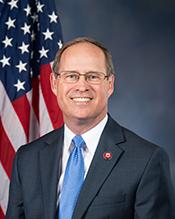
Sponsors and Cosponsors of HR 1557





Latest Bills
TRAPS Act
Bill HR 4936September 18, 2026
Apples to Apples Comparison Act of 2025
Bill HR 4093September 18, 2026
American Lending Fairness Act of 2026
Bill HR 7866September 18, 2026
Civil Investigative Demand Reform Act of 2025
Bill HR 1653September 18, 2026
American Reserve Modernization Act of 2026
Bill HR 8957September 18, 2026
Preventive Health Savings Act
Bill HR 4464September 18, 2026
PEARL Act
Bill HR 9327September 18, 2026
Medically Tailored Home-Delivered Meals Program Pilot Act
Bill HR 5439September 18, 2026
To designate the facility of the United States Postal Service located at 117 West Lovett Street in Charlotte, Michigan, as the "Francis C. Flaherty Post Office Building".
Bill HR 9570September 18, 2026
To designate the facility of the United States Postal Service located at 1019 Avenue H in Fort Madison, Iowa, as the "Martin L. Graber Post Office".
Bill HR 4707September 18, 2026
Lower Energy Costs Act
Bill S 947December 15, 2023
Transparency, Accountability, Permitting, and Production of American Resources Act
Bill HR 1335December 15, 2023
Lower Energy Costs Act
Bill HR 1December 15, 2023