0
0
0
End Dark Money Act
12/15/2023, 3:53 PM
Summary of Bill HR 142
Bill 118 hr 142, also known as the End Dark Money Act, is a piece of legislation currently being considered by the US Congress. The main goal of this bill is to increase transparency in political campaign financing by requiring organizations that spend money on political advertisements to disclose their donors.
The End Dark Money Act would require any organization that spends more than $10,000 on political advertisements to disclose the names of donors who contribute more than $1,000. This information would then be made publicly available on a searchable database maintained by the Federal Election Commission.
Proponents of the bill argue that increased transparency in campaign financing is essential for maintaining the integrity of the democratic process. By shining a light on the sources of funding for political advertisements, voters can make more informed decisions about the messages they are being exposed to. Opponents of the bill, however, argue that it could have a chilling effect on free speech by discouraging donors from contributing to political causes out of fear of public backlash. They also argue that the bill could be overly burdensome for smaller organizations that may not have the resources to comply with the disclosure requirements. Overall, the End Dark Money Act is a controversial piece of legislation that seeks to address the issue of undisclosed political spending. It remains to be seen whether or not it will garner enough support in Congress to become law.
The End Dark Money Act would require any organization that spends more than $10,000 on political advertisements to disclose the names of donors who contribute more than $1,000. This information would then be made publicly available on a searchable database maintained by the Federal Election Commission.
Proponents of the bill argue that increased transparency in campaign financing is essential for maintaining the integrity of the democratic process. By shining a light on the sources of funding for political advertisements, voters can make more informed decisions about the messages they are being exposed to. Opponents of the bill, however, argue that it could have a chilling effect on free speech by discouraging donors from contributing to political causes out of fear of public backlash. They also argue that the bill could be overly burdensome for smaller organizations that may not have the resources to comply with the disclosure requirements. Overall, the End Dark Money Act is a controversial piece of legislation that seeks to address the issue of undisclosed political spending. It remains to be seen whether or not it will garner enough support in Congress to become law.
Congressional Summary of HR 142
End Dark Money Act
This bill repeals in FY2023 the restriction on the use of funds by the Internal Revenue Service to issue any regulation or guidance relating to the standard for determining whether certain nonprofit civic organizations are being operated exclusively for the promotion of social welfare.Read the Full Bill
Current Status of Bill HR 142
Bill HR 142 is currently in the status of Bill Introduced since January 9, 2023. Bill HR 142 was introduced during Congress 118 and was introduced to the House on January 9, 2023. Bill HR 142's most recent activity was Referred to the House Committee on Ways and Means. as of January 9, 2023
Bipartisan Support of Bill HR 142
Total Number of Sponsors
1Democrat Sponsors
1Republican Sponsors
0Unaffiliated Sponsors
0Total Number of Cosponsors
24Democrat Cosponsors
24Republican Cosponsors
0Unaffiliated Cosponsors
0Policy Area and Potential Impact of Bill HR 142
Primary Policy Focus
TaxationPotential Impact Areas
- Administrative law and regulatory procedures
- Department of the Treasury
- Executive agency funding and structure
- Internal Revenue Service (IRS)
- Public participation and lobbying
- Tax-exempt organizations
Alternate Title(s) of Bill HR 142
End Dark Money Act
End Dark Money Act
To repeal the restriction on the use of funds by the Internal Revenue Service to bring transparency to the political activity of certain nonprofit organizations.
Comments
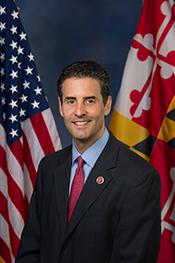
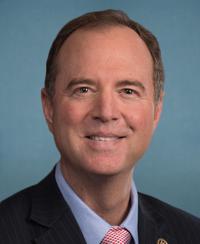
Sponsors and Cosponsors of HR 142




Latest Bills
TRAPS Act
Bill HR 4936September 18, 2026
Apples to Apples Comparison Act of 2025
Bill HR 4093September 18, 2026
American Lending Fairness Act of 2026
Bill HR 7866September 18, 2026
Civil Investigative Demand Reform Act of 2025
Bill HR 1653September 18, 2026
American Reserve Modernization Act of 2026
Bill HR 8957September 18, 2026
Preventive Health Savings Act
Bill HR 4464September 18, 2026
PEARL Act
Bill HR 9327September 18, 2026
Medically Tailored Home-Delivered Meals Program Pilot Act
Bill HR 5439September 18, 2026
To designate the facility of the United States Postal Service located at 117 West Lovett Street in Charlotte, Michigan, as the "Francis C. Flaherty Post Office Building".
Bill HR 9570September 18, 2026
To designate the facility of the United States Postal Service located at 1019 Avenue H in Fort Madison, Iowa, as the "Martin L. Graber Post Office".
Bill HR 4707September 18, 2026