0
0
0
Medicaid Dental Benefit Act of 2023
12/12/2023, 8:15 AM
Summary of Bill HR 1342
Bill 118 HR 1342, also known as the Medicaid Dental Benefit Act of 2023, aims to expand dental coverage for Medicaid recipients in the United States. The bill proposes to provide comprehensive dental benefits to all Medicaid beneficiaries, including children, pregnant women, and adults.
Under the proposed legislation, Medicaid would cover a wide range of dental services, including preventive care such as cleanings and exams, as well as restorative treatments like fillings and extractions. The bill also includes coverage for more advanced procedures such as root canals, crowns, and dentures.
The goal of the Medicaid Dental Benefit Act is to improve access to dental care for low-income individuals and families who may otherwise struggle to afford necessary treatments. By expanding Medicaid coverage to include comprehensive dental benefits, the bill aims to reduce oral health disparities and improve overall health outcomes for Medicaid recipients. Supporters of the bill argue that oral health is an important component of overall health and well-being, and that access to dental care should be considered a basic human right. They believe that providing comprehensive dental benefits through Medicaid will help to address the unmet dental needs of millions of Americans who currently lack access to affordable care. Opponents of the bill may argue that expanding Medicaid coverage to include dental benefits could be costly for the government and may lead to increased taxes or cuts to other programs. They may also raise concerns about the potential for fraud and abuse within the Medicaid system. Overall, the Medicaid Dental Benefit Act of 2023 represents a significant effort to improve access to dental care for low-income individuals and families in the United States. If passed, the bill has the potential to make a positive impact on the oral health and overall well-being of Medicaid beneficiaries across the country.
Under the proposed legislation, Medicaid would cover a wide range of dental services, including preventive care such as cleanings and exams, as well as restorative treatments like fillings and extractions. The bill also includes coverage for more advanced procedures such as root canals, crowns, and dentures.
The goal of the Medicaid Dental Benefit Act is to improve access to dental care for low-income individuals and families who may otherwise struggle to afford necessary treatments. By expanding Medicaid coverage to include comprehensive dental benefits, the bill aims to reduce oral health disparities and improve overall health outcomes for Medicaid recipients. Supporters of the bill argue that oral health is an important component of overall health and well-being, and that access to dental care should be considered a basic human right. They believe that providing comprehensive dental benefits through Medicaid will help to address the unmet dental needs of millions of Americans who currently lack access to affordable care. Opponents of the bill may argue that expanding Medicaid coverage to include dental benefits could be costly for the government and may lead to increased taxes or cuts to other programs. They may also raise concerns about the potential for fraud and abuse within the Medicaid system. Overall, the Medicaid Dental Benefit Act of 2023 represents a significant effort to improve access to dental care for low-income individuals and families in the United States. If passed, the bill has the potential to make a positive impact on the oral health and overall well-being of Medicaid beneficiaries across the country.
Congressional Summary of HR 1342
Medicaid Dental Benefit Act of 2023
This bill requires state Medicaid programs to cover dental and oral health services for adults. It also increases the Federal Medical Assistance Percentage (i.e., federal matching rate) for such services.
The Centers for Medicare & Medicaid Services must develop oral health quality and equity measures and conduct outreach relating to such coverage. Additionally, the Medicaid and Children's Health Insurance Program (CHIP) Payment and Access Commission must report on specified information relating to adult oral health care.
Read the Full Bill
Current Status of Bill HR 1342
Bill HR 1342 is currently in the status of Bill Introduced since March 3, 2023. Bill HR 1342 was introduced during Congress 118 and was introduced to the House on March 3, 2023. Bill HR 1342's most recent activity was Referred to the Subcommittee on Health. as of March 10, 2023
Bipartisan Support of Bill HR 1342
Total Number of Sponsors
1Democrat Sponsors
1Republican Sponsors
0Unaffiliated Sponsors
0Total Number of Cosponsors
42Democrat Cosponsors
42Republican Cosponsors
0Unaffiliated Cosponsors
0Policy Area and Potential Impact of Bill HR 1342
Primary Policy Focus
HealthPotential Impact Areas
- Congressional oversight
- Dental care
- Government information and archives
- Health care quality
- Health promotion and preventive care
- Intergovernmental relations
- Medicaid
- Poverty and welfare assistance
- State and local government operations
- U.S. territories and protectorates
Alternate Title(s) of Bill HR 1342
Medicaid Dental Benefit Act of 2023
Medicaid Dental Benefit Act of 2023
To amend title XIX of the Social Security Act to improve coverage of dental and oral health services for adults under Medicaid, and for other purposes.
Comments
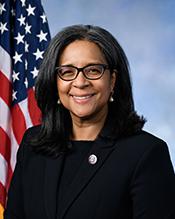
Sponsors and Cosponsors of HR 1342





Latest Bills
TRAPS Act
Bill HR 4936September 18, 2026
Apples to Apples Comparison Act of 2025
Bill HR 4093September 18, 2026
American Lending Fairness Act of 2026
Bill HR 7866September 18, 2026
Civil Investigative Demand Reform Act of 2025
Bill HR 1653September 18, 2026
American Reserve Modernization Act of 2026
Bill HR 8957September 18, 2026
Preventive Health Savings Act
Bill HR 4464September 18, 2026
PEARL Act
Bill HR 9327September 18, 2026
Medically Tailored Home-Delivered Meals Program Pilot Act
Bill HR 5439September 18, 2026
To designate the facility of the United States Postal Service located at 117 West Lovett Street in Charlotte, Michigan, as the "Francis C. Flaherty Post Office Building".
Bill HR 9570September 18, 2026
To designate the facility of the United States Postal Service located at 1019 Avenue H in Fort Madison, Iowa, as the "Martin L. Graber Post Office".
Bill HR 4707September 18, 2026
Medicaid Dental Benefit Act of 2023
Bill S 570December 15, 2023