0
0
0
Thirty-Two Hour Workweek Act
12/15/2023, 3:55 PM
Summary of Bill HR 1332
Bill 118 hr 1332, also known as the Thirty-Two Hour Workweek Act, is a piece of legislation introduced in the US Congress. The main goal of this bill is to reduce the standard workweek from 40 hours to 32 hours for employees across the country.
The bill proposes that employers must adjust their employees' schedules to ensure that they are not required to work more than 32 hours in a week. This would apply to both full-time and part-time employees, with the aim of promoting a better work-life balance and reducing the risk of burnout.
Supporters of the bill argue that a shorter workweek would lead to increased productivity, improved mental health, and more time for employees to spend with their families and pursue personal interests. They also believe that it would create more job opportunities, as companies would need to hire additional staff to make up for the reduced hours worked by each employee. Opponents of the bill, however, raise concerns about the potential impact on businesses, particularly small businesses that may struggle to afford the additional staffing costs. They also argue that a shorter workweek could lead to decreased competitiveness in the global market and hinder economic growth. Overall, the Thirty-Two Hour Workweek Act is a controversial piece of legislation that has sparked debate among lawmakers, businesses, and workers. Its fate in Congress remains uncertain as stakeholders continue to weigh the potential benefits and drawbacks of implementing a shorter standard workweek.
The bill proposes that employers must adjust their employees' schedules to ensure that they are not required to work more than 32 hours in a week. This would apply to both full-time and part-time employees, with the aim of promoting a better work-life balance and reducing the risk of burnout.
Supporters of the bill argue that a shorter workweek would lead to increased productivity, improved mental health, and more time for employees to spend with their families and pursue personal interests. They also believe that it would create more job opportunities, as companies would need to hire additional staff to make up for the reduced hours worked by each employee. Opponents of the bill, however, raise concerns about the potential impact on businesses, particularly small businesses that may struggle to afford the additional staffing costs. They also argue that a shorter workweek could lead to decreased competitiveness in the global market and hinder economic growth. Overall, the Thirty-Two Hour Workweek Act is a controversial piece of legislation that has sparked debate among lawmakers, businesses, and workers. Its fate in Congress remains uncertain as stakeholders continue to weigh the potential benefits and drawbacks of implementing a shorter standard workweek.
Congressional Summary of HR 1332
Thirty-Two Hour Workweek Act
This bill shortens the standard workweek under federal law from 40 hours to 32 hours over a three-year phase in period. It also requires specified overtime pay for workdays longer than eight hours.
Read the Full Bill
Current Status of Bill HR 1332
Bill HR 1332 is currently in the status of Bill Introduced since March 1, 2023. Bill HR 1332 was introduced during Congress 118 and was introduced to the House on March 1, 2023. Bill HR 1332's most recent activity was Referred to the House Committee on Education and the Workforce. as of March 1, 2023
Bipartisan Support of Bill HR 1332
Total Number of Sponsors
1Democrat Sponsors
1Republican Sponsors
0Unaffiliated Sponsors
0Total Number of Cosponsors
14Democrat Cosponsors
14Republican Cosponsors
0Unaffiliated Cosponsors
0Policy Area and Potential Impact of Bill HR 1332
Primary Policy Focus
Labor and EmploymentAlternate Title(s) of Bill HR 1332
Thirty-Two Hour Workweek Act
Thirty-Two Hour Workweek Act
To amend the Fair Labor Standards Act of 1938 to reduce the standard workweek from 40 hours per week to 32 hours per week, and for other purposes.
Comments
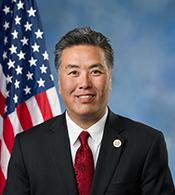
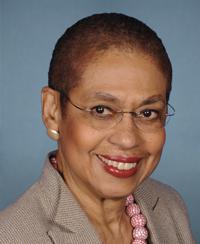
Sponsors and Cosponsors of HR 1332




Latest Bills
TRAPS Act
Bill HR 4936September 18, 2026
Apples to Apples Comparison Act of 2025
Bill HR 4093September 18, 2026
American Lending Fairness Act of 2026
Bill HR 7866September 18, 2026
Civil Investigative Demand Reform Act of 2025
Bill HR 1653September 18, 2026
American Reserve Modernization Act of 2026
Bill HR 8957September 18, 2026
Preventive Health Savings Act
Bill HR 4464September 18, 2026
PEARL Act
Bill HR 9327September 18, 2026
Medically Tailored Home-Delivered Meals Program Pilot Act
Bill HR 5439September 18, 2026
To designate the facility of the United States Postal Service located at 117 West Lovett Street in Charlotte, Michigan, as the "Francis C. Flaherty Post Office Building".
Bill HR 9570September 18, 2026
To designate the facility of the United States Postal Service located at 1019 Avenue H in Fort Madison, Iowa, as the "Martin L. Graber Post Office".
Bill HR 4707September 18, 2026
Thirty-Two Hour Workweek Act
Bill S 3947April 10, 2024